Category

Auto

Category

In Australia’s heat, engines work hard and get hotter than many drivers think. When oil stays between 180-210°F, it works well. But, if it gets hotter, it can break down and lose its protective qualities.

An oil cooler upgrade is smart, not just for looks. It’s a special heat exchanger for oil, not the same as the radiator. Its job is to cool the oil, preventing overheating and wear on engine parts.

Some signs of needing an oil cooler upgrade are slow and quiet, like oil getting hotter during climbs. Others are urgent. If oil mixes with coolant, it can look milky or frothy. This is a big warning sign.

This guide helps you spot normal signs versus urgent ones. It also talks about driving patterns that increase engine heat. If you tow a caravan, a special oil cooler can keep your engine cool. We’ll look at options in Australia, how to install them, and how to keep them working well.

Key Takeaways

  • Engine oil temperature is healthiest around 180-210°F; sustained heat above that can thin oil and reduce protection.
  • A car oil cooler is a dedicated oil heat exchanger, separate from the radiator, built to control oil heat.
  • Common oil cooler upgrade signs include rising oil temps, heat soak in traffic, and pressure that falls when hot.
  • Milky or frothy oil or coolant can point to oil mixing with coolant and needs fast attention.
  • Hot weather, hills, and towing are common in Australia and can justify an oil cooler upgrade Australia drivers can rely on.
  • A towing oil cooler can help prevent engine overheating and improve oil pressure stability under load.

What an Engine Oil Cooler Does and Why It Matters

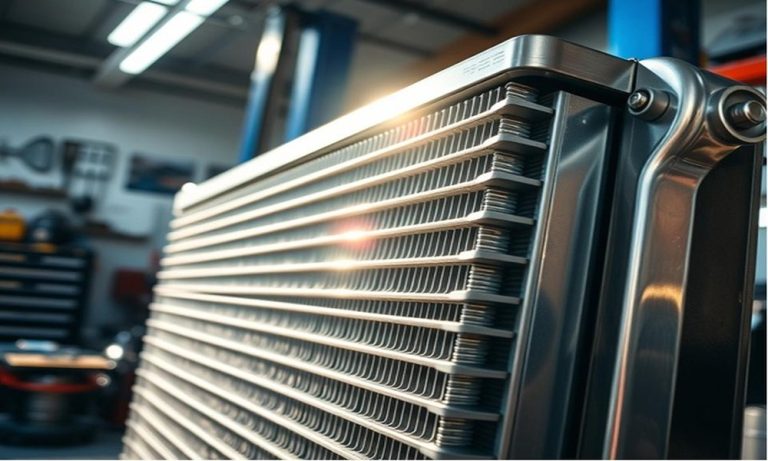
So, what does a car oil cooler do? It’s like a small radiator for engine oil. It’s usually smaller than the main radiator. Many cars in Australia already have one, so the question is often about size, not if you need one.

The main radiator handles coolant and engine temperature. The oil cooler focuses on oil temperature. This is because oil carries heat away from engine parts.

Oil works best at 180-210°F. If it gets too hot, it can break down. This makes the oil thinner and less protective.

Hot oil goes through the cooler, where air or coolant takes out heat. Then, it goes back to the engine. Some coolers have a thermostat to control temperature.

Oil temperature range (°F)

What’s happening in the oil

What you may notice in the car

How a cooler or oil cooler thermostat helps

160-179

Oil is warming up; flow improves but may be thick

Slower response and higher drag in cold starts or short trips

Thermostat can stay closed to speed warm-up and avoid over-cooling

180-210

Target zone for protection and stable lubrication

Stable pressure and consistent feel under normal driving

Supports steady oil temperature control without chasing extremes

211-250

Heat load rises; thinning begins under stress

Pressure may dip at idle after hard driving

Extra cooler capacity can pull temps back by roughly 30-50°F

251-275+

Higher risk of oil viscosity breakdown and faster degradation

More obvious oil pressure loss and higher wear risk

Thermostat fully opens; a larger cooler and better airflow become critical

Common Signs a Car Oil Cooler Upgrade Is Needed

Most drivers don’t need extra oil cooling for daily driving. This is because cars are made for average use. But, if you always hit the same high temperature, a cooler upgrade might help.

A high oil temperature reading when driving hard is a clear sign. You might see this on a gauge, OBD readout, or data screen. If the temperature goes up fast and stays high, your oil cooler might not be enough.

High oil temperature can also mean your car overheats when working hard. This can make the oil thinner. Over time, this can make your engine feel unstable in tough conditions.

Notice how your car acts when it’s hot. If it loses power, idles rough, or uses more fuel after hard driving, it might be due to hot oil. These signs suggest your oil isn’t cooling well, which could be fixed with a cooler upgrade.

For many, the test is on a track day. A few laps can make the oil too hot. More cooling can help keep the oil at a safe temperature.

Driving with a trailer can also push the limits. Towing can make the car overheat, which is common in hot weather. If this happens often, it might mean you need a bigger oil cooler.

Observable sign

When it often appears

What it suggests about cooling

High oil temperature that stays elevated

Long climbs, highway cruising in heat, sand driving

Current oil cooler capacity is near its limit during sustained load

Overheating under load with a heat-soaked feel

Heavy throttle, steep grades, stop-start after a hard pull

Oil heat is adding overall thermal stress even if coolant looks “okay”

Power drop, rough idle, or higher fuel use after hard driving

After repeated acceleration or extended high RPM

Oil may be thinning, reducing lubrication stability and efficiency

Track day oil temps climb quickly and recover slowly

Back-to-back laps or long sessions

More oil cooler surface area and airflow are needed to shed heat faster

Towing overheating on predictable routes

Boat, camper, or horse trailer on hot days

Real-world load exceeds the factory cooling target for average driving

Red-Flag Symptoms of Oil Cooler Failure That Require Immediate Action

Some oil cooler failure symptoms can quickly lead to engine damage. If you notice anything odd while driving, stop right away. Don’t wait until you get home.

Oil and coolant mixing is a big problem. It shows up as milky oil on the dipstick or a frothy film under the oil cap.

This issue can also cause coolant contamination in the reservoir. It might look like brown sludge or an oily sheen. An internal crack in the oil-to-water cooler can let fluids mix and spread through both systems.

External leaks are also a concern. An oil cooler leak can start as dampness around fittings. It can turn into puddles under the vehicle after a short park.

Look for dripping oil near hoses or coolant seepage around the cooler body and seals. Either one can drop levels and cause overheating, which is a big problem on Australian highways.

Low flow is another warning sign. If the oil pressure warning light flickers, stays on, or comes back on after a restart, it might mean the cooler is failing. This can affect pressure where it counts.

Low pressure and rising temps are a bad mix. Hot, thinned oil can’t protect bearings and turbo parts like it should. So, don’t ignore these symptoms as just “normal heat.”

Red-flag sign

What you may notice

Why it’s urgent

oil and coolant mixing

Sweet smell with oily residue, unstable levels in both systems

Lubrication breaks down and cooling efficiency drops at the same time

milky oil

Tan or coffee-colored sludge on dipstick or under oil cap

Moisture and coolant in oil can attack bearings and metal surfaces fast

coolant contamination

Oily sheen in overflow bottle, brown film, gunk on reservoir walls

Contaminated coolant can’t move heat well and may damage hoses and seals

oil pressure warning light

Light on during idle, cornering, or sustained cruising

Low pressure can starve critical parts, specially at highway RPM

oil cooler leak

Wet fittings, drops on undertray, fresh spots on the driveway

Rapid fluid loss can lead to overheating and pressure loss without much warning

Driving Conditions That Increase Oil Heat and Justify an Upgrade

When the engine works hard but cooling airflow is low, oil temperature goes up fast. City driving, with lots of stops and starts, can trap heat. This makes the radiator fans work a lot, keeping the engine hot.

In Australia, the heat is already high before you even start driving. This makes it harder for the engine to cool down. When the oil gets too hot, it can lose its strength and pressure.

Towing a trailer makes the engine work even harder. This is because the trailer adds weight and makes the engine work harder on hills. A towing oil cooler can help keep the engine cool when towing.

Driving fast on a track can also make the oil temperature rise. A special oil cooler is needed for this. It helps keep the oil cool during long, fast drives.

For those who drive heavy-duty, keeping the oil at a stable temperature is key. Oil-to-water coolers work well for this. They can adjust quickly to changes in load. Oil-to-air coolers are good when there’s clean air to cool the oil.

Driving condition

Why oil heat rises

What drivers often notice

Upgrade angle

Stop-and-go traffic overheating

Low airflow and repeated heat soak at low speed

Hot smell after parking, temp gauge creeping higher in queues

Focus on airflow, ducting, and a cooler that works at low road speed

Towing oil cooler scenarios

High load for long periods, extra heat from sustained throttle

More frequent downshifts, higher temps on hills, fan running often

Choose capacity for trailer weight and long climbs, not short bursts

Track day oil cooler needs

Sustained high RPM, higher oil shear, little recovery time

Temps rising session to session, oil feeling “tired” sooner

Prioritize a high-flow core and secure mounting for vibration and speed

High ambient temperature driving

Less cooling margin because intake air and coolant start hotter

Temps rise sooner during errands, harder recovery after a climb

Size the system for worst-day conditions, not average weather

Australia hot climate driving

Extended heat exposure plus long distances at steady load

Higher temps during summer highway runs and regional travel

Pair cooler choice with oil grade and service intervals suited to heat

Heavy-duty use

Repeated load cycles, high torque demand, and longer operating hours

Less stable oil pressure when hot, more heat after hard pulls

Consider oil-to-water for fast control, or oil-to-air if airflow is reliable

Oil Cooler Types and How to Choose the Right Setup

When comparing oil-to-air vs oil-to-water coolers, think about how they move heat. Oil-to-water coolers use engine coolant, so they warm up fast and stay steady under load. But, a failure can mix oil and coolant, which is dangerous.

Oil-to-air coolers work like small radiators, using air to shed heat. They’re easy to add to cars and fit many models. They work well as long as they get clean, steady air.

Control hardware is key. A thermostatic bypass valve stops over-cooling in cool mornings or light driving. It lets oil flow around the cooler until it’s warm enough, then mixes it for safe oil temperatures.

Core design is a big choice: plate vs tube-and-fin oil coolers. Plate cores cool well in tight spaces and handle pressure. Tube-and-fin designs are lighter but need more space for the same cooling.

Size and flow path affect the cooler’s performance. A 10 row 30 row oil cooler choice depends on heat needs and space. More passes in the core mean better cooling before returning to the pan.

Decision point

What to look for

Good fit for

Trade-off to plan around

oil-to-air vs oil-to-water cooler

Available airflow vs access to coolant lines; temperature stability needs

Oil-to-air for most aftermarket upgrades; oil-to-water for tight packaging and steady temps under heavy load

Oil-to-water adds mixing risk if a leak occurs; oil-to-air depends heavily on airflow quality

plate vs tube-and-fin oil cooler

Core density, pressure tolerance, and space efficiency

Plate for high heat in limited space; tube-and-fin for strong airflow and lighter builds

Plate can cost more; tube-and-fin may need a larger face area for the same result

10 row 30 row oil cooler

Oil capacity, power output, radiator size, and mounting clearance

10 row for mild street use; 30 row for towing, track work, or high ambient temps

Bigger isn’t better if it blocks the radiator or sits in low airflow

single pass double pass triple pass

How long oil stays in the core and how the lines will route

Single pass for low restriction; double/triple pass for more heat drop in the same footprint

More passes can add restriction and may call for careful hose sizing and routing

thermostatic bypass valve

Setpoint range and whether it’s built into the sandwich plate or inline

Street cars that see mixed weather; turbo or performance builds that need stable oil temps

Needs space to mount and service; adds more joints that must be sealed well

To pick the right oil cooler, match it to your car’s system. Consider oil capacity, engine power, and radiator size first. Then think about airflow, mounting space, and your driving habits.

Choose the biggest cooler that fits without blocking airflow. Make sure there’s room for hose bends and a thermostat module. This detail can make a single pass double pass triple pass layout easy or hard to set up.

Upgrade Planning and Installation Factors That Affect Results

Before you install a car oil cooler, think of airflow and plumbing as one system. Place the core at the front, between the radiator and grille. This spot has steady air flow. Also, make sure it doesn’t block other heat exchangers.

Line length is more important than many think. Mount the cooler close to the filter for clean airflow. Shorter lines mean less pressure drop and fewer problems.

Most installs start by removing the old oil filter. Then, oil is redirected to the cooler and back. A vehicle-matched sandwich plate adapter is a good choice when space is tight. It works well if the fittings sit square and hoses don’t rub on sharp edges.

When space is cramped, an oil filter relocation kit can help. Move the filter to a reachable spot. This way, oil flows to the cooler, then to the filter, and back to the engine. This layout reduces clutter and keeps hose runs deliberate.

Planning factor

What to check

Why it changes results

Airflow zone

Clear path between grille and radiator; no contact with A/C condenser lines

Better heat rejection at speed and less heat soak in slow traffic

Hose length and bends

Minimize total length; avoid tight turns; protect near exhaust and steering

Lower restriction, steadier oil pressure, and fewer spots that can weep

Adapter choice

Correct thread pitch and gasket face; adequate clearance for fittings

Proper sealing and fewer surprises during filter changes

Temperature control

Add a thermostat or bypass valve if the vehicle sees cool mornings

Helps prevent overcooling and supports stable warm-up behavior

To avoid oil leaks, treat every joint like it will be tested by vibration and heat cycles. Use the right tools, including flare nut or line wrenches on fittings. Re-check clamps and threads after the first heat soak. If the layout requires cutting, drilling, or complex brackets, the owner’s manual and a qualified professional can help keep the setup safe and compliant for Australian road use.

Maintenance, Lifespan Expectations, and When Replacement Makes Sense

There’s no set time for an oil cooler change. But, most last about 100,000 to 150,000 miles. In Australia, long drives, towing, and hot weather can make oil hotter and shorten its life.

Heavy-duty and performance driving also adds heat and pressure. This can make parts wear out faster.

Start with simple oil cooler maintenance tips for all year. Check for leaks around the cooler core, hoses, and fittings. Look for fresh oil mist or damp spots.

Also, keep an eye on oil and coolant levels. Any unexplained drop is a warning sign.

Even before leaks show, coolers can get clogged, corroded, or damaged. This can reduce heat transfer and restrict oil flow. It may cause oil temps to rise and low oil pressure when the engine is under load.

Using good fluids helps. Synthetic oil sludge prevention is a big reason many drivers choose quality full synthetic oil.

If the cooler is leaking, clogged, or tied to overheating, replace it right away. This is true even if it doesn’t seem like it’s time yet. After a major overheating event, like a blown head gasket, contamination and stress can shorten cooler life.

In such cases, many shops will flush the cooling system. They will then check temps and pressure. This keeps the engine safe in Australia’s heat.


Buying a car is one of the biggest financial decisions most people make, yet the process is often stressful, time-consuming, and confusing. This is exactly why the role of an Auto Broker has become increasingly important. Instead of navigating dealerships, negotiating prices, and handling paperwork alone, buyers can rely on a professional who simplifies the entire experience.

In today’s fast-paced world, convenience and efficiency matter more than ever—and that’s where the true value of an Auto Broker shines.

What Is an Auto Broker and Why It Matters

An Auto Broker is a specialist who represents the buyer rather than the dealership. Their primary goal is to secure the best possible vehicle and deal based on the client’s needs.

Unlike traditional salespeople, brokers work independently and focus on delivering value to the customer. They handle every stage of the process, including:

  • Vehicle search and selection
  • Market comparison
  • Price negotiation
  • Contract handling
  • Delivery coordination

This makes the buying process smoother, faster, and far less stressful.

The Smart Way to Buy a Car

Working with an Auto Broker transforms how people purchase vehicles. Instead of spending hours researching and visiting dealerships, clients can delegate everything to a professional.

Here’s how the process typically works:

Step 1: Consultation

The broker starts by understanding your needs, preferences, and budget.

Step 2: Vehicle Sourcing

Using industry connections, the Auto Broker searches for the best available options across multiple dealers and sources.

Step 3: Negotiation

One of the biggest advantages is expert negotiation. Brokers know market pricing and can often secure better deals than individual buyers.

Step 4: Transaction Management

From paperwork to final delivery, everything is handled for you.

This streamlined approach saves time and ensures you get maximum value for your money.

Why More People Are Choosing Auto Brokers

The rise of the Auto Broker model is driven by changing customer expectations. Buyers no longer want to deal with complicated processes or aggressive sales tactics.

Here are the main reasons people prefer brokers:

  • Convenience – no dealership visits required
  • Expertise – access to industry knowledge
  • Savings – better deals through negotiation
  • Transparency – clear and straightforward pricing

This shift is especially noticeable in competitive automotive markets, where efficiency is key.

Benefits Beyond Price

While saving money is important, the advantages of using an Auto Broker go far beyond pricing.

Time Efficiency

Finding the right car can take days or even weeks. A broker can reduce this to a matter of hours.

Reduced Stress

Negotiations and paperwork can be overwhelming. Brokers handle these tasks professionally.

Access to More Options

Because of their network, brokers can find vehicles that are not always publicly listed.

Personalized Service

Every client receives tailored recommendations based on their exact needs.

Building a Career as an Auto Broker

The growing demand for Auto Broker services has created exciting opportunities for entrepreneurs and professionals. If you enjoy working with people, negotiating deals, and understanding market trends, this career path can be highly rewarding.

What You Need to Get Started

  • Knowledge of the automotive industry
  • Understanding of pricing and negotiation
  • Legal licensing (depending on your location)
  • Strong communication skills

Many aspiring brokers choose to learn through structured training programs such as California Dealer Academy, which provide practical insights into launching and growing a brokerage business.

How Auto Brokers Generate Income

A professional Auto Broker earns money through several channels:

  • Commission per vehicle sold
  • Service fees charged to clients
  • Bonuses from dealer partnerships

Because brokers don’t need to maintain inventory, their operating costs are relatively low. This allows for higher profit margins compared to traditional dealerships.

Digital Transformation in Auto Brokering

Technology is reshaping the way an Auto Broker operates. Modern tools allow brokers to work more efficiently and serve clients remotely.

Key trends include:

  • Online vehicle sourcing platforms
  • Digital contracts and signatures
  • AI-powered price comparisons
  • Virtual consultations

Brokers who embrace these tools can scale their business faster and reach a broader audience.

Choosing the Right Auto Broker

If you’re considering using an Auto Broker, it’s important to select the right professional. Look for:

  • Proven experience in the automotive industry
  • Strong client reviews or references
  • Transparent pricing structure
  • Clear communication throughout the process

A reliable broker can make the difference between a stressful purchase and a seamless experience.

The Future of the Auto Broker Industry

As consumer expectations continue to evolve, the demand for Auto Broker services will only grow. Buyers are looking for smarter, faster, and more efficient ways to purchase vehicles, and brokers are perfectly positioned to meet those needs.

The future will likely include even more automation, better data insights, and enhanced customer experiences. However, the human element—trust, negotiation, and personalized service—will remain at the core of this profession.

An Auto Broker is changing the way people buy cars by offering a smarter, more efficient alternative to traditional dealerships. From saving time to securing better deals, the benefits are clear for both buyers and professionals entering the industry.

Whether you’re looking to purchase your next vehicle or start a new career, the world of the Auto Broker offers incredible potential. With the right approach, knowledge, and support from experts like California Dealer Academy, you can take full advantage of this growing market and achieve long-term success.

The drivetrain moves your vehicle forward today. Every car relies on gears to turn wheels. These gears live inside a heavy metal housing. This housing contains a very special thick oil. The oil keeps all moving parts cool now. But the oil must stay inside the box. Differential seals perform this vital task for you. These small parts prevent messy leaks from starting. Asain and Domestic Auto Repair in Wilmington, NC often involves fixing these leaking seals. You should trust T&T Automotive Service for your maintenance needs. Reliable seals ensure the gears stay fully lubricated.

The Essential Function of Sealing Rings

The differential allows wheels to spin at speeds. One wheel turns faster than the other wheel. This happens when the vehicle enters a sharp turn. Gears mesh together under a lot of pressure. Lubrication reduces heat between the metal gear teeth. The seal sits where the axle meets housing. It creates a tight barrier against the outside. Now the oil stays trapped inside the differential. Contaminants like dirt cannot enter the gear system. Sometimes the seal faces extreme heat and friction. High temperatures can cause the rubber to harden. You need quality parts from T&T Automotive Service for safety.

Common Signs of a Failing Seal

You might notice dark spots on the driveway. These puddles often smell like heavy sulfur odors. A leaking seal lets the precious oil escape. The gears will eventually run dry and hot. Now you will hear loud humming or clicking. These noises indicate the metal is grinding away. Sometimes the vibration felt through the floor increases. You should check the axle area for wetness. The moisture suggests a seal has finally cracked. Broken seals lead to very expensive gear failures. Professional shops like T&T Automotive Service identify these issues quickly.

The Impact of Heat and Pressure

Differential fluid works hard under heavy vehicle loads. The oil expands as the temperature rises higher. This creates pressure against the rubber seal lips. The seal must remain flexible to work well. But old rubber becomes brittle and very dry. Dirt from the road wears the surface down. Now the tight bond against the axle breaks. Small gaps allow the fluid to seep out. The gears lose protection against the friction forces. You must replace the seal before damage occurs. This simple fix saves the entire drivetrain assembly.

The Professional Replacement Process

Mechanics must remove the wheels and the axles. This process requires many specialized tools and skills. The old seal is pried out very carefully. Now the technician cleans the metal mounting surface. A new seal is pressed into the housing. The fit must be perfectly flush and straight. Any slight tilt will cause a fresh leak. You want the job done right the first time. Sometimes the fluid is replaced during this service. Fresh oil ensures the new seal stays lubricated. Proper installation keeps your car on the road.

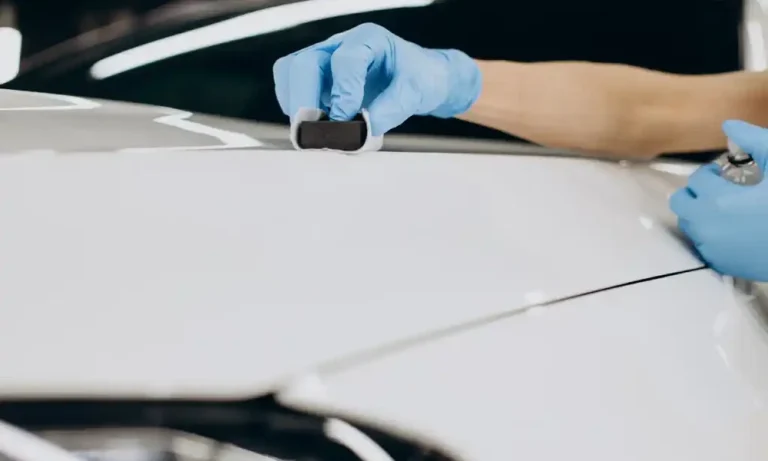
There’s nothing quite as satisfying as the gleam of a newly-bought vehicle. The way it catches the sunlight, the flawless surface, the sense of pride that comes from driving it off the lot. But maintaining that pristine condition can be a challenge, especially when faced with the everyday wear and tear from our Canadian roadways. Fear not, for there is a solution to keep your car looking brand new. Allow me to introduce you to the world of Paint Protection Film.

Introducing SRS Tints – Mississauga’s Leading Car Care Provider

Located at 21 Bradwick Dr #8, Vaughan, SRS Tints is the foremost provider of high-quality car window tinting solutions in Mississauga and Vaughan. But that’s not all. They are also your go-to experts for ceramic coating, vinyl wrapping, and the sought-after paint protection film. With over a decade in the industry and a community of over 30,000 satisfied customers, you can trust SRS Tints to maintain the version of your car you fell in love with. Find out why they are hailed as the best Paint Protection Film installer in Mississauga.

Why Consider Paint Protection Film (PPF) for Your Vehicle?

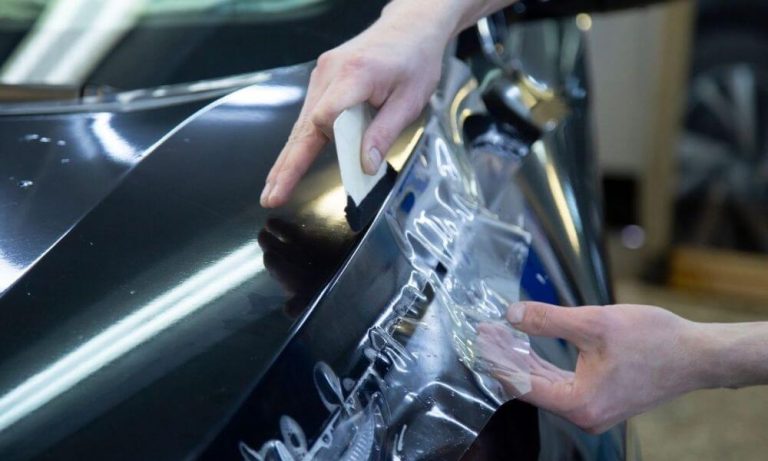
Imagine a shield, an invisible yet robust layer, guarding your car surface against the onslaught of road debris that result in pesky scratches and scuffs. That’s paint protection film for you. This resilient urethane film absorbs impacts to keep your vehicle looking its best. It not only saves the car’s surface from damage but also assists in preserving its value. After all, a well-maintained vehicle fetches a better resale price. Unlock the secret to long-lasting car glossiness and protection with SRS Tints, the expert Paint Protection Film Installers in Mississauga. From a newly-bought ride to a cherished long-time partner on the road, every vehicle deserves the armor of a paint protection film. It’s time to put an end to cosmetic worries and invest in the protection your car needs. Give SRS Tints a call at (905) 766 3367 and get your free quote today. Preserve the brand-new look of your vehicle, and keep it shining bright, despite the many miles to come.

Modern vehicles rely on complex electronic networks to function correctly. Your dashboard screen seems like a simple tablet device. However, the navigation unit connects deeply to the vehicle power grid. Many drivers blame satellites for poor map performance. But the real culprit often hides within the wires. The battery provides the necessary juice for every digital calculation. A weak electrical flow disrupts the global positioning sensors. This connection remains vital for accurate real-time traffic updates. You should monitor your voltage to ensure smooth travels. Understanding this link helps prevent frustrating wrong turns.

The Role of the Battery in Digital Accuracy

The car battery acts as the heart of the machine. It pumps steady electricity to every sensitive computer chip. Digital maps require a very consistent voltage level. Now, a dying battery creates small ripples in power. These tiny fluctuations cause the navigation hardware to reboot. The EAS Tire & Auto can test your battery health. Healthy cells ensure the GPS receiver stays active always. Consistent power keeps the internal clock perfectly synchronized.

Alternator Health Affects Signal Processing Strength

The alternator generates power while the engine runs today. It recharges the battery and runs the electronics. An aging alternator produces electrical noise or interference. This static interferes with delicate satellite signal reception. The navigation system struggles to lock onto overhead satellites. A professional Auto Repair in Littleton, Co identifies these charging faults. Clear power allows the antenna to hear the satellites.

Grounding Issues and Sensor Communication Errors

Electrical circuits must complete a loop to work well. Corrosion on ground wires breaks this essential loop. Navigation units share ground points with other car components. Bad grounding creates phantom glitches in the touch interface. The system might lose its calibration during long trips. But cleaning the contact points restores the digital logic. Small spikes in resistance confuse the position sensors. The EAS Tire & Auto specializes in fixing these connections. Secure wires prevent data loss during high-speed driving. Proper grounding keeps the entire infotainment system very stable.

Hidden Wiring Harness Damage and Blown Fuses

Fuses safeguard pricey equipment from power surges. A blown fuse often disables the GPS. Sometimes the fuse is loose or partially destroyed. Connectivity is sporadic during your regular drive. Damaged wiring harnesses hinder data flow. Colorful insulated copper wires may be eaten by rats. The navigation module loses automobile contact. It will display an error message. Now, the EAS Tire & Auto inspects the hidden wiring. Fresh wires restore the link between sensors and screens.

Conclusion

Your navigation system is a sophisticated piece of technology. It depends entirely on the health of the vehicle. Electrical problems mimic software failures quite often in modern cars. Simple maintenance prevents expensive replacements of the head unit. Keep the electricity flowing to keep your maps accurate. A functional electrical system is the foundation of travel.

The bright sun shines through the glass. You feel the warm breeze on your skin. A working sunroof makes every drive much better. However, a broken relay ruins the peaceful experience quickly. You might hear a clicking sound in the roof. The glass stays shut despite your constant pressing. Now you need professional help for this specific problem. Finding a good technician ensures the roof works again.

Understanding the Sunroof Relay Failure

A relay acts like a small electrical switch. It tells the motor when to move the glass. Sometimes the internal wires wear out over time. The switch gets stuck in the off position. Then the sunroof refuses to slide or tilt open. This issue creates a lot of personal frustration. You expect the car to respond to your touch. But the electrical system has a hidden fault today. The EAS Tire & Auto diagnoses these relay issues. They check the fuses and the wiring paths carefully.

Seeking Quality Electrical Component Care

The interior of your car deserves careful handling. Technicians must remove the headliner to reach parts. Skilled hands prevent damage to the soft fabric ceiling. Now you should choose a team with great patience. Reliable service makes the entire repair process very smooth. You want the car to look perfect afterward too. The Auto Repair in Wheatridge, CO provides excellent interior electrical work. Their experts treat the vehicle with significant personal respect.

The Impact of Quick Relay Replacement

A fast repair saves you from unexpected rain showers. Stuck sunroofs often leak during heavy summer storms. Water damages the seats and the expensive floor carpets. Simple relay swaps take very little time at shops. New parts restore the original factory performance immediately. You will enjoy the open road once more now. The EAS Tire & Auto stocks many different relay types. They fix the problem before the next big storm.

Enhancing the Daily Driving Experience

Fresh air improves the mood of every single passenger. You notice the difference on long highway trips today. Functional sunroofs provide a sense of true freedom. But a dead relay takes that feeling away instantly. Simple electrical fixes keep the car value quite high. Now the cabin feels bright and very spacious again. You appreciate the quiet operation of the new switch. Smooth movement brings back the luxury of the vehicle. The EAS Tire & Auto ensures the glass slides perfectly.

Conclusion

Avoid serious electrical failures with regular checks. Listen for unusual noises during surgery. Dust can jam rails and stress relays. Clean rails relieve motor strain. This basic care extends electrical component life. Avoiding major motor replacements saves money. Mechanical parts move freely with proper lubrication. The sunroof is now reliable on every trip. Professional checks detect minor issues before they worsen. Enjoy the blue sky on your next long commute. Enjoy a well-maintained luxury automobile.

Imagine driving along the stunning shores of Lake Geneva as the sun sets over the Alps, with nothing on your mind except where to stop for the night. That sense of freedom is exactly what motorhome travel is about. But when a light starts flickering or your fridge makes an unusual noise, stress can quickly replace relaxation. This is where Resocamper, your trusted motorhome workshop, steps in, offering the most reliable réparation camping-car Montreux services to keep your journey smooth and worry-free.

Your motorhome is more than just a vehicle-it is your home on wheels. At our specialized garage réparation camping-car Montreux, we provide expert care tailored specifically to leisure vehicles. Whether you are a local resident or exploring the Vaud region, our experienced technicians handle everything from routine maintenance to complex repairs, ensuring your motorhome remains safe, comfortable, and reliable.

Expert Technical Care at Our Atelier Réparation Camping-Car Montreux

When you enter our atelier réparation camping-car Montreux, your vehicle benefits from a combination of technical expertise and meticulous attention to detail. We understand the specific requirements of motorhomes, from the chassis to the living area. Our approach to réparation camping-car Montreux focuses on long-term reliability, transparency, and clear communication, so you always know what is being done and why.

Our mechanics are trained to manage everything from engine maintenance to complex habitation systems. Choosing our réparation camping-car Montreux service means choosing peace of mind and professional care at every stage of your journey.

Specialized Services: Réparation Frigo Camping-Car Montreux and More

Warm drinks and spoiled food can ruin any trip. That is why we offer a dedicated réparation frigo camping-car Montreux service, including expert care for réparation frigo Dometic camping-car. We also recommend regular entretien frigo Dometic camping-car to prevent unexpected breakdowns.

By trusting us with your réparation camping-car Montreux, you ensure your onboard kitchen stays fully functional, even in the most remote destinations.

Stay Cozy with Réparation Chauffage Truma Camping-Car

In colder mountain conditions, heating is essential. Our réparation chauffage Truma camping-car service ensures reliable warmth and safety. Regular entretien chauffage Truma helps extend the life of your system while reducing risks and improving efficiency.

Protecting the Exterior: Carrosserie and Infiltration Repairs

We specialize in réparation carrosserie camping-car, including réparation fibre de verre camping-car and réparation polyester camping-car. To protect your investment, we also provide advanced réparation infiltration camping-car services, detecting and fixing leaks before serious damage occurs.

If structural repairs are needed, we handle complete réparation plancher camping-car and wall restorations to keep your vehicle healthy and durable.

Windows, Roofs, and Accessories

Our services include réparation baie vitrée camping-car, réparation lanterneau camping-car, réparation toit camping-car, and réparation capucine camping-car. We also repair accessories such as awnings, doors, and windshields, including réparation store camping-car and réparation pare-brise camping-car.

Electrical Systems and Connectivity

Modern motorhomes rely heavily on electronics. Our réparation électricité camping-car services cover batteries, solar panels, charging systems, as well as réparation parabole camping-car and réparation antenne camping-car to keep you connected wherever you travel.

Keeping It Pristine: Nettoyage Intérieur Camping-Car Montreux

Our nettoyage intérieur camping-car Montreux goes far beyond standard cleaning. This nettoyage professionnel camping-car service ensures a hygienic and comfortable living space, ideal for seasonal preparation or resale.

Why Choose Resocamper for Réparation Camping-Car Suisse

Although based in Montreux, we are a trusted reference for réparation camping-car Suisse, serving clients throughout Vaud and French-speaking Switzerland. Each réparation camping-car Montreux service reflects our commitment to quality, safety, and long-term reliability.

At Resocamper, mechanical expertise, electrical knowledge, carpentry, and plumbing come together under one roof. Whether you need routine maintenance or a complex repair, our motorhome workshop is here to support your next adventure with confidence.

You already know what a luxury car service in New York City is. What matters now is choosing the right one. I spend time reviewing transportation providers because small gaps in reliability, planning, or driver standards cause real problems when timing and comfort matter. You benefit from clear guidance that helps you avoid last minute stress, missed connections, and inconsistent service.

If you are considering a luxury car service NYC or a chauffeur service NYC, this guide explains how to think about premium transportation in practical terms. I will walk you through what actually matters, how airport transfers should work, and why certain operators stand out in a crowded market.

Why luxury car service matters in New York City

New York City does not forgive poor planning. Traffic patterns change fast, airports stay crowded, and schedules stack tightly. A private car service only works when timing, routing, and driver coordination stay consistent.

Luxury transportation matters because you rely on it to remove friction from your day. You expect the car to arrive on time. You expect the driver to be prepared. You expect the vehicle to be clean, quiet, and comfortable. When those basics fail, the entire experience breaks.

Premium transportation becomes essential for:

  • Executive travel with fixed meeting windows
  • VIP transportation where discretion matters
  • Airport transfers with tight arrival schedules
  • Full day itineraries that require flexibility
  • Events where timing and presentation affect outcomes

How to evaluate a chauffeur service in NYC

I look at structure first. A professional chauffeur service NYC needs systems, not promises. You should think beyond the car itself and focus on how the service operates day to day.

Key areas to evaluate include:

  • Driver vetting and identity checks
  • Dress code and presentation standards
  • Backup vehicle protocols
  • Live dispatch and escalation support
  • Booking clarity and payment security

If these pieces are missing, service quality becomes inconsistent. That inconsistency shows up when you least want it.

What premium transportation NYC should include

Premium transportation NYC is about control. You want predictable service across every ride, whether it is a short transfer or a full day schedule.

A well structured provider offers:

  • Professional drivers trained for city and airport travel
  • A premium fleet with sedans and full size SUVs
  • Clear booking flows with confirmation details
  • Real time coordination during active rides

This level of structure allows you to plan without guessing.

Understanding private and executive car service NYC

Private car service NYC and executive car service NYC share the same core need. You require reliability without constant follow up. Business travel adds an extra layer because timing, discretion, and presentation reflect directly on you.

Executive transportation should support:

  • Conferences and corporate travel
  • Roadshows and investor meetings
  • Client pickups and hosted guests
  • Controlled movement between locations

The right provider understands how to operate quietly and stay punctual across long days.

Black car and VIP transportation expectations

Black car service NYC and VIP transportation NYC demand higher standards. The driver represents you. The vehicle sets the tone before any meeting or event begins.

You should expect:

  • High end vehicles with consistent interior condition
  • Drivers who understand discretion and boundaries
  • Arrival timing that avoids waiting or rushing
  • Clean handoff from curb to destination

Anything less undermines the purpose of booking a premium service.

Airport transfer NYC done the right way

Airport transfer NYC is where most services fail. Delays, missed arrivals, and unclear pickup points create stress fast. A strong airport car service NYC removes those variables through planning and monitoring.

Luxury airport transfer NYC should include:

  • Real time flight tracking
  • Adjustments for early or delayed arrivals
  • Clear meet and greet coordination
  • Direct routing into the city

This approach allows you to land without worrying about what happens next.

JFK, LGA, and Newark airport car service considerations

JFK airport car service, LGA airport car service, and Newark airport car service each require different routing knowledge. Local expertise matters.

You benefit from a provider that understands:

  • Terminal layouts and pickup zones
  • Traffic flow patterns at different times
  • On site coordination and greeters
  • Timing buffers for city entry

These details protect your schedule.

Why Carriving stands out for NYC luxury transportation

Carriving operates with structure and consistency across New York City. They focus on comfort, reliability, and efficiency rather than volume. That approach shows in how their service is designed.

They offer:

  • A premium fleet including luxury sedans and full size SUVs
  • Professional chauffeurs with verified identity and dress standards
  • Airport transfers at JFK, LGA, and EWR with flight monitoring
  • City transfers for short rides or full day schedules

Their booking platform supports advance planning with secure Stripe payments and clear confirmations. Corporate clients benefit from expense reporting, account support, and vendor readiness that simplifies ongoing travel needs.

Carriving also maintains operational safeguards. These include live dispatch support, backup vehicles, compliance documentation, and structured onboarding for drivers. This matters when reliability and control are non negotiable.

How you should decide

I recommend choosing a provider that operates like a transportation partner rather than a ride option. Look for systems, coverage, and consistency. Focus on how the service supports your schedule, not how it markets itself.

When you choose carefully, luxury transportation becomes quiet and dependable. That is the point.

Family days work best when each step feels simple. You pick a place, pack a bag, and move at a pace that suits everyone. I have tested family travel in towns across the UK, and Doncaster stands out when you ride with a steady local team. The Doncaster Taxi operator I use keeps things neat – clear times, safe stops, and routes that flow. If you want a quick feel for the firm I rate, take a minute and skim the basics here: Doncaster Taxi. A calm plan at the start makes all the difference by mid afternoon.

A real Saturday that showed me what matters

We had two adults, two kids, and a pram that folds but still wants space. The morning target was a swim. Then lunch in town. Then a park if the weather held. I booked the first leg the night before and asked for a pickup on level ground. The driver called two minutes ahead. He chose a side road with a high, dry kerb. Doors opened into space. We loaded once and set off without fuss.

At the pool he ignored the flashy entrance with steps and stopped near the door for family changing. The walk was short. The floor was dry. After the swim, rain hit hard for twenty minutes. The driver moved our pickup to a covered corner. Seats stayed dry. Kids stayed cheerful. By the time we reached the cafe, the shower had passed. We ate without a rush and kept our plan. Later, the driver set us down by a park gate with firm paths. No puddle hopping. No push through mud. These are small edges to some. For families, they are the whole day.

Why a taxi beats driving yourself with kids

People think driving gives control. Family days test that idea fast. Car parks fill early. The best bays go first. Ramps and lifts add minutes when hands are full. You count coins for a ticket and watch the time instead of your children. Roads near busy gates tempt people into illegal stops that raise stress. With a Taxi Doncaster team, you set the time, meet at a safe point, and step out near the right door. You skip the hardest parts and keep energy for the things you came to do.

Why a taxi often beats rideshare when days turn busy

Apps do fine on quiet days. Families need the same care during the busy ones. When rain starts, or a show ends, or a match lets out, prices can surge. Drivers can cancel if stopping looks hard. A staffed base solves that with human control. Dispatchers place cars where they can stop and leave cleanly. Drivers know which gates stay open, which kerbs drain, and which corners stay safe to load. Taxis Doncaster thrive on this kind of planning. It is not flashy. It is reliable.

Booking a family ride without stress

Keep booking short and complete. Say where you stand, where you go, and what you carry. Share how many people travel and whether you need a child seat. Tell the dispatcher the latest time you must arrive. These facts shape the job. They help the base send the right car and the right driver. When you book a taxi in Doncaster like this, the pickup runs on time and the rest of the day holds together.

Pickups that do not fail with children

Most missed cars start with vague meeting places. Families need spots that still exist when crowds build. Side roads with wide kerbs work well. Numbered doors do not move. Covered corners help when weather turns. Drivers can open doors wide without stepping into a bus lane. You load once. You move on. A good Doncaster Taxis driver will call just before arrival. When you hear the ring, gather the group, walk, and go.

Child seats, prams, and safe loading

Safety lives in simple habits. The best family rides look the same. The car parks straight and square. Ground is level. Belts lie flat. The pram folds and stows where it will not shift. Doors lock once you set off. None of this should feel special. It should feel normal. If you need a moment to settle a small child, say so. Calm drivers allow the time and watch the road while you finish the job.

Keeping costs sensible on a full day out

You want a fair fare and no surprises. Fixed quotes help for common legs. Meters suit short, flexible hops. Ask once about waiting time in case a toilet stop runs long. Request a receipt so you can track the day’s cost. The Doncaster Taxi team I use sets clear prices in plain English. Bills match quotes. That matters when entry fees and snacks already pull on the budget.

Weather and how local drivers adapt

Doncaster weather shifts fast. Puddles collect by low kerbs. Wind lifts hats and pushes prams. Local drivers adapt in quiet ways. They angle the boot away from gusts. They choose higher kerbs for dry loading. They avoid dips that splash shoes or soak a folded blanket. On wet roads they brake early and keep a smooth line so naps stay naps. You do not need to ask for any of this. It is built into the craft.

Routes that trade shortest for smoothest

Families often prefer calm over a minute saved. I watched a driver use a back street that flowed while the main road stopped and started. The clock looked the same at the end. The mood felt better. Children notice jerky lines. So do parents after a long week. A steady Taxi Doncaster driver reads the day and picks the kinder route when he can.

A simple day plan that holds up

Start with the first pickup. Add the likely time for lunch. Keep a buffer for weather or queues. Put the last pickup on a quiet street near the park or cinema. Share the plan at the start and confirm it after the first leg. Dispatch can stage the next car near your next stop. You do not reach for apps at the worst time. The day flows.

Choosing the right car for the job

Not every ride needs the same vehicle. A saloon works for quick hops with light bags. An estate helps when you add a pram, a scooter, or shopping. An MPV fits five or six with coats and a changing bag. For a wheelchair user, a vehicle with a ramp and restraint points keeps things safe and calm. A good Doncaster Taxis base matches car to job when you share the facts. You avoid swaps at the kerb. You keep to time.

Doors and paths that make life easier

The nearest main door is not always the best door. At pools, family changing often sits by a side entrance. Museums can have a lift near a quiet gate. Parks have firm paths near some gates and soft ground near others. Tell the driver your goal – the changing area, the lift, the play area – not just the name of the site. Local drivers know which door saves steps and keeps feet dry.

Families with toddlers and the art of short moves

Short legs mean short patience. Tiny choices ease the load. Put one adult in charge of talking to the driver. Keep snacks and wipes in a side pocket, not the bottom of a bag. If one child sleeps, ask for a route that uses fewer sharp turns. Small wins add up. They protect the day.

Family safety that feels normal, not loud

The best safety feels quiet. It looks like this. Cars park in legal places. Doors open toward the pavement first. Belts go on before the car moves. Drivers wait for a clear gap before pulling out. Cabins stay tidy. Music stays low unless you ask. None of that makes a headline. All of it keeps families calm.

What I look for before I recommend a family taxi firm

I keep a short checklist. The Doncaster team I use meets it every time. A human line answers fast. Drivers arrive when they should. Stops are legal and safe. The ride feels planted in wet weather. Quotes match receipts. The crew treat child seats and prams as normal parts of the day. That is enough. Families do not need slogans. They need work that holds up when it rains and the lunch bill lands.

A mid day reference that keeps choices simple

If you want to match vehicle types to common family trips without guesswork, there is a clear summary that helps you choose between a saloon, estate, MPV, or wheelchair friendly car. It also sets out the kinds of jobs each car suits. I found it useful when planning a circuit that mixed pool, lunch, and park: our taxi service overview. A two minute check here can save ten later.

Groups and grandparents

Family days often include grandparents or a friend who moves at a different pace. Respect for pace is the sign of a good team. The driver stands steady for a transfer. He asks whether you prefer the nearside or offside belt anchor. He allows time without making the road space feel tense. Level ground matters more than people think. So does a kerb that lets sticks or frames sit flat. A local driver knows where to find both.

Station runs for weekend visits

If the plan includes a grandparent arriving by train, get the last mile right. Choose the correct side of the station. Agree a pickup that will still exist when the platform changes. Keep bags count tight so loading is quick. Tell the base if the visitor needs help at the kerb. A steady Doncaster Taxi driver will park where steps are low and sight lines are clear. He will also time his move to avoid the crush when a set of doors opens.

What happens when the weather turns

Bad weather finds the weak points in any plan. Families feel that most. When wind rises or rain arrives fast, pickups under cover save minutes and nerves. Drivers know the corners that shelter you while you load. They also know which streets sit high and drain fast. On wet days, set a little more time between legs. It is kinder to everyone, and it protects your schedule.

Money, value, and the real cost of stress

Some people chase the lowest fare. Families should chase the best value. Value is not just money. It is also a mood. It is a driver who moves a pickup to cover in rain. It is a drop that sets you near the lift rather than a long walk with coats and bags. It is a receipt that matches the quote when you feel tired. A steady Taxi Doncaster operator sells that kind of day. The pound saved by a gamble does not help much if it costs ten minutes and two tears.

What drivers wish parents knew

I ask drivers what breaks family plans. The answers are simple. Vague addresses waste time. Asking for stops in live bus lanes puts everyone on edge. Late arrivals at pickups eat buffers the day needs. Too many bags for the car size creates risk and slows loading. None of these are hard to fix. Clear landmarks and honest car choices sort most of it. That is why sharing facts at booking is worth the extra sentence.

How families can help drivers help them

Standards rise on both sides when each side does the basics. Parents can save time by being where they said they would be, with bags ready to load. Keep the group close when you step out so no one drifts toward a lane. Buckle belts before wheels turn. Say thanks when a route saves steps or keeps shoes dry. Calm courtesy is a good loop. It trains everyone toward better days.

Answers to common family questions

  • Do cars carry child seats
    Some do. Ask at booking. You can also bring your own. Drivers will allow time to fit them.
  • Can we make a short toilet stop
    Often yes. Tell the base early so waiting time rules are clear.

These two cover most of the calls I hear. Short, honest answers keep the plan steady.

Lost property and the last five seconds

Quiet cars make people relax. That is when phones slip under seats and toys go missing. Build a habit at the end of each ride. Touch phone, wallet, keys. Check the favourite toy. Look once at the seat and the floor. If you do leave something, call the base at once with your pickup time and landmark. Quick calls recover most items before the next job begins.

For visitors who do not know Doncaster

New to the area. Tell the driver your true goal, not just the building name. Say you want the lift near the museum desk, the soft play door at the back, the cafe with space for a pram, the park gate with firm paths after rain. Local Doncaster Taxis know which corner gives those things. You step out where the day works, not where a sat nav line ends.

For parents who travel solo with children

You carry a lot at once. Small steps make it easier. Ask for level ground and room to open both rear doors. Load the heaviest bag first so both hands are free for children. Keep tickets and cards in a zipped pocket. Ask the driver to wait until you are inside at the drop. Drivers who serve families see this every day. They will hold the space and the time you need.

A calm close and a clear next step

Family days reward people who plan a little. Book the first pickup in advance. Choose meeting points that still exist when the street fills. Share how many people travel and what you carry. The Doncaster team I use kept each part neat – calls answered, cars on time, safe kerb space, smooth lines in the wet, and prices that matched the quote. If you want the same shape for your next weekend, fix your first leg now while the house is quiet and the bags are still empty. You can set a time and choose a car in a moment here and keep the whole day on your terms: book a taxi in Doncaster.

You already know Bozeman is a gateway to serious terrain, shifting weather, and long days outside. My role here is to help you think clearly about rentals that support that reality. I look at capability, consistency, and access, not brand noise. I also pay attention to how travelers move between the airport, backroads, rivers, and photo locations without friction. That approach shapes everything below, including how I evaluate car rentals, raft access, and photography planning.

If photography sits anywhere on your trip plan, reviewing a solid Montana photography guide early helps frame timing, light, access points, and seasonal limits before locking routes and gear.

What follows breaks down how to plan Bozeman airport car rental decisions, how to think about river access, and how to match your travel goals with vehicles that work across Montana conditions.

Bozeman Airport Car Rental Decisions That Matter

Bozeman Yellowstone International Airport looks simple on a map. The reality outside the terminal is not.

Weather shifts fast. Gravel roads extend far beyond pavement. Snow and ice appear early and linger late. I always advise choosing a vehicle built for those factors, not one built for city driving.

When you compare Bozeman airport rental cars, focus on these points:

  • Four wheel drive as a baseline, not an upgrade
  • Severe snow rated tires with the three peak mountain symbol
  • Clearance that handles ruts, snowpack, and washboard roads
  • A reservation system that guarantees the exact vehicle

Large agencies struggle with the last point. Hatch Adventures avoids that issue by reserving specific vehicles and preparing them for Montana travel. They operate close to the airport in Belgrade and offer pickup, delivery, or in person handoff. That matters when flights land late or weather changes plans.

I value the way they remove long airport lines and walk you through vehicle operation in person. Clear handoff reduces mistakes once you leave pavement.

Choosing a Bozeman, Montana Car Rental for Backroads

A Bozeman, Montana car rental should match where you plan to go, not where you plan to sleep.

Hatch Adventures maintains a curated fleet built around regional travel. Every vehicle includes four wheel drive and winter rated tires. Their lineup covers real use cases, not filler inventory.

Options include:

  • Jeep Wrangler and Gladiator trims built for snow and gravel
  • Ford Bronco models with rooftop tent availability
  • Toyota Tacoma, 4Runner, and Land Cruiser platforms
  • Ineos Grenadier and Quartermaster trucks with triple locked axles

These vehicles handle named roads across Montana, Wyoming, and Idaho. That coverage matters if your route includes mountain passes, forest roads, or early season snow.

I also look at preparation standards. Hatch Adventures outfits vehicles with gear intended for extended travel. That reduces stress and keeps your focus on the trip.

Bozeman Airport Rental Cars for Seasonal Travel

Seasonality changes everything in southwest Montana.

Spring brings runoff and soft roads. Summer draws traffic into river corridors. Fall introduces frost, wildlife movement, and shorter daylight. Winter adds snowpack and closures.

A Bozeman airport rental car needs to support all of that. Hatch Adventures prepares vehicles for winter use year round, not as an add on. That consistency helps you avoid last minute changes when conditions shift.

Airport delivery or shop pickup allows flexibility. Late arrivals receive clear instructions and lockbox access. Camping packages include transport to the shop for hands on gear demos. That level of detail helps travelers avoid confusion once outside town.

Bozeman Raft Rental Without Guesswork

Floating Montana rivers requires more than grabbing a trailer and guessing water levels.

Hatch Adventures offers raft rental options built around local rivers and conditions. Their NRS Slipstream 139 and 120 rafts support fishing, floating, and multi day trips. Each setup includes:

  • Stable drop stitch floors
  • Integrated anchor systems
  • Aluminum dry boxes and dry bags
  • Coolers, oars, and trailers

They also supply the NRS Pike fishing kayak for narrow water access.

I recommend choosing a rental provider that understands river access points, seasonal flow changes, and shuttle logistics. Hatch Adventures shares planning guidance that helps you align trips with water levels and skill range.

Using a Montana Photography Guide for Fall Planning

Fall creates short windows and high reward. Light changes fast. Wildlife movement increases. Roads close without warning.

A Montana photography guide helps you plan around those variables instead of reacting to them. Hatch Adventures publishes detailed fall guidance covering access routes, sunrise timing, and regional highlights.

Locations often referenced include:

  • Paradise Valley with cottonwood color and mountain contrast
  • Hyalite Canyon near Bozeman with calm reflections
  • Beartooth Highway for alpine views and elevation changes
  • Gallatin River Valley for wildlife and water composition

A capable four wheel drive rental expands access to quieter roads and early morning locations. That flexibility reduces crowds and missed light.

I advise pairing photography planning with vehicle choice early. A mobile base with storage and optional rooftop camping keeps you close to subjects and light shifts.

Why Hatch Adventures Stands Apart

I look for alignment between gear, terrain, and planning support.

Hatch Adventures focuses on purpose built vehicles and real regional needs. They avoid overbooking. They prepare vehicles for winter conditions year round. They offer exact vehicle reservations and in person handoffs.

Their raft program supports real river use. Their travel guidance supports seasonal planning. Their location near the airport simplifies logistics.

That combination helps travelers move confidently across Montana without overthinking equipment or access.

Final Planning Thoughts

Bozeman travel rewards preparation. The right rental car opens routes. The right raft setup removes guesswork. The right photography guide shapes timing and access.

I recommend building your plan around capability first, then convenience. Hatch Adventures supports that approach with vehicles and gear designed for Montana conditions, not generic travel.

If you want fewer compromises and clearer planning, start with rentals that match where you intend to go.