Author

Tereso sobo

Browsing

The Deadlines You Need to Know

Just as traffic signals dictate when you may safely enter an intersection, statutes of limitations dictate when you may bring a legal claim. In Glendale and throughout California, these deadlines are unforgiving: miss them and you lose your right to seek compensation. Understanding the applicable time limits for personal injury and property damage claims ensures you take action before it’s too late. This article provides a clear overview of the statutes of limitations for car accident lawsuits in Glendale and practical steps to preserve your claim.

California law gives injury victims two years from the date of a car accident to file a personal injury lawsuit. If your case involves damage to your vehicle or other property, you have three years to sue. When a government agency is a potential defendant—for instance, if poor road maintenance contributed to your crash—you must file a claim with that agency within six months. These deadlines apply whether your accident occurred on the busy Glendale Freeway or a quiet residential street. Once they expire, courts will dismiss your case, leaving you with no legal recourse.

Exceptions and Special Circumstances

There are limited exceptions to these rules. Minors may have longer to file because the clock typically doesn’t start until they turn 18. If you didn’t discover your injury until weeks or months after the crash, you may qualify for the delayed discovery rule, which can extend the deadline. However, these exceptions are narrowly construed and require convincing evidence. It’s risky to assume they apply without consulting an attorney.

Glendale’s diverse population means that collisions sometimes involve tourists or out‑of‑state drivers. Serving these defendants can take time, and you must still file within California’s deadlines. If your injuries require prolonged medical treatment, gathering records and calculating damages may also consume months. Starting your claim early allows your attorney to investigate thoroughly without racing the clock.

Protecting Your Ability to Sue

To avoid missing the statute of limitations, act quickly:

  • Seek prompt medical attention: Medical records tie your injuries to the accident and help calculate damages.
  • Collect and preserve evidence: Photos, witness statements and police reports support your claim.
  • Contact insurers and potential defendants: Notifying them doesn’t start the litigation clock, but it preserves your ability to negotiate.
  • Consult an attorney: A lawyer will track deadlines, file the necessary paperwork and advise you on settlement offers versus litigation.

Proactive communication with an attorney and with insurance companies early in the process can prevent misunderstandings and ensure all responsible parties are put on notice. Don’t hesitate to ask questions and request updates, especially if your injuries require ongoing care; staying engaged will help you meet deadlines and strengthen your claim.

Conclusion: Don’t Let Time Steal Your Right to Recover

Statutes of limitations aren’t just legal technicalities; they are serious barriers to justice if ignored. By understanding the deadlines that apply to car accident claims in Glendale, you can take timely action and avoid forfeiting your right to sue. For help navigating these rules and pursuing compensation, reach out to car accident attorney in Glendale. Acting promptly ensures you maintain control over your recovery and your future.

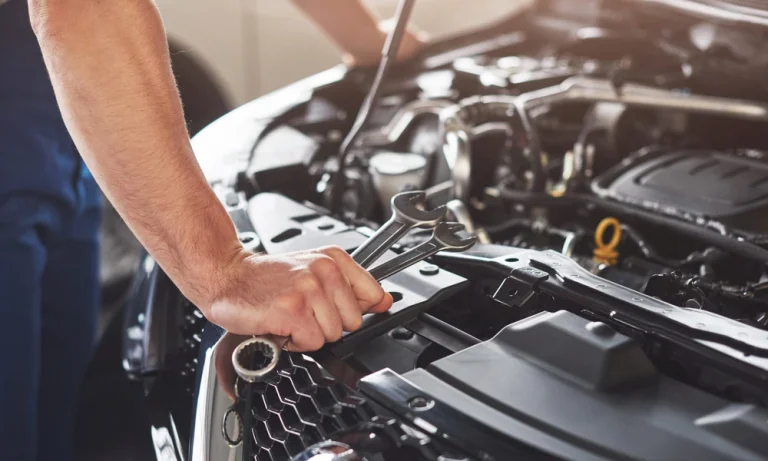
Keeping machines ready for smooth use needs steady care through simple steps that protect every part over time. People look for clear guidance that helps them keep things running without stress. 

Routine Checkup Steps

Regular checks keep important parts working without sudden trouble. Simple steps like fluid level checks or basic part observation help note early signs. These actions help avoid small issues turning into large ones. You can apply these ideas with car service belconnen for better support.
• Look for small marks that show early wear
• Keep parts dry to avoid slow damage
• Clean dust areas that stop smooth work
• Remove light dirt before it gathers more
• Note any soft noise before it gets heavier

Basic Care Methods

Basic daily care helps maintain smooth use and steady working. Light cleaning protects surfaces from slow marks that reduce working strength. Follow simple routines that need only little time. These habits keep the machine safe and make every part move easily once a day.

Safe Use Practices

Using the machine with care reduces stress on important parts. Sudden heavy use may cause slow weakness so steady movement is better. Keeping pressure low avoids early wear. Safe habits protect long use without extra cost which supports long term working.

Early Issue Detection

Spotting signs early helps prevent heavy damage later. Look for tiny changes like sound or slight movement shift. These small marks help guide early steps before things become serious. It also keeps the main parts safe and avoids sudden breakage. 

Long Use Protection Tips

Simple steps support long running strength over time. You can check seals or small covers to ensure nothing enters sensitive points. Remove dust from narrow areas to keep things moving smoothly. These actions maintain steady working without extra pressure. This keeps the use strong for long.

Keeping everything steady through small routines builds strong lasting use for many years. Each step gives support that avoids heavy trouble and reduces sudden stopping. These simple ideas by car service belconnen guide easy care without special skill. Every point supports safer use with small daily habits that keep parts firm and moving without strain.

FAQs

How can I maintain this machine properly
Use simple steps daily with light checks for safe running.

What helps stop early wear on parts
Clean small areas often which prevents tiny marks growing bigger.

Why are steady checks useful over time
They show early signs that guide fast action before trouble grows.

New city, new rhythm. If you book a car before arrival, the first hour after touchdown goes from chaotic to calm: no counter lines, no mystery upsells, no guessing which garage level your car is hiding on. You step off the plane, grab your bags, and roll—exactly how a trip should start.

Quick take

Booking ahead through a modern marketplace means:

  • Real choice in one place (not five tabs)
  • Transparent pricing with mileage and delivery spelled out up front
  • Airport or hotel handoff timed to your arrival
  • Right-size vehicles for business days, family trips, or weekend escapes
  • Faster departures—you’ll be on the road while everyone else is still filling forms

Want an easy way to compare live inventory and lock a pickup window before you fly? Open a car rental marketplace and let the filters do the heavy lifting.

Why booking before you land saves money (and sanity)

1) The rate curve favors planners.

Mid-week starts, late-evening pickups, or shoulder season dates often price better. Seeing options early lets you nudge timing for a better total.

2) You get the right car, not just the available car.

Filter by seats, luggage, AWD, EV, or convertible, and you won’t overpay for features you won’t use.

3) Delivery choices cut wasted time.

Curbside at the airport after a red-eye? Hotel lobby at 10 a.m.? Picking the handoff that matches your itinerary beats wandering a mega-garage.

4) Clean math, fewer surprises.

Mileage tiers, toll handling, deposits, and cleaning policies are visible before checkout—true apples-to-apples comparisons.

How Rent-FYV fits into your travel day (no drama required)

1. Search your destination and dates; set filters for passengers, bags, drivetrain, and comfort features.

2. Compare real vehicles with real availability; choose standard, extended, or unlimited miles.

3. Pick a delivery window aligned with your flight or check-in.

4. Confirm coverage (use your policy or select a plan).

5. Handoff takes minutes—license verified, quick feature walk-through (CarPlay/Android Auto, cameras, fuel/charge door), and you’re off.

Three real itineraries that benefit from booking early

Business in by 9, out by 6

Executive sedan, hotel delivery, standard miles. Your morning commute is predictable, and your afternoon client run doesn’t rely on rideshare roulette.

Friends’ coastal weekend

AWD SUV, extended miles, late-evening airport pickup. You avoid the Friday rush, and the trunk actually fits three bags and a cooler.

Family city-plus-suburbs

Spacious crossover, child seats pre-added, hotel handoff. Nap-friendly cabin, easy garage clearance, fewer “are we there yet?” moments.

Mileage tiers that match real trips

  • Standard for city-center meetings and single-stop outings
  • Extended for one scenic loop (coast, mountains, wine country)
  • Unlimited for multi-stop weekends where detours happen on purpose

Tip: choose once at checkout—overages are the only mileage you’ll regret.

EV travelers: make it effortless

Pick an EV with DC fast-charge support, add a mobile connector, and pin chargers where you’d stop anyway (coffee, lunch). Top up while you dine and return at the agreed percentage—quiet cabins make new cities feel calmer.

Before-you-fly checklist (copy/paste)

  • Dates set with an eye on rate dips
  • Filters: seats, bags, AWD/EV, comfort features
  • Mileage tier chosen to match your map
  • Delivery window aligned to flight or check-in
  • Coverage selected once (no overlap)
  • Driver’s license uploaded; payment ready
  • Support number saved for day-of tweaks

FAQs (short, human answers)

Do first-time renters pay more?

No. Pricing is tied to dates, demand, and model—not your rental history.

Is airport delivery worth it?

If it saves a garage hunt after a long flight, yes. Otherwise, hotel handoff can be calmer and just as quick.

When should I book?

As soon as your flight is set. You’ll see better selection and more flexible delivery windows.

What about tolls and cleaning?

Itemized tolls post to your trip; light cleaning is standard. Sand, smoke, and glitter are the usual fee triggers—plan accordingly.

The quiet perk of planning ahead

When the car is squared away before you board, you land with momentum. Bags, keys, go. And if you want the extra polish—top-tier sedans, grand tourers, or SUVs built for comfort—browse a curated luxury car rental lineup and match the car to your actual trip, not just the badge.

Here’s the honest truth about Los Angeles: you don’t “beat” traffic; you sneak around it. Think tide charts, not sword fights. When the windows line up—dawn on the coast, late-morning through the hills, blue hour downtown—the city feels light and generous. Miss those windows and you’ll memorize the stitching on the seat in front of you.

I learned this the same way everyone does: a few too many wrong turns and at least one missed dinner. The notes below are what I actually use when friends text, “What time should I leave?” Use them loosely. Add a little gut feeling. Keep your radio low enough to hear the city breathe.

The rhythm of a weekday (in plain English)

Early is gold. If you roll out between 5:40 and 7:10 a.m., most freeways still have their shoulders down—405, 10, 101, 110, all of them. You can cross town, meet a flight, or even catch sunrise on Ocean Ave before the baristas pull the first shots.

The next soft spot lands late morning into early afternoon—roughly 10 to 2. Errands move, canyon roads exhale, and there’s enough room to breathe without white-knuckling the wheel.

After dark, the grid loosens again. 8:00 to 10:30 p.m. is the glide home, unless Taylor Swift is in town or the Lakers just forced a Game 7.

The hours to avoid? You already know them. 7:30–9:30 a.m. and 3:45–7:15 p.m. are when podcasts earn their keep. Fridays push both windows wider, because of course they do.

Weekends behave differently

Saturday and Sunday mornings from 7:00 to 10:30 feel like a private city. By lunch—if the sun is out—the coast turns into a parade. Do museums or canyons midday, then slide back to the beach after 4:30 when the parking lots stop fighting.

What to take instead when the freeway snarls

  • Sepulveda is the pressure-relief valve for the 405 between the Valley and the Westside. Not glamorous; reliably fine.
  • La Cienega slips you between Culver and Beverly Hills when the 10/405 knot is sulking.
  • Olympic tends to beat Wilshire at noon; Pico is your backup singer.
  • Bundy/Lincoln handles north–south on the Westside when the 405 refuses to.
  • Coldwater or Laurel Canyon between the Valley and Hollywood: pick based on where you’re going, not superstition.
  • Mulholland works off-peak and doubles as a postcard. Treat cyclists like they own the road—because today, they do.

The usual landmines (check before you leave)

  • Dodger Stadium game nights: Echo Park and the 110/5 ramps seize up 90–120 minutes before first pitch.
  • Crypto.com Arena / LA Live: two hours pre-show, then a slow melt for an hour afterward.
  • Hollywood Bowl: Highland and Cahuenga turn into parking lots 6:00–8:30 p.m.
  • SoFi / The Forum: Century and Manchester can gridlock in a blink—add rude amounts of time.
  • Citywide stuff—CicLAvia, marathons, parades—pushes cars onto freeways your map app swears are “fine.” They aren’t.

LAX, without the headache

Departures are civilized at 5:30–7:00 a.m., 10:30 a.m.–1:30 p.m., and after 8:30 p.m. If you’re picking someone up, wait at the Cell Phone Lot and swing in about thirty minutes after the wheels hit. The horseshoe is a vortex; don’t fight it.

If you’re flying in and want to skip the 6 a.m. rental counter shuffle, set up a quiet handoff through the available options of exotic car rental Los Angeles and go straight to your first window instead of your first line.

A one-day drive that stays mostly in the clear

Start with the ocean while it’s still stretching. 6:05 a.m. coffee on Ocean Ave, PCH north with no one in your mirrors. Snap the Malibu Pier before crowds appear, sip Latigo up to a lookout, then drop back to the water. By 9:45, take Kanan up to the ridge and float Mulholland as the marine layer peels away.

11:30 lands you in Beverly Hills for lunch—valet in, out by 1:00. Let the early afternoon breathe in Topanga or at a museum while the freeways nap. Slide downtown for the 1st Street Bridge right as the sky starts to warm, then cruise the Strip after 9:00 when the lanes finally stop muttering.

Staying near the Triangle? A short-walk pickup via exotic car rental Beverly Hills keeps you inside the calm bubble—no crosstown warm-up required.

Tiny habits that make outsized differences

  • Leave five minutes before the half hour. You’ll dodge a fresh light cycle and a wave of rideshares.
  • In steady congestion, the second lane from the left often wins. Fewer merges, less drama.
  • Watch the school calendar—2:30–3:30 p.m. bumps return like clockwork September through June.
  • Don’t chase the “fast” lane; chase the one with fewer on-ramps. Boring is faster.
  • Add 12–15 minutes when it’s blazing hot, actually raining (rare, but spectacular), or—say it with me—Friday.

Quick answers you’ll probably ask anyway

Is the carpool lane worth it?

If you qualify, yes—especially on the 110 and 105. Mind the HOT/toll segments; they’re well signed, if a little passive-aggressive.

Best months for coastal drives?

May and June (soft, overcast mornings) and September/October (clear and calm). July weekends are gorgeous and absolutely jammed.

App vs. instinct?

Use both. If your phone suggests Wilshire at 5:15 p.m., it’s okay to laugh and choose Olympic.

Final thought

You won’t out-muscle LA traffic. You don’t have to. Pay attention to the windows, keep your plans a little loose, and the city rewards you with those rare, perfect stretches of open lane—the ones that make you remember why you wanted to drive here in the first place.

Whether you’re an experienced rider or just starting out, one truth remains the same: safety and comfort should always come first. While helmets are the most commonly emphasized piece of gear, gloves and goggles are just as essential—yet often overlooked. Riding without them might seem harmless at first, especially on a short ride or casual cruise, but the risks can add up quickly.

Here are five compelling reasons why you should never ride without gloves or goggles again—and why they deserve a permanent spot in your gear bag.

1. Protection from Dust, Debris, and Bugs

The trail doesn’t care if you’re prepared or not. At any moment, your ride can kick up a cloud of dust, fling small rocks, or put you face-to-face with flying insects. Without goggles, your eyes are exposed to all of it, leaving you vulnerable to irritation, impaired vision, or even serious injury.

Goggles provide a vital shield between your eyes and whatever the trail throws your way. They prevent dust from drying out your eyes, block insects from crashing your ride, and help you stay focused no matter the terrain. Similarly, gloves protect your hands from sharp brush, gravel spray, or sudden impacts if you lose balance. Even one unfortunate scrape or sting could turn a great ride into a painful one.

2. Better Grip and Control

Your hands are your primary connection to the machine. When they’re sweaty, numb, or exposed to the elements, your grip weakens, and your control suffers. Riding gloves are designed to enhance your grip on the handlebars, even in wet or muddy conditions. The extra traction and padded support make a noticeable difference, especially during long or technical rides.

Without gloves, sweaty palms or cold fingers can make your controls slippery or slow your reaction time. Whether you’re twisting a throttle, navigating tight corners, or shifting gears on an ATV, the right gloves give you the control and responsiveness you need for a confident ride.

3. Eye Fatigue and UV Protection

Most people don’t think about the long-term strain riding can place on their eyes. Bright sun, harsh glare, and constant wind exposure can lead to eye fatigue, dryness, and discomfort. Goggles with tinted or UV-protective lenses help reduce that strain and keep your vision sharp over the course of your ride.

They also reduce the risk of headaches and squinting, which can be not only annoying but dangerous when focus and visibility are essential. Just like sunglasses are a must at the beach, goggles are a must when you’re racing across an open trail or desert.

4. Crash and Impact Safety

Let’s be real—accidents happen, even to the most experienced riders. If you go down, gloves and goggles can be the difference between a few scrapes and a serious injury. During a crash, your instinct is to break your fall with your hands. Without gloves, that instinct can result in torn palms, bruises, or worse.

Riding gloves are reinforced to absorb shock, resist abrasion, and provide a layer of armor when you need it most. Goggles serve the same purpose for your eyes, preventing branches, rocks, or flying objects from causing lasting damage. The peace of mind that comes from knowing you’re protected is worth far more than the few seconds it takes to gear up.

5. Weather Adaptability and Comfort

From blazing heat to sudden rain or chilly mountain air, weather conditions can change quickly while riding. Quality gloves and goggles help you adapt on the fly. Thermal-lined gloves keep your hands warm in cold climates, while ventilated gloves provide airflow on hot days. Meanwhile, anti-fog goggles ensure you maintain a clear line of sight regardless of temperature or humidity.

These accessories also make a huge difference in overall comfort. Red, windburned eyes and sore, blistered hands can ruin the fun of the ride and slow your recovery time afterward. Simply put, wearing the right gear ensures that you’re not just riding—but enjoying every moment of it.

Riding is supposed to be thrilling, liberating, and fun. But when you skip essential gear like gloves or goggles, you’re risking more than just minor discomfort—you’re compromising your safety, control, and long-term enjoyment of the sport. Quality atv gloves and goggles are just as important as your helmet, and they deserve equal consideration when gearing up.

Whether you’re navigating tight trails, flying through sand dunes, or cruising scenic backroads, gloves and goggles will keep you protected, comfortable, and confident from start to finish. So next time you think about skipping them—don’t. Your hands, eyes, and future self will thank you.

Sports Taillights on European automobiles are no exception to the brand’s reputation for svelte styling, powerful engines, and state-of-the-art electronics. These cars frequently use cutting-edge lighting systems like LED, OLED, and adaptive taillights, which improve the car’s overall appearance and functionality. However, there are special difficulties in maintaining and repairing these complex systems. By being aware of these difficulties, owners of sports cars can make sure their taillights stay in excellent shape and perform at their best for both safety and elegance. For expert European Auto Repair in Oceanside, CA, trust trained technicians to handle these complex taillight repairs with precision and care.

Complex Lighting Systems and Design

European sports cars have LED or OLED taillights for brightness and energy efficiency. These taillights are often used to make cars look sleek and aerodynamic. Modern lighting systems with more complex designs may make repairs harder than halogen taillights. If an LED or OLED component breaks, the taillight assembly may need to be replaced since the lights are generally integrated into the housing.

Integration with Vehicle Performance Systems

Active rear lights, dynamic turn signals, adaptive lighting, and other high-performance systems are frequently integrated with the taillights of European automobiles. To ensure the best visibility, these technologies modify the taillights according to road curvature or driving circumstances. The taillights’ operation may be impacted if any of these performance systems malfunction, necessitating a more involved diagnostic and repair.

auto maintenance
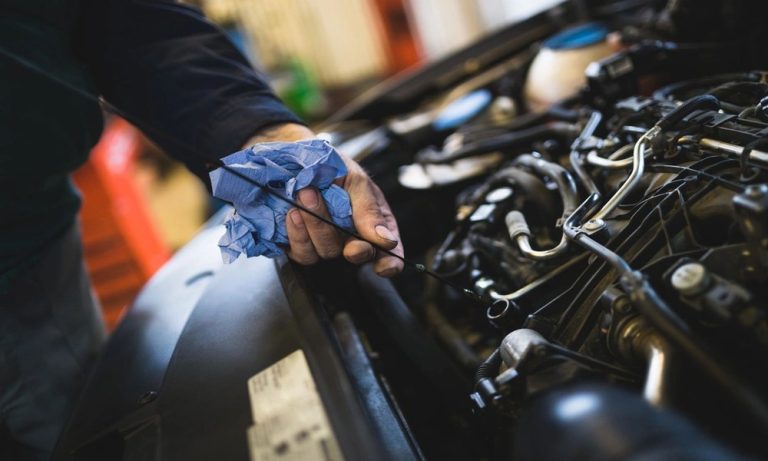
smiling mechanic checking engine oil level with dipstick

Restricted Parts Availability

The scarcity of replacement components presents another special difficulty when fixing the taillights on sports European vehicles. High-performance automobiles frequently use exclusive parts that are unique to the vehicle’s manufacture and model. It could be more difficult to find certain parts, particularly for rare or limited-edition sports cars. Longer repair periods and more expenses may result from a shortage of OEM (original equipment manufacturer) parts. Aftermarket parts may occasionally be available, but they could not be as high-quality as the original parts, which could have an impact on the taillights’ functionality or appearance.

Expensive Repairs

Repairing the taillights of sports European cars can be much more expensive than for regular cars because it requires specialist parts, sophisticated technology, and time-consuming procedures. Repairs for high-performance systems are usually more costly since they require certain skills and equipment. The price may also be increased by the price of OEM parts and the requirement for accuracy when handling luxury items.

Conclusion

Sports European vehicles provide particular problems when it comes to taillight repair because of their advanced lighting systems, integration with vehicle performance characteristics, limited part availability, and higher maintenance costs. Specific knowledge, tools, equipment, and replacement components are required to ensure that the taillights on these vehicles run as they should and maintain the car’s look. Sports car owners should be aware of these challenges and choose knowledgeable repair facilities with experience with high-performance vehicles.

You have the set of advantages to enjoy using the all-wheel steering. The kind of steering has the best to offer to a variety of vehicles in all shapes and sizes in the last few years. Four-wheel steering is a new and innovative concept in the case of cars and vehicles, and the same has helped users to see the positivity in the last few years. It is the four-wheel steering technology that will help impart stability to the vehicles even at a higher speed. The kind of steering will help deliver superior maneuverability and the desired control when having the steering in hand.

All Control with the Steering

It is true that All-wheel Steering for the Electric Chevy Silverado will make you take some time to get used to the technology. In simple terms, you can talk to the technician to learn about the steering pros and advantages of the kind of detail. With the availing of the steering, the vehicle is made to respond faster when turning and switching over lanes. More precisely, the kind of steering is all safe for you and even for the rest of the drivers and pedestrians on the road. Once you hold the steering, you can manage the car your way without hassles.

Driving Well with the Steering 

The steering is just right when you are driving in a wet lane. This is when the corners of the rapid can prove to be quite steep and challenging. This kind of steering will help the car to take smooth corner turns with complete control and stability. The technology of the steering will make the vehicle run in the right direction on the road. The four steerings are designed in a way to make you drive smoothly at the sharp corners. You can have better control of the front two wheels. With this kind of steering in usage, you can take the complete smaller circular turns.

Having the Right Control

With the use of all-wheel steering, one can enjoy both the high and the low pickups. The Canadian winters are highly atrocious. The situation is so brutal that the steering can hit the wheels. This is when you can make use of the correct steering and save the vehicle from making an accident on the road. In this scenario, the four steerings can be highly helpful. This kind of steering can have complete control, and if the accident is not fatal, you don’t need to go for rapid repair.

Driving Smoothly with the Steering

When you are on the road, you can have the correct usage of the All-wheel Steering for the Electric Chevy Silverado, and things can help to the extreme. The steering system will give you the right stability on the road. The steering can help escape the potholes on the road and the high winds, and there is minimum swaying in action. Once you have the steering in hand, you can make the vehicle of the Electric Chevy Silverado and enjoy the complete ride anywhere and anytime.

Why People Are Falling in Love with This Gorgeous Midsize Sedan

Over three decades ago in the year 1990 Volkswagen released a sedan that would go on to redefine their entire catalog. They called it the Passat, which in German translates to “trade wind.” It would go on to have several different iterations released over the years and was always known for its reliability and great fuel economy among drivers.

Fast-forward to current day, and the newest version of the Volkswagen Passat continues to impress drivers and reviewers alike. However, the release of the 2022 model year is bittersweet as this iteration of the Passat is the final one. With that finality in mind, the designers and engineers at Volkswagen have pulled out all the stops to ensure that this vehicle goes out on a high note.

Let’s get to know a little bit more about the 2022 Volkswagen Passat.

Spacious and Sporty Rolled into One

Although sedans are most often associated as daily driver cars getting you from point A to point B, that doesn’t mean it should be lacking in style or performance. As a standard, the 2022 Passat comes in an R-Line design, which is a racing-inspired trim line that is bound to turn heads in traffic. Drivers will notice eye-catching details that pop from both the rear and front end of the vehicle. The new Passat toes the line perfectly between sporty and sophisticated.

The brand-new VW Passat uses a 2.0L turbocharged four-cylinder engine that produces 174 horsepower and 206 lb-ft. of torque, which means this sedan has plenty of acceleration and speed for when you need it.  

Features Galore

No luxury midsize sedan would be complete without plenty of entertainment and convenience features for drivers to enjoy during their daily commute, and the 2022 VW Passat is no slouch in that department. Considering that this will be the last Passat that Volkswagen produces, they have taken this as an opportunity to pack this vehicle with every feature they can muster.

Here are some of the popular features that drivers and reviewers love:

  • Apple CarPlay/Android Auto
  • Climatronic® dual-zone climate control (R-Line trim)
  • Discover Media touchscreen navigation system with proximity sensor, HD Radio, and SD memory card (R-Line trim)
  • Multi-colored interior ambient lighting (R-Line trim)
  • Fender Premium Audio System (R-Line trim)
  • High Beam Control (Light Assist)
  • Blind Spot Monitor
  • Rain-sensing wipers

Additionally, Volkswagen has packed the 2022 Passat with the most advanced driver assistance features ever installed in the VW. They include:

  • Front Assist
  • Lane Assist
  • Light Assist
  • Park Assist⁠
  • Blind Spot Monitor
  • Adaptive Cruise Control (ACC)
  • Rear Traffic Alert
  • Park Distance Control

As a standard feature in all new VW vehicles, the 2022 Passat also comes with Volkswagen Car-Net. This gives drivers access to a full suite of advanced features that are exclusively available through the VW app. They include:

  • Remote Commands (Remote Start excluded for Passat)
  • VW Car-Net Safe & Secure⁠
  • VW Car-Net Hotspot⁠
  • Family Guardian Alerts
  • DriveView⁠
  • Parking Info

Owners of the 2022 Volkswagen Passat Will Enjoy Carefree Coverage

One of the big benefits of buying any late model Volkswagen is that it automatically comes with Carefree Coverage. It breaks down as follows

2 yrs. Service – Scheduled Carefree Maintenance (2 years or 20,000 miles)

3 yrs. Help – Roadside Assistance (3 years or 36,000 miles)

4 yrs. Coverage – New Vehicle Limited Warranty (4 years or 50,000 miles)

5 yrs. Access – Car-Net Remote Access

Whenever you need to take your Passat in for routine service or maintenance, it will show that you have Carefree Coverage in your records. This makes getting your car serviced with VW far easier than ever before.

Time to Test Drive the All-New 2022 VW Passat

Now that you know a little more about the 2022 Volkswagen Passat, the next step is for you to find one in your local area so that you can test drive it for yourself. Simply search the phrase “Volkswagen dealership near me.” That will bring up locations in your direct vicinity that carry the Passat.

Not in the market for a new car? No problem!

There are several car dealerships in your area that sell used cars and certified pre-owned vehicles that have undergone a 100+ point inspection. Search the term “used cars near me” or “used cars in Kansas City” to get started. You should be able to find older models of the Passat along with several other Volkswagen vehicles.

An electric wheelchair incorporates an autonomous movement system to make movements in the simplest way. However, it is important to consider the characteristics and needs of the person who will use the chair regularly to choose an adapted model. Also put in consideration the van if you will have a wheelchair van when buying a wheelchair and also the repair should be taken to a wheelchair van service repair company. 

How Many Types Of Electric Wheelchairs Will We Find?

The main objective is that the person with disabilities can handle the chair; in the case of electric wheelchairs, the motor they incorporate allows autonomous mobility, which facilitates any movement, but also, it is essential to take the dimensions into account, the material and other characteristics that will facilitate the daily use of the chair. 

Multi-Postural

The multi-postural wheelchair allows you to adapt the chair to different positions. The possibility of moving the backrest and the seat facilitates many of the routines that we must carry out daily. With this type of chair, we achieve a comfortable posture in any circumstance; the chair can move easily without causing sudden movements. 

Specific Characteristics Of Electric Wheelchairs

The dimensions of the wheelchair, the materials, or the movement system are important characteristics, which we must consider when choosing a wheelchair that is completely adapted to the person who will use it daily.

Control Systems

In the case of electric wheelchairs, the autonomous control system can generate any type of movement in a simple way. The control is adapted and therefore can be manipulated even by people with a very low degree of mobility; the motor and the steering allow very controlled movements in any circumstance.

Dimensions

The dimensions of a wheelchair will also affect the comfort of the person who is using the chair. The chair must adapt to the height and weight of the person with a disability. 

Manufacturing Materials

The manufacturing materials of a wheelchair influence both its transport and its resistance to blows, scratches, etc. Aluminum wheelchairs are the lightest metal chairs; aluminum is a low-weight metal, which also offers excellent resistance to impacts without deforming.

Batteries

Among the parts of wheelchairs, one of the most important is the battery in electric wheelchairs. The batteries offer a very long autonomy, and therefore, we can move for many hours without the need for charges. It is essential to know the benefits provided by the battery of our wheelchair; this electric power supply adapts to the energy that the chair needs and allows us to have a long-lasting autonomous movement system.

Backrest, Armrests, And Footrest 

There are different models of wheelchairs, also depending on the characteristics of the seat and footrest. Both the backrest and armrests, footrest, seat, etc., are essential elements to guarantee the comfort of the person who uses the wheelchair daily. The padded accessories and the covering materials make a wheelchair comfortable; on the contrary, if these elements do not offer an ergonomic finish, the use of the chair can cause injuries.

If a car has the ability to attract its customers t the first glance, and then convert them into its buyers, it deserves a good round of applauds. Here we are talking about the 2020 Volkswagen Arteon that made us go through an impulse buying, which we never regret. When we drove the 2020 Volkswagen Arteon home buying it from a showroom of one of the famous Volkswagen car dealerships in Bakersfield, we were feeling proud as well as fortunate to make the right choice for our family, as it gave us a spacious cabin soaked in comfort and luxury, equipped with all the latest technology features while its exterior style was making our ride in it embarrassingly prominent.

Target Audience

In these days, when car purchase has become more of a utility centered investment than a pleasure buying, crossovers will definitely score more marks in the scale of popularity. But there are some buyers even now who are right now turned off by the overhyped image of crossover SUVs. It is this section of prospective car buyers that the automaker Volkswagen has targeted to sell its flagship model Arteon. Sold in SE, and SEL trim flavors, the 2020 Volkswagen Arteon offers a wide range of luxury appointments that rise with the trim levels layered on the basis of their price tags.

Artistic Exterior Design

As its name indicates, the 2020 Volkswagen Arteon can be best described as an automotive artefact that is structured on the basis of an aerodynamic design. It looks stylish from every angle. Its overall disposition speaks of its sporty spirit.

The front grille along with the headlights cut sharply into the front bumper that makes your eyes travel to the clamshell-style hood that stretches to cover up even the front bumpers. The low roofline is yet another part that will grab your attention while the taillights looks like pinched at the rear. If you go for the 19-inch wheels to raise the ride height, it will get a smarter look. Volkswagen also offers an expensive R-Line appearance package to dress up the SEL trims with still bigger 20-inch wheels that will turn every head around.

Interior Luxury and Utility

The spacious interior of the 2020 Volkswagen Arteon not only hauls the people well, but also offers a substantial room to accommodate their luggage. With the seats occupied you get a space of 27.2 cubic feet to load your stuff, while folding them down it spreads up to 55 cubic feet which is equivalent to that of any compact crossover SUV.

The 2020 edition of Volkswagen Arteon brings about a subtle yet sporty feel inside its cabin that has all the luxury appointments in place to maintain its ride quality.

Making seats for five passengers, the cabin in draped in fine synthetic leather or with soft Nappa leather on the range-topping versions. You can even have a massaging seat for the driver to reduce his fatigue when the road-trip gets longer.

If all this attracts you to the 2020 Volkswagen Arteon too, get a test drive booked at any reputed place like the Kern County car dealer who sells latest editions of Volkswagen cars like 2020 Arteon.