Author

admin

Browsing

Buying a car is one of the biggest financial decisions most people make, yet the process is often stressful, time-consuming, and confusing. This is exactly why the role of an Auto Broker has become increasingly important. Instead of navigating dealerships, negotiating prices, and handling paperwork alone, buyers can rely on a professional who simplifies the entire experience.

In today’s fast-paced world, convenience and efficiency matter more than ever—and that’s where the true value of an Auto Broker shines.

What Is an Auto Broker and Why It Matters

An Auto Broker is a specialist who represents the buyer rather than the dealership. Their primary goal is to secure the best possible vehicle and deal based on the client’s needs.

Unlike traditional salespeople, brokers work independently and focus on delivering value to the customer. They handle every stage of the process, including:

  • Vehicle search and selection
  • Market comparison
  • Price negotiation
  • Contract handling
  • Delivery coordination

This makes the buying process smoother, faster, and far less stressful.

The Smart Way to Buy a Car

Working with an Auto Broker transforms how people purchase vehicles. Instead of spending hours researching and visiting dealerships, clients can delegate everything to a professional.

Here’s how the process typically works:

Step 1: Consultation

The broker starts by understanding your needs, preferences, and budget.

Step 2: Vehicle Sourcing

Using industry connections, the Auto Broker searches for the best available options across multiple dealers and sources.

Step 3: Negotiation

One of the biggest advantages is expert negotiation. Brokers know market pricing and can often secure better deals than individual buyers.

Step 4: Transaction Management

From paperwork to final delivery, everything is handled for you.

This streamlined approach saves time and ensures you get maximum value for your money.

Why More People Are Choosing Auto Brokers

The rise of the Auto Broker model is driven by changing customer expectations. Buyers no longer want to deal with complicated processes or aggressive sales tactics.

Here are the main reasons people prefer brokers:

  • Convenience – no dealership visits required
  • Expertise – access to industry knowledge
  • Savings – better deals through negotiation
  • Transparency – clear and straightforward pricing

This shift is especially noticeable in competitive automotive markets, where efficiency is key.

Benefits Beyond Price

While saving money is important, the advantages of using an Auto Broker go far beyond pricing.

Time Efficiency

Finding the right car can take days or even weeks. A broker can reduce this to a matter of hours.

Reduced Stress

Negotiations and paperwork can be overwhelming. Brokers handle these tasks professionally.

Access to More Options

Because of their network, brokers can find vehicles that are not always publicly listed.

Personalized Service

Every client receives tailored recommendations based on their exact needs.

Building a Career as an Auto Broker

The growing demand for Auto Broker services has created exciting opportunities for entrepreneurs and professionals. If you enjoy working with people, negotiating deals, and understanding market trends, this career path can be highly rewarding.

What You Need to Get Started

  • Knowledge of the automotive industry
  • Understanding of pricing and negotiation
  • Legal licensing (depending on your location)
  • Strong communication skills

Many aspiring brokers choose to learn through structured training programs such as California Dealer Academy, which provide practical insights into launching and growing a brokerage business.

How Auto Brokers Generate Income

A professional Auto Broker earns money through several channels:

  • Commission per vehicle sold
  • Service fees charged to clients
  • Bonuses from dealer partnerships

Because brokers don’t need to maintain inventory, their operating costs are relatively low. This allows for higher profit margins compared to traditional dealerships.

Digital Transformation in Auto Brokering

Technology is reshaping the way an Auto Broker operates. Modern tools allow brokers to work more efficiently and serve clients remotely.

Key trends include:

  • Online vehicle sourcing platforms
  • Digital contracts and signatures
  • AI-powered price comparisons
  • Virtual consultations

Brokers who embrace these tools can scale their business faster and reach a broader audience.

Choosing the Right Auto Broker

If you’re considering using an Auto Broker, it’s important to select the right professional. Look for:

  • Proven experience in the automotive industry
  • Strong client reviews or references
  • Transparent pricing structure
  • Clear communication throughout the process

A reliable broker can make the difference between a stressful purchase and a seamless experience.

The Future of the Auto Broker Industry

As consumer expectations continue to evolve, the demand for Auto Broker services will only grow. Buyers are looking for smarter, faster, and more efficient ways to purchase vehicles, and brokers are perfectly positioned to meet those needs.

The future will likely include even more automation, better data insights, and enhanced customer experiences. However, the human element—trust, negotiation, and personalized service—will remain at the core of this profession.

An Auto Broker is changing the way people buy cars by offering a smarter, more efficient alternative to traditional dealerships. From saving time to securing better deals, the benefits are clear for both buyers and professionals entering the industry.

Whether you’re looking to purchase your next vehicle or start a new career, the world of the Auto Broker offers incredible potential. With the right approach, knowledge, and support from experts like California Dealer Academy, you can take full advantage of this growing market and achieve long-term success.

Hearing unusual noises when applying your brakes can be alarming. Brake sounds often indicate underlying issues that require attention to ensure safety and maintain vehicle performance. Sunshine Auto Repair helps drivers understand common causes of brake noise and the importance of addressing them promptly.

Common Types of Brake Noise

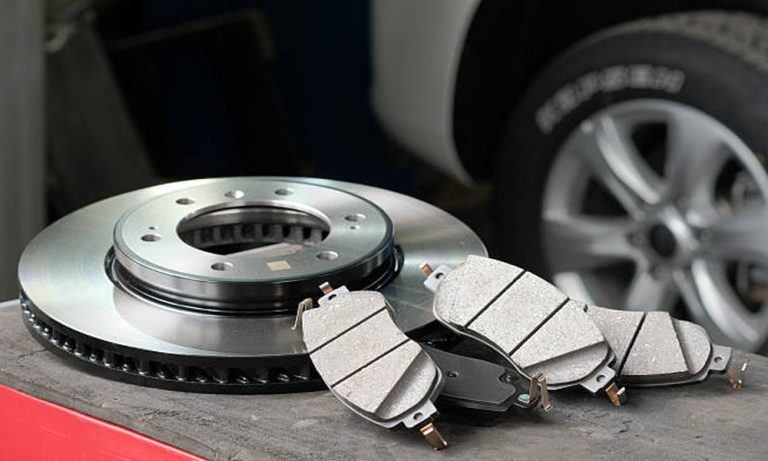
Brake noise can take many forms, each pointing to a different issue. A squealing or high-pitched sound often comes from worn brake pads. Many brake pads have wear indicators that emit a squeal when the material is low, alerting drivers that replacement is needed.

Grinding noises, on the other hand, are more serious. Grinding typically occurs when brake pads are completely worn down, causing metal-to-metal contact with the brake rotors. This can damage the rotors and lead to costly repairs if not addressed quickly.

Causes Beyond Worn Pads

Brake noise is not always caused by worn pads. Loose or worn hardware, such as calipers, shims, or clips, can cause rattling or squeaking. Corrosion or rust buildup on rotors may also lead to unusual sounds, particularly after vehicles have been exposed to moisture.

Additionally, glazed brake pads or rotors-often caused by excessive heat-can create a squeaky or squealing sound. This glazing reduces braking efficiency and requires professional attention to restore proper performance.

When to Seek Professional Help

While some minor brake noises can be temporarily addressed, persistent or worsening sounds should be inspected by a professional. Mechanics can measure pad thickness, check rotor condition, and ensure all components are properly installed and functioning. Ignoring brake noise can compromise stopping power, putting drivers and passengers at risk.

Preventive Measures

Regular brake inspections are key to avoiding unexpected problems. Checking brake pads, rotors, and related hardware as part of routine maintenance helps identify wear early and prevent more serious damage. Timely replacement of worn parts ensures smooth operation and a quieter ride.

Addressing brake noise promptly not only preserves vehicle performance but also ensures safety on the road. By understanding the potential causes and taking proactive steps, drivers can maintain reliable braking and avoid costly repairs. Paying attention to brake sounds is a simple but effective way to keep your vehicle safe and performing at its best.

This post was written by a professional at Sunshine Auto Repair. Need car maintenance near you, reliable auto repair near you, or the best auto mechanic near you in El Cajon, CA? For over 20 years, Sunshine Auto Repair, our family-run shop, has provided honest service, fair prices, and expert care for cars, SUVs, trucks, and commercial vehicles. Click here to learn more!

Modern vehicles rely on many smart electronic safety sensors. The Tire Pressure Monitoring System is a vital safety tool. This system alerts you when tire pressure drops too low. You must maintain this technology for your daily road safety. Proper care ensures that the sensors provide accurate air readings. Many drivers ignore the small yellow dashboard warning light often. But you should treat this light with great personal care. Reliable sensors help you avoid dangerous flat tires on highways. Now you can learn how to keep this system healthy.

Checking Sensor Batteries Regularly

The internal batteries power every individual wheel sensor constantly. These tiny batteries usually last for five to seven years. But cold weather can drain the battery power much faster. You might notice intermittent signals from your dashboard display screen. Sometimes the sensors stop sending data to the car computer. This happens when the internal battery becomes very weak indeed. You cannot replace just the battery in most modern units. So you must buy a new sensor for the wheel. The experts at Auto Repair in Johnstown, OH can test battery levels. They use special tools to check the signal strength easily.

Maintaining Correct Air Pressure

Correct air pressure keeps the monitoring system working quite well. You should check your tire pressure with a manual gauge. The system works best when tires match the door placard. Temperature changes cause the air pressure to fluctuate during seasons. Sometimes the light turns on during very cold winter mornings. This occurs because cold air occupies less physical space inside. You must add air to reach the recommended inflation level. The light should turn off after a short driving trip. Now the system can monitor your tires with high precision. Precise inflation prevents unnecessary wear on the rubber tire tread.

Avoiding Heavy Sealant Sprays

Emergency tire sealants can damage the sensitive internal monitoring ports. These thick liquids coat the sensor and block the holes. The sensor then fails to read the air pressure correctly. You should avoid using these chemical sprays during flat tires. But many people use them for a quick road fix. This choice often ruins the expensive electronic components inside wheels. You will need a professional cleaning or a full replacement. The technicians at Stringer Auto Repair handle these delicate repairs. They carefully remove the old sealant from the metal wheel. Then they install a fresh sensor for your driving safety.

Inspecting The Valve Stems

The valve stems hold the sensors inside the tire rim. These metal or rubber parts can corrode from road salt. You should inspect the stems for cracks or slow leaks. Sometimes the tiny internal seal fails after many long years. A reliable Stringer Auto Repair replaces old stems during maintenance.

You already know Bozeman is a gateway to serious terrain, shifting weather, and long days outside. My role here is to help you think clearly about rentals that support that reality. I look at capability, consistency, and access, not brand noise. I also pay attention to how travelers move between the airport, backroads, rivers, and photo locations without friction. That approach shapes everything below, including how I evaluate car rentals, raft access, and photography planning.

If photography sits anywhere on your trip plan, reviewing a solid Montana photography guide early helps frame timing, light, access points, and seasonal limits before locking routes and gear.

What follows breaks down how to plan Bozeman airport car rental decisions, how to think about river access, and how to match your travel goals with vehicles that work across Montana conditions.

Bozeman Airport Car Rental Decisions That Matter

Bozeman Yellowstone International Airport looks simple on a map. The reality outside the terminal is not.

Weather shifts fast. Gravel roads extend far beyond pavement. Snow and ice appear early and linger late. I always advise choosing a vehicle built for those factors, not one built for city driving.

When you compare Bozeman airport rental cars, focus on these points:

  • Four wheel drive as a baseline, not an upgrade
  • Severe snow rated tires with the three peak mountain symbol
  • Clearance that handles ruts, snowpack, and washboard roads
  • A reservation system that guarantees the exact vehicle

Large agencies struggle with the last point. Hatch Adventures avoids that issue by reserving specific vehicles and preparing them for Montana travel. They operate close to the airport in Belgrade and offer pickup, delivery, or in person handoff. That matters when flights land late or weather changes plans.

I value the way they remove long airport lines and walk you through vehicle operation in person. Clear handoff reduces mistakes once you leave pavement.

Choosing a Bozeman, Montana Car Rental for Backroads

A Bozeman, Montana car rental should match where you plan to go, not where you plan to sleep.

Hatch Adventures maintains a curated fleet built around regional travel. Every vehicle includes four wheel drive and winter rated tires. Their lineup covers real use cases, not filler inventory.

Options include:

  • Jeep Wrangler and Gladiator trims built for snow and gravel
  • Ford Bronco models with rooftop tent availability
  • Toyota Tacoma, 4Runner, and Land Cruiser platforms
  • Ineos Grenadier and Quartermaster trucks with triple locked axles

These vehicles handle named roads across Montana, Wyoming, and Idaho. That coverage matters if your route includes mountain passes, forest roads, or early season snow.

I also look at preparation standards. Hatch Adventures outfits vehicles with gear intended for extended travel. That reduces stress and keeps your focus on the trip.

Bozeman Airport Rental Cars for Seasonal Travel

Seasonality changes everything in southwest Montana.

Spring brings runoff and soft roads. Summer draws traffic into river corridors. Fall introduces frost, wildlife movement, and shorter daylight. Winter adds snowpack and closures.

A Bozeman airport rental car needs to support all of that. Hatch Adventures prepares vehicles for winter use year round, not as an add on. That consistency helps you avoid last minute changes when conditions shift.

Airport delivery or shop pickup allows flexibility. Late arrivals receive clear instructions and lockbox access. Camping packages include transport to the shop for hands on gear demos. That level of detail helps travelers avoid confusion once outside town.

Bozeman Raft Rental Without Guesswork

Floating Montana rivers requires more than grabbing a trailer and guessing water levels.

Hatch Adventures offers raft rental options built around local rivers and conditions. Their NRS Slipstream 139 and 120 rafts support fishing, floating, and multi day trips. Each setup includes:

  • Stable drop stitch floors
  • Integrated anchor systems
  • Aluminum dry boxes and dry bags
  • Coolers, oars, and trailers

They also supply the NRS Pike fishing kayak for narrow water access.

I recommend choosing a rental provider that understands river access points, seasonal flow changes, and shuttle logistics. Hatch Adventures shares planning guidance that helps you align trips with water levels and skill range.

Using a Montana Photography Guide for Fall Planning

Fall creates short windows and high reward. Light changes fast. Wildlife movement increases. Roads close without warning.

A Montana photography guide helps you plan around those variables instead of reacting to them. Hatch Adventures publishes detailed fall guidance covering access routes, sunrise timing, and regional highlights.

Locations often referenced include:

  • Paradise Valley with cottonwood color and mountain contrast
  • Hyalite Canyon near Bozeman with calm reflections
  • Beartooth Highway for alpine views and elevation changes
  • Gallatin River Valley for wildlife and water composition

A capable four wheel drive rental expands access to quieter roads and early morning locations. That flexibility reduces crowds and missed light.

I advise pairing photography planning with vehicle choice early. A mobile base with storage and optional rooftop camping keeps you close to subjects and light shifts.

Why Hatch Adventures Stands Apart

I look for alignment between gear, terrain, and planning support.

Hatch Adventures focuses on purpose built vehicles and real regional needs. They avoid overbooking. They prepare vehicles for winter conditions year round. They offer exact vehicle reservations and in person handoffs.

Their raft program supports real river use. Their travel guidance supports seasonal planning. Their location near the airport simplifies logistics.

That combination helps travelers move confidently across Montana without overthinking equipment or access.

Final Planning Thoughts

Bozeman travel rewards preparation. The right rental car opens routes. The right raft setup removes guesswork. The right photography guide shapes timing and access.

I recommend building your plan around capability first, then convenience. Hatch Adventures supports that approach with vehicles and gear designed for Montana conditions, not generic travel.

If you want fewer compromises and clearer planning, start with rentals that match where you intend to go.

Buying a car can be exciting, but navigating the used car market can feel overwhelming—especially if it’s your first time. At VIP Auto Orlando, we aim to make the process simple, transparent, and even enjoyable. This guide will walk you through everything you need to know when buying a used car.

1. Know What You Want

Before stepping onto the lot, think about your needs. Do you need a sedan for commuting or an SUV for family trips? Understanding your priorities helps narrow down options and saves time.

2. Set a Realistic Budget

A common mistake is focusing only on monthly payments. Make sure to account for insurance, taxes, registration, and potential repairs. Having a clear budget helps you avoid surprises and ensures a smooth buying experience.

3. Do Your Research

Research the models you’re interested in, including reliability, fuel efficiency, and resale value. At VIP Auto Orlando, our team can provide vehicle history reports for every used car, so you know exactly what you’re getting.

4. Inspect and Test Drive

Always inspect the car carefully and take it for a test drive. Pay attention to the engine, brakes, and electronics. Don’t hesitate to ask questions—our experts are here to guide you.

5. Financing and Paperwork

Once you’ve found the perfect used car, VIP Auto Orlando can help with financing options and ensure all paperwork is handled efficiently. Our goal is a seamless, stress-free process from start to finish.

Buying a used car doesn’t have to be complicated. With the right preparation and a trusted dealership like VIP Auto Orlando, you can drive away confident in your choice and ready for the road ahead.

This post was written by a professional at VIP Auto – Orlando Pre-Owned Cars. At VIP Auto Orlando, we’re your go-to destination for exceptional vehicles and unmatched selection. Recognized as one of the leading used car dealerships in Orlando, we proudly offer a massive inventory of over 500 vehicles — from lifted trucks and luxury models to family SUVs and budget-friendly options under $5,000. Whether you’re searching for cars for sale Orlando, a reliable truck for sale near you, quality pre-owned cars for sale near you, or performance-driven sports cars for sale near you, you’ll find the perfect fit right here at VIP Auto Orlando.

Buying a first car is a big moment. For new drivers and their families, the goal is usually the same: find something safe, reliable, affordable, and easy to drive. While new cars can be tempting, most people quickly realize that used vehicles often make more sense for beginners. The right used car delivers confidence, independence, and protection without unnecessary financial stress.

This guide highlights what to look for when choosing from the best cars for beginners and the most affordable used cars for teens.

What Makes a Good First Car

First-time drivers need a car that is forgiving, predictable, and simple to maintain. Fancy features are not nearly as important as consistency and safety.

The strongest candidates usually share these traits:

  • Proven reliability history

  • Strong safety ratings

  • Good fuel efficiency

  • Low insurance costs

  • Affordable repair and maintenance

These factors keep long-term ownership manageable while allowing new drivers to focus on building skills behind the wheel.

Why Used Cars Are Often the Smarter Choice

New drivers make mistakes. Small bumps, scraped wheels, parking lot mishaps. That is part of learning. A used car offers financial breathing room and less pressure during that learning curve.

Many of the affordable used cars for teens today include modern safety features such as backup cameras, stability control, and advanced airbags without the high price tag of new models.

Sedans: A Classic Beginner Option

Compact and midsize sedans remain some of the best cars for beginners because they are easy to handle, economical, and comfortable for daily driving.

They offer:

  • Smooth ride quality

  • Excellent visibility

  • Simple controls

  • Easy parking and maneuvering

Sedans also tend to have lower insurance premiums compared to larger vehicles.

Small SUVs: Added Versatility and Confidence

For families who prefer a higher seating position and additional cargo space, compact SUVs can also be great beginner vehicles. They offer improved visibility, flexible storage, and stable handling in poor weather.

Modern small SUVs combine the simplicity of sedans with extra practicality, making them appealing affordable used cars for teens who carry sports equipment, school projects, or friends.

Hatchbacks: Budget-Friendly and Practical

Hatchbacks often get overlooked, yet they deliver excellent value for first-time drivers. Their compact size makes them easy to maneuver while still providing flexible cargo space.

For many families, hatchbacks represent the sweet spot between price, efficiency, and everyday usability.

Key Features First-Time Drivers Should Prioritize

Regardless of body style, the best first cars share several important features:

  • Anti-lock braking systems

  • Electronic stability control

  • Multiple airbags

  • Backup camera or parking assistance

  • Strong crash-test results

These systems protect new drivers while building confidence on the road.

Ownership Costs Matter as Much as Purchase Price

The sticker price is only part of the equation. Fuel, insurance, maintenance, and repairs all affect long-term affordability. Vehicles with strong reliability histories typically deliver the lowest total ownership cost over time.

This is why many families focus on vehicles known for durability when searching for best cars for beginners and truly affordable used cars for teens.

Inspection and History Are Essential

Before purchasing any used vehicle, always:

  • Review the vehicle history report

  • Check for prior accidents or flood damage

  • Have a trusted mechanic perform an inspection

These steps prevent costly surprises and ensure the car remains dependable for years.

Final Thoughts

Choosing the right first car is about balance. Safety, reliability, simplicity, and affordability matter more than horsepower or luxury. The best first vehicles quietly support learning, protect new drivers, and keep costs predictable.

When families focus on the long-term picture, the result is a vehicle that builds confidence, independence, and peace of mind from the very first drive.

This post was written by a professional at Redemption Auto Sales. Quality Used Cars for Sale in St Petersburg FL is a trusted used car dealership located at 11001 Seminole Blvd in Largo, FL. Serving Pinellas County, they offer a wide selection of quality used cars, trucks, SUVs, and vans. As a certified Carfax dealer, every vehicle comes with a detailed history report. They provide flexible financing, accept trade-ins, and are committed to a hassle-free, no-haggle buying experience. Visit 200autos.com or call (727) 200-2468 to learn more.

Diesel Car owners cherish security. Alarm systems guard vehicles. Sensitive settings trigger alerts. Excessive sensitivity breeds false alarms. Balancing responsiveness avoids annoyance. Professional technicians calibrate thresholds. Dry Fork Diesel & Auto LLC offers expertise. Experienced staff fine tunes devices. Proper tuning saves owners. Peaceful driving follows optimization. Misconfigured alarms scare passers-by. Noise pollution disrupts neighbourhoods. Rapid response protects assets. Delay in detection invites theft. Consistent performance builds trust. Owners benefit from reliable alerts. Maintenance schedules reinforce stability. Regular checks catch drift. Technical inspections reveal flaws. Qualified technicians resolve issues. 

Sensitivity Basics

Manufacturers set default thresholds. Default levels suit typical environments. Urban areas generate background noise. Rural zones produce quiet surroundings. Alarm chips detect vibration patterns. Sensors measure impact intensity. Higher sensitivity catches subtle shocks. Lower sensitivity ignores minor taps. Owners prefer balanced detection. Balancing act reduces nuisance alerts. Improper settings increase false alarms. Excess alerts frustrate drivers. Missed alerts compromise security. Fine tuning resolves conflicts. Technicians evaluate ambient sound levels. Adjustment tools modify threshold values. Calibration follows systematic procedures. Professional expertise ensures accurate results. Dry Fork Diesel & Auto LLC performs calibrations routinely. 

Testing Procedures

Technicians attach diagnostic equipment. Equipment reads sensor output levels. Baseline recordings establish normal patterns. Simulated impacts test responsiveness. Variable force applied during trials. Response times measured precisely. Rapid triggers indicate high sensitivity. Delayed triggers suggest lower settings. Data guides adjustment decisions. Fine adjustments made manually. Software tools assist calibrations. Multiple iterations ensure consistency. Consistency prevents intermittent failures. Clients receive detailed reports. Report outlines recommended settings. Recommendations balance security needs. Dry Fork Diesel & Auto LLC documents findings thoroughly. Clients review documentation before finalizing. 

Environmental Factors

Temperature shifts affect sensor behaviour, which is why services such as Diesel Repair in Carthage, MO account for environmental influences during calibration. Cold weather stiffens metal components, while heat expands circuitry housing. Humidity introduces electrical interference. Road vibrations differ by surface, as gravel roads generate harsh jolts and highways produce steady low impacts. Parking garages echo ambient sounds. Location influences false alarm risk, and seasonal changes alter background noise. Proper settings adapt to these cycles and dynamic calibration accounts for constant shifts. Technicians review climate data, and adjustment recommendations reflect real conditions. Customers benefit from tailored solutions. 

User Preferences

Drivers choose alert volume levels. Loud alerts deter potential thieves. Soft tones avoid neighbourhood disturbance. Customization enhances personal comfort. Mobile apps allow remote adjustments. Smartphones display real time status. User interfaces simplify configuration. Professional assistance bridges knowledge gaps. Dry Fork Diesel & Auto LLC offers personalized coaching. Training sessions improve user confidence. Feedback loops refine system design. Surveys capture driver satisfaction trends. 

Maintenance Best Practices

Routine inspections catch early wear. Battery health influences sensor reliability. Corrosion on connections reduces signal strength. Cleaning contacts restores full function. Software updates patch known bugs. Firmware upgrades improve detection algorithms. Service centers perform comprehensive diagnostics. Qualified technicians replace defective parts. Original equipment ensures compatibility.

The traction control module ensures vehicle stability. Faulty modules reduce safety on the road. Professional replacement restores reliable system performance. Certified technicians follow strict procedures. Accurate handling protects braking and acceleration response. Vehicles rely on consistent traction control. Early intervention prevents further component damage. Dempster’s Quality Car Care provides expert module replacement. Skilled staff maintain system functionality. Proper replacement improves driver confidence. Timely attention prevents unexpected failures. Maintenance supports long term vehicle safety. Module replacement aligns with manufacturer standards. Professional care ensures dependable operation. Safe driving depends on functional systems. Replacing modules protects both vehicle and passengers. 

Diagnosis and Initial Assessment

Technicians begin with thorough diagnostics, a process commonly handled by providers such as Auto Repair in Hatboro, PA to ensure accuracy from the outset. Error codes indicate module malfunction. Electrical inspections confirm wiring integrity. Sensor feedback reveals hidden faults. Control unit performance receives careful evaluation. Fault identification guides replacement planning. Dempster’s Quality Car Care performs structured assessments. Accurate diagnosis prevents unnecessary part replacement. Early detection reduces additional damage. Professionals determine whether repair or replacement is needed. Module history and performance influence decisions. Fault analysis prevents recurring problems. System evaluation ensures safety standards compliance. Technicians document all findings precisely. Accurate assessment supports proper replacement procedures. Verification identifies correct module specifications. 

Module Removal Procedures

Faulty modules require careful disconnection. Technicians follow manufacturer recommended steps. Electrical connectors are detached carefully. Mounting bolts are removed securely. Surrounding components are protected during work. Professional handling prevents accidental damage. Dempster’s Quality Car Care performs controlled removal steps. Modules are handled with care. Old units are inspected for additional faults. Proper labelling ensures correct reinstallation. Environmental exposure is minimized during work. Removal procedures prevent sensor misalignment. Accurate documentation guides new module installation. Faulty modules are stored or disposed properly. Professionals maintain clean work conditions. 

Installation and Calibration of New Modules

New modules require accurate installation. Mounting positions are aligned with specifications. Electrical connectors are attached carefully. Control software is updated as needed. Calibration restores proper wheel slip response. Dempster’s Quality Car Care applies professional installation procedures. Verification ensures communication with other systems. Sensors are tested after installation. Repeated checks confirm operational readiness. Correct alignment prevents false alerts. Software parameters are adjusted precisely. Modules integrate with braking and stability systems. Technicians validate intervention timing. Installation procedures follow strict safety guidelines. Accurate setup restores full traction control function. System response is verified in controlled tests. Professional care guarantees long term reliability. 

Conclusion

Traction control module replacement restores vehicle safety. Professional service ensures accurate installation and calibration. Dempster’s Quality Car Care delivers expert replacement solutions. Certified procedures maintain operational reliability. Proper care protects drivers and passengers. Post replacement testing confirms system performance. Accurate modules support braking and acceleration control. Professional handling prevents recurring faults. Maintenance sustains long term module functionality. Expert replacement guarantees consistent vehicle stability.

Your car electrical system needs protection. The turn signal relay handles high current loads. This essential component manages signal flashing speed. Relays are small electronic switches. They activate directional lights consistently. Over time this constant work creates heat. Heat causes internal components to degrade fast. The relay wears out quickly under heavy strain. Understanding stress causes prolongs relay life. Ignoring early symptoms means major repair costs. Visit Southwest Muffler & Brake for thorough diagnostics today. Expert technicians assess all electrical issues now. Proper maintenance prevents sudden signal failure later. This crucial step ensures safe driving habits always. Relays protect complex wiring harnesses well. These components deserve specialized attention always.

Incorrect Bulb Wattage Draws Too Much Power

Car owners often upgrade their lights. They install different types of bulbs often. Standard incandescent bulbs draw high current. Replacing these bulbs with LEDs seems simple. LED lights require careful resistance management. They draw less power initially only. People often skip installing load resistors properly. The internal switch contacts weld together sometimes. Using bulbs with excessive wattage increases current flow. Total current exceeds the relay’s specified limit. This practice forces the relay to work harder. Excessive heat shortens the relay lifespan dramatically. Always use parts matching factory specifications exactly. Ask Southwest Muffler & Brake about correct resistance kits now. Avoid installing mismatched parts always. Correct resistance from Auto Repair in Stafford, TX ensures proper relay function.

Prolonged Hazard Activation Causes Constant Strain

Hazard lights utilize all four signals together. This function demands continuous relay operation. Emergency situations require hazard light use. Parking illegally means using hazard signals long. Towing vehicles often requires constant flashing. Staying engaged for hours prevents this cooling. High ambient temperatures worsen this heat problem. Heat weakens the internal spring mechanism slowly. The relay struggles to open the circuit cleanly. This fatigue leads to intermittent signal failure soon. Drivers must minimize lengthy hazard usage now. Use hazard lights for real emergencies only. Continuous heavy use shortens component life much. Respect the relay’s designed duty cycle limit. Minimize heavy demand periods responsibly.

Wiring Damage Creates Permanent Short Circuits

Damage to wiring harnesses poses great danger. A short circuit bypasses normal resistance paths fast. Shorted wires draw massive amounts of current suddenly. The relay tries to interrupt this excessive flow. Frequent shorting attempts drastically overload the relay switch. This constant battle destroys the internal contacts quickly. A poor ground connection also causes relay strain. Bad grounds force the relay to work tirelessly. The relay cycles rapidly trying to find ground. Faulty wiring requires immediate professional repair work. Persistent flickering indicates potential short circuits now. Neglecting these warnings risks vehicle fire danger. Always seek immediate help for wiring faults now. Southwest Muffler & Brake diagnoses complex electrical issues well. We guarantee safe functional resolution every time. Trust Southwest Muffler & Brake for your electrical safety needs. Protect your car from wiring faults today.

Modern cars rely on electricity. Electrical systems are very complex. Small faults cause huge trouble. These faults are called gremlins. Drivers often ignore wiring issues. Wiring issues create major failures. Relays are small crucial components. Relays switch power across circuits. A failed relay stops the car. Intermittent issues often start small. Proactive checks prevent these problems. Inspections find hidden weak spots. Early detection saves much money. Ignoring small signs is dangerous. Regular maintenance keeps systems healthy. It ensures reliable daily function. Every driver needs this assurance.

Proactive Diagnostics for Critical Relays

Relay failure is hard to predict. Relays wear out from constant use. Heat vibration and age degrade plastic. Internal contacts burn or corrode. Symptoms often appear sporadically. Lights may flicker without warning. The starter motor clicks weakly. Fuel pump operation stops suddenly. These are classic relay signals. Ignoring signals risks serious breakdowns. Technicians test relay power draw. They check resistance across circuits. Specialized tools find hidden flaws. This proactive testing is essential. Trust professional expertise always. Schedule checks at South Park Tire & Auto Center, the Auto Repair in Littleton, CO  based service. They examine every electrical nexus. This service prevents road trouble. Early diagnosis increases safety. It ensures vehicle reliability greatly.

Preventing Widespread System Damage

Small faults often become large issues. A failing relay draws too much power. This overload heats up wiring harnesses. Wiring insulation then starts melting. Melted wires short expensive modules. These modules include the main computer. The engine control unit is sensitive. ECU replacement costs thousands of dollars. Faulty relays drain the car battery. Battery life diminishes quickly too. Constant deep discharge kills batteries. Regular inspections stop this cascade. They identify high resistance points. Technicians replace cheap components first. This protects the entire electrical brain. It avoids costly complex replacements. Preventing damage saves great expense. Electrical health means money savings.

Maintaining Safety Systems Integrity

Vehicle safety relies on electricity. Brakes need power for ABS function. Airbag deployment systems are electric. External lighting is absolutely critical. Headlights need reliable power supply. Turn signals must operate correctly. A bad relay impacts visibility fast. Safety systems must never fail drivers. Regular checks confirm system health. Technicians inspect these crucial circuits. They ensure relays respond instantly. This service guarantees road safety. Visit South Park Tire & Auto Center regularly now. Their staff checks every safety circuit. Fault finding is their core expertise. Electrical issues demand expert attention. Book your appointment at South Park Tire & Auto Center. Protect your family from hazards. Safe driving demands system integrity.