Author

Sheri Gill

Browsing

The car needs clean air to run. Dust enters the engine without a good filter. This debris causes heavy damage over time. You must check the part often for safety. The Import Mechanics provides expert help for all engine needs. Now you can learn why this matters today. Dirty air blocks the flow of oxygen. The engine struggles to breathe without enough air. You will notice a drop in power soon.

The Role of Pure Air

The engine acts like a pair of lungs. Pure air ensures the fuel burns very clean. Now the vehicle needs this air for energy. Sometimes the filter gets clogged with thick dirt. This blockage forces the engine to work harder. The car loses speed on the open road. You will spend more money on fuel daily. The Import Mechanics ensures your engine stays very strong always. A fresh filter keeps the internal parts safe. The car will run smooth for many years.

Fuel Efficiency and Cost Savings

Gas prices remain high for every single driver. A dirty filter wastes a lot of fuel fast. Now the engine drinks more gas to move. You can save money with a simple swap. The car achieves better mileage with clean filters. 2026 car repair experts suggest regular checks for all. The Import Mechanics offers the best service for your vehicle. Sometimes a small part saves a huge fortune. The engine stays cool with a steady breeze. You will see the difference at the pump. Choosing the European Auto Repair in Denver, CO based service is essential here.

Protecting the Internal Engine Parts

Metal parts rub together inside the dark engine. Small dust particles act like sharp sand paper. The grit wears down the hard metal surfaces. Now the engine might fail without any warning. You need to stop the dirt at once. A thick filter traps the tiny bits well. The pistons move freely without any harsh friction. Sometimes the damage becomes very expensive to fix. You should trust the experts with your car. The engine lasts longer with a clean shield.

Better Acceleration and Driver Control

The car should react fast when you press. A clogged filter makes the car feel slow. Now the engine gasps for air during starts. You might feel a jerk while driving fast. The car needs a quick burst of power. Sometimes the throttle feels heavy and very unresponsive. You deserve a ride that moves with ease. The engine responds better with a new filter. 2026 car repair services help improve your daily drive. The car will feel like a new machine.

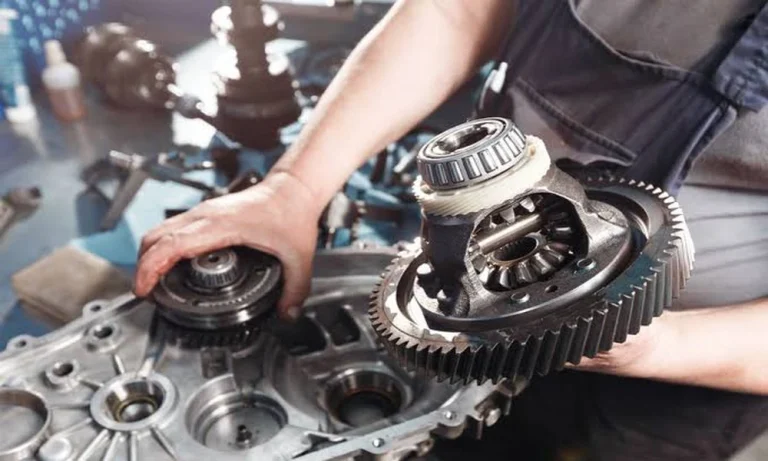
The drivetrain moves your vehicle forward today. Every car relies on gears to turn wheels. These gears live inside a heavy metal housing. This housing contains a very special thick oil. The oil keeps all moving parts cool now. But the oil must stay inside the box. Differential seals perform this vital task for you. These small parts prevent messy leaks from starting. Asain and Domestic Auto Repair in Wilmington, NC often involves fixing these leaking seals. You should trust T&T Automotive Service for your maintenance needs. Reliable seals ensure the gears stay fully lubricated.

The Essential Function of Sealing Rings

The differential allows wheels to spin at speeds. One wheel turns faster than the other wheel. This happens when the vehicle enters a sharp turn. Gears mesh together under a lot of pressure. Lubrication reduces heat between the metal gear teeth. The seal sits where the axle meets housing. It creates a tight barrier against the outside. Now the oil stays trapped inside the differential. Contaminants like dirt cannot enter the gear system. Sometimes the seal faces extreme heat and friction. High temperatures can cause the rubber to harden. You need quality parts from T&T Automotive Service for safety.

Common Signs of a Failing Seal

You might notice dark spots on the driveway. These puddles often smell like heavy sulfur odors. A leaking seal lets the precious oil escape. The gears will eventually run dry and hot. Now you will hear loud humming or clicking. These noises indicate the metal is grinding away. Sometimes the vibration felt through the floor increases. You should check the axle area for wetness. The moisture suggests a seal has finally cracked. Broken seals lead to very expensive gear failures. Professional shops like T&T Automotive Service identify these issues quickly.

The Impact of Heat and Pressure

Differential fluid works hard under heavy vehicle loads. The oil expands as the temperature rises higher. This creates pressure against the rubber seal lips. The seal must remain flexible to work well. But old rubber becomes brittle and very dry. Dirt from the road wears the surface down. Now the tight bond against the axle breaks. Small gaps allow the fluid to seep out. The gears lose protection against the friction forces. You must replace the seal before damage occurs. This simple fix saves the entire drivetrain assembly.

The Professional Replacement Process

Mechanics must remove the wheels and the axles. This process requires many specialized tools and skills. The old seal is pried out very carefully. Now the technician cleans the metal mounting surface. A new seal is pressed into the housing. The fit must be perfectly flush and straight. Any slight tilt will cause a fresh leak. You want the job done right the first time. Sometimes the fluid is replaced during this service. Fresh oil ensures the new seal stays lubricated. Proper installation keeps your car on the road.

Key Highlights

  • Brokers often utilise established networks to access inventory that remains invisible to the general public.
  • Operating without expensive showrooms allows intermediaries to pass significant operational savings directly to the buyer.
  • A broker works for the purchaser rather than a specific manufacturer, which ensures the advice aligns with your needs.
  • Outsourcing the negotiation and administrative heavy lifting transforms a complex process into a streamlined transaction.
  • Proper vetting of your chosen intermediary prevents common pitfalls associated with third-party vehicle sourcing.

Introduction

The path to vehicle ownership in Singapore is notoriously fraught with financial hurdles and administrative complexities that can overwhelm even seasoned buyers. High Certificate of Entitlement premiums and tiered taxation structures turn what should be a straightforward purchase into a strategic financial decision.

Many prospective owners naturally gravitate towards traditional showrooms where the process feels familiar and tangible. However, a growing segment of the market has begun to question whether the standard dealership route offers the most competitive value. This curiosity has propelled the sector of car brokers in Singapore into the spotlight as buyers seek alternatives to the rigid pricing models found on the showroom floor. We must examine whether these intermediaries truly possess the capacity to secure superior terms or if they simply add another layer of fees to an already expensive transaction.

The Economics of the Middleman

A common misconception suggests that adding a third party to a transaction inevitably increases the final cost. This logic holds true in retail environments but fails to account for the unique dynamics of automotive procurement. Traditional dealerships carry immense overheads arising from prime real estate rentals and substantial inventory holding costs. These expenses are invariably baked into the sticker price of every unit on the lot.

In contrast, a broker operates with a significantly leaner business model. They rarely stockpile physical inventory or maintain lavish display centres. This agility allows them to source vehicles directly from distributors or wholesalers at trade prices. By bypassing the markup required to sustain a physical showroom, they can offer a final price that undercuts the dealership while still retaining a margin for their service. The savings are not magical but structural. They emerge from a supply chain that eliminates the expensive necessity of maintaining a fleet of vehicles waiting for buyers.

Access Beyond the Showroom

The influence of a competent car broker in Singapore can extend beyond mere price adjustments. Their value proposition leans heavily on access to broader inventory networks that remain inaccessible to the average walk-in customer. When you engage with standard car sales staff at a dealership, their objective is to move the specific stock currently sitting on their lot. Their recommendations are inherently limited by what they need to sell rather than what you might actually want to buy.

Brokers flip this dynamic by acting as procurement agents rather than sales representatives. They scan the entire market to locate specific configurations or models that align with your requirements. This approach is particularly advantageous when seeking discontinued models or specific trim levels that official dealers no longer prioritise. The broker leverages relationships across multiple sourcing channels to find the vehicle that fits the buyer, rather than fitting the buyer to the available vehicle.

The Value of Professional Negotiation

Negotiating a five-figure or six-figure purchase requires a specific skillset that most consumers use only once every few years. Professional intermediaries negotiate contracts daily. This frequency gives them a distinct advantage in identifying where margins can be squeezed and where additional value can be extracted. They understand the intricacies of financing interest rates, insurance premiums, and hidden administrative fees that often bloat the final invoice.

When you utilise a broker, you are effectively outsourcing the confrontation and stress associated with price haggling. They insulate you from the high-pressure tactics often employed in traditional car sales environments. The transaction becomes a clinical exchange of requirements and offers rather than an emotional battle of wills. This professional distance often results in clearer terms and a lack of the ambiguity that plagues consumer-direct negotiations.

Verifying the Intermediary

While the potential for savings is tangible, the brokerage model requires a high degree of trust and due diligence from the buyer. Not every entity claiming to be a broker operates with the same level of integrity or capability. The barrier to entry in this field can be lower than establishing a full-fledged dealership, which invites varying levels of professionalism.

You must rigorously vet the credentials of any agent you consider engaging. A legitimate broker should have a transparent fee structure and verifiable references from past clients. They should operate with clear contracts that outline their responsibilities and your liabilities. The absence of a physical showroom does not absolve them of the need for professional accountability. You must ensure their banking facilities are secure and that they have a registered business presence that complies with local regulations.

Conclusion

The decision to bypass the dealership in favour of a broker is not merely about saving a few dollars but about rethinking the acquisition process. A skilled broker offers a bespoke service that prioritises your specific needs over inventory pressure. They strip away the unnecessary overheads of the traditional retail model to reveal the true cost of the vehicle. For the discerning buyer who values both their capital and their time, the brokerage route offers a compelling alternative to the conventional showroom experience.

Contact M Motors immediately to experience a seamless, transparent buying process that puts your needs in the driver’s seat!

The Gateway Arch stands tall over the busy Mississippi River. Local drivers cross the bridges every single day during rush hour. Traffic stops and starts constantly on the high steel spans. This heavy congestion creates a unique challenge for every vehicle.

Brake systems face extreme heat during these long commutes. You feel the pedal get soft under your heavy foot. This dangerous sensation often signals a major mechanical failure. Drivers must understand the risks of heat on the road.

The Heat of Local Bridge Traffic

St. Louis bridge traffic moves very slowly during the morning. Cars crawl across the Poplar Street Bridge in tight lines. Now you press the brake pedal every few seconds. Friction creates intense heat between the pads and the rotors. The metal parts glow red under the heavy steel frame.

Sometimes the cooling air cannot reach the hot braking system. Kinetic energy turns into thermal energy during every single stop. This heat builds up quickly in the humid river air.

Understanding the Physics of Brake Fade

Brake fade happens when the system loses its stopping power. The fluid reaches a boiling point inside the narrow lines. So the pedal feels spongy and unresponsive to your touch. You push harder but the car does not slow down. Gas bubbles form inside the hydraulic lines during this process. Friction material loses the ability to grip the spinning rotor. High temperatures change the chemical structure of the brake pads. This phenomenon occurs frequently on the steep bridge decline. Spirit One Automotive sees these issues during the summer months.

Symptoms of Failing Systems on the Road

You might smell a sharp odor like burning carpet fibers. This scent means the resin in the pads is melting. The steering wheel vibrates wildly during every single slow stop. Now the vehicle pulls toward the left or the right side. You hear high-pitched squealing from the front of the car. These signs indicate that your safety is at great risk.

Professional inspection is necessary for every aging local commuter vehicle. Seeking Auto Repair in St. Louis, MO helps prevent a disaster. Experts at Spirit One Automotive check for warped metal parts.

Proper Driving Techniques for the Mississippi Crossings

Drivers should use engine braking to control the forward speed. Shift into a lower gear before you reach the bridge. But most people rely solely on the foot brake pedal. Avoid riding the brakes while moving down the long slope. Leave a wide gap between your bumper and the traffic. This space allows for cooling periods between the many stops.

Constant pressure is the enemy of a healthy braking system. Proper habits save the hardware from early and costly wear. Spirit One Automotive recommends routine checks for all daily commuters.

Vehicle protection starts with technology. Modern cars use digital security. Immobilizer systems block engine use. Unauthorized users cannot start vehicles. Electronic control stops ignition instantly. Security remains extremely important today. Every car needs active defense. Smart modules monitor access constantly. Faulty signals prevent engine activation. Reliability must guide system design. Strong technology reduces theft risks. Proper setup ensures smooth operation. Skilled technicians handle programming tasks. Correct coding protects vehicle systems. Choosing Southwest Muffler & brake helps. Experts understand secure network links. Professional service prevents future failures. Dependable systems protect valuable assets. Safety improves through advanced planning. Vehicles deserve layered protection always. Smart strategy builds lasting dependability. Technology keeps security consistently strong.

Accessing Encrypted Security Software Safely

Certified experts use licensed software. Digital encryption protects security data. Only authorized tools bypass locks. Generic scanners often fail here. Data corruption destroys the module. This leads to total lockouts. Specialists avoid these costly mistakes. Proper tools maintain data integrity. Technicians at Southwest Muffler & brake use scanners. They analyze every single signal. This prevents any signal loss. Proper grounding prevents strange bugs. The vehicle remains safe always. Accuracy is the goal here. Reliable power keeps modules active. Protection remains strong every season. Your car needs solid ground. Metal clamps must stay firm. Clean paths ensure fast starts. Stability protects the electrical flow. Regular checks keep metal clean. Every terminal gets careful attention. Power flows freely through metal. Precision saves the expensive hardware. Reliable signals guarantee every start.

Understanding Complex Digital Network Wiring

Modules talk through digital networks. The data travels through wires. This network is the bus. Certified mechanics read wiring diagrams. They find hidden wire breaks. Improper probing causes short circuits. Sensitive electronics fry very easily. Proper testing requires specialized meters. Experts at Southwest Muffler & brake, the finest Auto Repair in Houston, TX based company scan buses. They provide best technical support. Maintenance extends the life here. Your car stays ready always. Reliability is a long goal. Stay safe with smart systems. Proper care protects the asset. Accuracy keeps the car quiet. Testing ensures the link stays. Safety requires fresh power sources. Sturdy metal screws provide best. Connections stay perfectly tight always. The frame supports the wire. Stability protects the electrical flow. Sensors require a clean signal. Final tests prove the work. Data integrity protects the car.

Handling Sensitive Surface Mount Components

Internal repairs require surgical precision. Circuit boards use tiny parts. Certified hands avoid static damage. Static electricity kills digital chips. Proper soldering prevents joint cracks. Experts use high magnification tools. This ensures every bond stays. Rough handling ruins the board. Specialists at Southwest Muffler & brake sync fobs. They find every hidden break. Proper setup prevents wrong readings. The car remains safe always. Accuracy is the primary goal. Reliable power keeps engine active.

Keeping a vehicle in top condition requires regular maintenance and timely repairs. For owners of Sprinter vans or any vehicle, paying attention to both general repairs and brakes is essential. Proper care not only keeps the vehicle running smoothly but also ensures safety, reliability, and efficiency.

Sprinter repair and brake repair services can make a big difference in your vehicle’s performance.

Enhances Vehicle Safety

The most important reason to maintain your vehicle is safety. Worn-out brakes, faulty engines, or damaged sprinter parts can lead to accidents or breakdowns. Brake repair ensures that you get proper control over your vehicle, while Sprinter repair services help keep the engine running smoothly.

By focusing on early issues actively, you prevent small problems from turning into dangerous situations. A safe vehicle is a vehicle that performs well and provides safety.

Improves Driving Comfort

A van or car that is not properly maintained can feel rough and uncomfortable to drive. Shaky brakes, bumpy suspension, or engine trouble can make driving stressful. Regular Sprinter repair and brake maintenance help the vehicle run smoothly.

Vehicles with a well working engine, brakes and sprinters offer better handling, and less noise while driving. Comfortable driving not only makes daily trips more pleasant, but offers peace of mind.

Enhances Brake Efficiency

Brakes are one of the most crucial parts of any vehicle. Over time, brake pads, rotors, and other components wear out, which can reduce their efficiency. Visiting a professional brake repair shop ensures that your brakes are checked, maintained, and replaced if necessary.

Efficient brakes respond quickly, giving you better control of your vehicle. When the brakes are not working properly, your vehicle loses control and causes accidents.

Keeps Your Sprinter Running

Sprinter vans are built to handle heavy loads and long distances. Over time, general wear and tear can reduce their performance. Regular sprinter repair services, such as engine checks, oil changes, and suspension inspections, help maintain the van’s power and reliability.

When every part works well together, the van performs better, consumes fuel efficiently, and handles everyday tasks without facing issues. This saves money in the long run and prevents sudden breakdowns.

Boosts Fuel Efficiency

A well-maintained vehicle uses fuel more efficiently. Faulty brakes or worn-out parts can make the engine work harder, which can lead to more fuel consumption. While a well maintained vehicle uses fuel efficiently. Both brake repair and sprinter repair ensures that your vehicle is working efficiently.

These services help you prevent frequent repairs, fewer trips to the gas station and help you save more over time. A vehicle that uses fuel efficiently is not only cost-effective but also environmentally friendly.

Extends Vehicle Lifespan

Regular maintenance is key to keep your vehicle running for a long time. Timely Sprinter repair and brake repair prevent minor issues that can become major problems later, which increases the lifespan of your vehicle and keeps it in a good condition.

Replacing worn parts, checking fluids, and inspecting safety systems ensure that the vehicle remains reliable for many years. By taking care of your brakes and Sprinter system, you protect your investment.

Diesel trucks are designed for strength—towing, hauling, and opposing tough road environments daily. But accompanying that capacity comes extra stress on the suspension system, especially the springs. Whether your truck runs on leaf springs or coil springs, each arrangement wears differently, influences ride quality in singular ways, and demands distinguishing maintenance to stay responsible.

Understanding how these two methods break down over time can help diesel owners prevent costly Diesel AC Repair in Rocklin, CA and ensure safe management.

Why Springs Matter in Diesel Trucks

Springs are the backbone of your truck’s suspension. They support the vehicle’s burden, absorb collides, and keep your ride fixed while towing difficult loads or driving off-parking lot. Diesel trucks, due to their weightier engines and raised towing duties, place more strain on springs than gasoline vehicles. This form of early discovery of wear is essential.

Leaf Springs

Leaf springs are long, layered steel strips shapely together. They’re common in substantial trucks because they’re sturdy and excellent for bearing pressure. Yet over time, they face distinguishing wear patterns.

1. Sagging Under Load

A classic sign of leaf spring fatigue is rear-end sagging. The steel strips flatten out from the age of towing or carrying bed loads. Once sag becomes noticeable, the springs lose their capability to maintain the ride crest.

2. Broken or Cracked Leaves

Diesel owners the one frequently haul forthcoming maximum capacity frequently see fissured spring leaves. Even an individual broken leaf alters the spring’s load classification, creating dangerous handling. You can also visit experts like Diesel Performance Specialist.

3. Rust, Corrosion & Weakening

Leaf springs are unprotected to road seasoning, water, and debris. Rust moderately weakens the coatings, causing squeaking, coarse ride quality, and a raised risk of breakage.

Coil Springs

Coil springs appear as heavy-duty spirals of brace. They’re common on new diesel trucks and SUVs cause they offer a smoother ride and better connection. While excellent for comfort and flexibility, coil springs cultivate different types of wear.

1. Loss of Tension (Spring Fatigue)

Coil springs decline gradually. Instead of breaking, they start to collapse slightly, threatening ride height and changing the truck’s posture. Diesel weight advances this process.

2. Uneven Ride Height

Weak coil springs often cause individual side of the truck to sit inferior than the other. This inequality leads to premature tire wear and adjustment issues.

3. Corrosion and Pitting

Like leaf springs, coil springs are naive to rust. Pitting weakens the coils over time, growing the risk of snapping—especially in cold climates.

Conclusion

Regular inspections by experts like Diesel Performance Specialist, rust stop, and load-appropriate driving can efficiently extend the history of both systems. By epidemic early signs of wear, you ensure your diesel truck remains secure, stable, and ready for any job.

If you’ve ever typed “scrap my car Glasgow” into a search bar, you’ve probably seen dozens of companies promising quick quotes and instant pickups. But here’s the truth — not all services are built equal. Many national chains rely on call centres, subcontractors, and third-party towing agents, which can turn a simple car scrap into a week-long waiting game.

At Car Breakers in Glasgow, we do things differently. As a local, fully licensed scrap car specialist, we’ve built our reputation on speed, fairness, and transparency. From the moment you request a quote to the time your car is collected and paid for, we handle everything ourselves — locally, efficiently, and often on the same day.

Here’s how we make the process faster than you’d ever expect.

1. Local Teams Mean No Waiting Around

The biggest advantage of choosing a local scrapper is simple — we’re already in your area.
When you book with national car-buying sites, your details are usually passed down to independent contractors or remote transporters. This adds extra steps, confusion, and delays.

Because our entire operation is based in and around Glasgow, our trucks are always nearby — covering areas like Shawlands, Hillington, Rutherglen, and Clydebank daily. That means:

  • Same-day collections in most postcodes
  • Two-hour pickup windows so you’re not waiting all day
  • Direct communication with our Glasgow team — no call-centre ping-pong

When you say, “I need to scrap my car in Glasgow today,” we can genuinely make that happen.

2. Instant Quotes That Don’t Waste Your Time

We don’t ask for endless forms or “call-back” promises.
Our quote system is designed for speed — enter your registration number and postcode, and you’ll see a competitive offer within seconds.

Unlike generic online sites, our pricing isn’t based solely on metal weight. We evaluate each vehicle based on:

  • Make and model
  • Condition and completeness
  • Market demand for reusable parts
  • Current scrap metal rates

This data-driven approach means you get an accurate, fair price instantly — not a vague “estimate” that changes later. And yes, the quote you see is the price you get. No deductions, no surprise charges for non-runners.

3. No Hidden Admin or Collection Fees

Many customers tell us the same story — they received a great quote online, only to find £30 deducted on collection day for “admin costs” or “recovery.” That’s not just frustrating — it’s misleading.

At Car Breakers in Glasgow, collection is always free.
Whether you’re scrapping a small hatchback or a large 4×4, our own fleet of recovery vehicles handles the job at no cost to you. The quote you accept is the amount you’ll receive directly to your bank, usually within minutes of collection.

We’ve cut out the middlemen, so there’s no one else taking a cut of your payout — just quick, honest service.

4. Same-Day Payment — No Waiting for Funds

If you’ve ever sold a car online, you’ll know the dreaded “3-5 business days” delay for funds to clear. That doesn’t fly with us.

Once your car is verified and loaded, payment is made instantly via secure bank transfer.
You’ll have the money before our truck even leaves your street. We believe scrapping should be convenient and cash-positive — not a waiting game.

For customers scrapping cars across Glasgow — from Bishopbriggs to Govan — this quick payment system is one of the main reasons they keep coming back or recommending us to friends.

5. Paperwork Done Right (and Fast)

Another major time-sink with many national scrap services is paperwork.
If you’ve ever tried to contact a remote company about your DVLA logbook or Certificate of Destruction (CoD), you’ll know how painful it can be.

We handle all DVLA notifications in-house.
Once your car is collected:

  • We process the DVLA deregistration immediately
  • You receive a legally issued Certificate of Destruction (CoD)
  • We guide you on completing the correct section of your V5C (logbook)

This ensures your vehicle is fully deregistered, your road tax can be reclaimed, and you’re no longer liable for it — all without a single follow-up email from you.

6. Local Knowledge Makes All the Difference

Knowing Glasgow’s layout helps more than you’d think.
From tenement blocks with tight lanes to industrial estates and car parks with restricted access, we’ve seen it all — and we know exactly how to handle it. Our collection teams are equipped for everything, including:

  • Non-runners and vehicles with missing keys
  • Flat tyres or locked brakes
  • Underground or restricted access pickups

We’ve collected vehicles from garages, driveways, and even back gardens — all without causing disruption to your property or neighbours.

7. Why Local Is Always Faster (and Fairer)

National car-scrap companies might appear bigger, but bigger doesn’t mean better. Here’s what makes local service unbeatable:

  • We own our recovery fleet — no waiting on subcontractors
  • We recycle in-house at our Glasgow treatment facility
  • We understand local market values and pay accordingly
  • We’re real people you can speak to directly, not bots or call queues

When you choose a Glasgow-based breaker, your car doesn’t sit in limbo waiting for transport — it’s processed the same day, recycled locally, and paid for immediately.

The Fastest Way to Scrap Cars Glasgow Has to Offer

Whether your car’s failed its MOT, been written off, or simply isn’t worth repairing, scrapping it doesn’t need to be a drawn-out process.
With Car Breakers in Glasgow, you can:

  • Get a quote in under a minute
  • Book same-day collection
  • Receive instant payment
  • Get full DVLA-compliant paperwork

No delays. No surprises. Just a fast, fair, and fully legal service from a Glasgow team that knows how to get things done.

Ready to get started?
Visit www.carbreakersinglasgow.co.uk to get your instant quote today.
Whether you’re searching “scrap my car Glasgow” or “scrap cars Glasgow,” you’ll see why locals choose us for speed, service, and satisfaction.

When a vehicle is involved in an accident or suffers severe damage, the insurance company often assesses whether it is worth repairing or if it should be declared a total loss. But many drivers are unsure about what qualifies as a totaled car and how this determination is made. Understanding this concept can help you navigate the aftermath of a collision more confidently.

How Insurance Companies Define a Totaled Car

A car is typically considered “totaled” when the cost of repairing it exceeds a certain percentage of the vehicle’s actual value (ACV) before the accident. This threshold varies by state and insurance company but generally ranges from 60% to 80% of the car’s value.

For example, if your car is worth $10,000 before an accident and the estimated repair costs are $7,000, the insurer may declare it a totaled car if their cutoff is 70%. This decision is based on the idea that repairing a vehicle is not economically practical compared to replacing it.

To understand what qualifies as a totaled car in your area, it’s important to review your insurance policy and speak with your provider.

Factors That Affect Total Loss Decisions

Several factors influence whether a car is declared totaled beyond just repair costs. These include the extent of structural damage, the availability of replacement parts, and the vehicle’s age and condition prior to the accident.

Even if repair costs are high, some owners choose to keep their vehicle and repair it independently, especially if the car holds sentimental value or the owner prefers it over buying a new vehicle.

What Happens After a Car Is Declared Totaled?

Once a vehicle is classified as totaled, the insurance company usually pays the owner the car’s pre-accident value minus any deductible. In many cases, the insurer takes possession of the damaged vehicle and sells it for salvage.

It’s important to know that once a car is totaled, it will often receive a “salvage title,” which can affect its resale value and insurability. Prospective buyers should be aware of this if they consider purchasing a previously totaled vehicle.

How to Handle a Totaled Car Claim

If your vehicle is declared total, you should obtain a detailed settlement offer from your insurer and consider getting an independent appraisal if you feel the offer is too low. You can also negotiate with your insurer or consult a professional for advice.

Understanding what qualifies as a totaled car helps you make informed decisions about repair, replacement, and negotiating with your insurance company after an accident.

Getting your first car lease in Singapore doesn’t need to feel like deciphering legal code. Whether you’re after a short-term ride or a long-term commitment, knowing where to begin helps avoid hidden costs and stressful regrets. This guide explains how to approach car leasing and SUV car rental in Singapore in a practical way that actually works especially if you’re a first-timer.

Understand the Core Difference Between Leasing and Renting

Before jumping into a contract, it’s crucial to grasp the fundamental difference between car leasing in Singapore and SUV car rental in Singapore. Leasing typically refers to longer-term use, often over months or years, and tends to be more cost-efficient for consistent drivers. On the other hand, SUV rentals are more flexible and ideal for those needing a vehicle for a day, a weekend, or just a few weeks. Define your usage needs early, doing so prevents choosing a plan that mismatches your lifestyle.

Choose the Right Vehicle for Your Driving Needs

Not all SUVs are built the same. While compact models work well in urban settings, larger SUVs with off-road capability may be unnecessary unless you plan to travel outside the city. Consider the number of passengers, boot space, fuel consumption, and how much driving you actually plan to do. For day-to-day travel or family outings, a midsize SUV rental in Singapore usually hits the sweet spot between comfort and manageability.

Know What’s Included in the Contract And What Isn’t

Car leasing agreements vary in structure. Some cover maintenance, insurance, and road tax, while others place the burden on the driver. Don’t skim through the contract, read every line and ask questions if something sounds vague. Check for penalties on early returns, mileage caps, and whether routine servicing is included. SUV car rental contracts tend to be more straightforward but may come with excess charges if you’re not careful.

Check Vehicle Age and Condition Before Signing

Newer vehicles generally come with fewer mechanical issues and better fuel economy. When leasing or renting, don’t hesitate to ask for the vehicle’s registration date or maintenance history. For SUV rentals, walk around the vehicle and note any existing scratches or damage. Having this documented saves you from disputes when returning the car. A good provider will be upfront and transparent with these details.

Compare Rates With Context, Not Just Price

A lower monthly rate doesn’t always mean better value. A cheap SUV car rental in Singapore might leave out essentials like insurance or breakdown support. Conversely, a pricier lease might offer a worry-free package that reduces your time spent on admin and repairs. Always compare quotes while factoring in what’s bundled with the price. Look at the total cost of ownership, not just what it says at the top of the invoice.

Look into Insurance Coverage Then Confirm It Again

Many first-timers gloss over insurance, assuming it’s automatically comprehensive. Often, it’s only the minimum required by law. Ensure the vehicle comes with proper insurance that protects against accidents, theft, and third-party damage. Some car leasing in Singapore may also offer optional upgrades for greater coverage, which is worth considering if you’re unsure about city driving or plan to take long journeys.

Understand the Mileage Policy and Fuel Terms

Mileage limits can sneak up on new drivers. Many leasing packages include a capped distance per month, and exceeding it racks up extra charges. Similarly, SUV car rentals typically require you to return the vehicle with the same fuel level. Not refuelling beforehand could lead to inflated refill charges. Track your distance and fuel usage to avoid paying more than necessary.

Time Your Lease or Rental Strategically

Leasing during festive periods or peak school holidays may result in higher rates and fewer vehicle options. If you’re flexible, booking during off-peak seasons could get you a better deal or an upgraded vehicle. Keep in mind that leasing companies often refresh their fleet quarterly, so you might score a better ride by timing it right.

Test the Customer Support Before You Commit

Try contacting the provider’s support line or asking a few detailed questions via email. If they’re slow to respond or vague with answers, consider it a red flag. Reliable providers should offer clear communication, especially for first-time clients. Good customer service often indicates a smoother experience once you’re on the road.

Start Small, Then Scale Based on Comfort

If you’re uncertain whether car leasing in Singapore suits your routine, start with a shorter lease or an SUV rental before locking into a longer agreement. Use that period to assess the convenience, running costs, and vehicle suitability.

Approaching car leasing or SUV car rental in Singapore as a beginner needn’t be daunting. With the right understanding of your needs, attention to detail in contracts, and a cautious trial approach, you can confidently ease into the process.

Contact Ecube Vehicle Rental to explore reliable leasing and SUV rental options tailored for new drivers or short-term use.