Author

Clare Louise

Browsing

In Australia’s heat, engines work hard and get hotter than many drivers think. When oil stays between 180-210°F, it works well. But, if it gets hotter, it can break down and lose its protective qualities.

An oil cooler upgrade is smart, not just for looks. It’s a special heat exchanger for oil, not the same as the radiator. Its job is to cool the oil, preventing overheating and wear on engine parts.

Some signs of needing an oil cooler upgrade are slow and quiet, like oil getting hotter during climbs. Others are urgent. If oil mixes with coolant, it can look milky or frothy. This is a big warning sign.

This guide helps you spot normal signs versus urgent ones. It also talks about driving patterns that increase engine heat. If you tow a caravan, a special oil cooler can keep your engine cool. We’ll look at options in Australia, how to install them, and how to keep them working well.

Key Takeaways

  • Engine oil temperature is healthiest around 180-210°F; sustained heat above that can thin oil and reduce protection.
  • A car oil cooler is a dedicated oil heat exchanger, separate from the radiator, built to control oil heat.
  • Common oil cooler upgrade signs include rising oil temps, heat soak in traffic, and pressure that falls when hot.
  • Milky or frothy oil or coolant can point to oil mixing with coolant and needs fast attention.
  • Hot weather, hills, and towing are common in Australia and can justify an oil cooler upgrade Australia drivers can rely on.
  • A towing oil cooler can help prevent engine overheating and improve oil pressure stability under load.

What an Engine Oil Cooler Does and Why It Matters

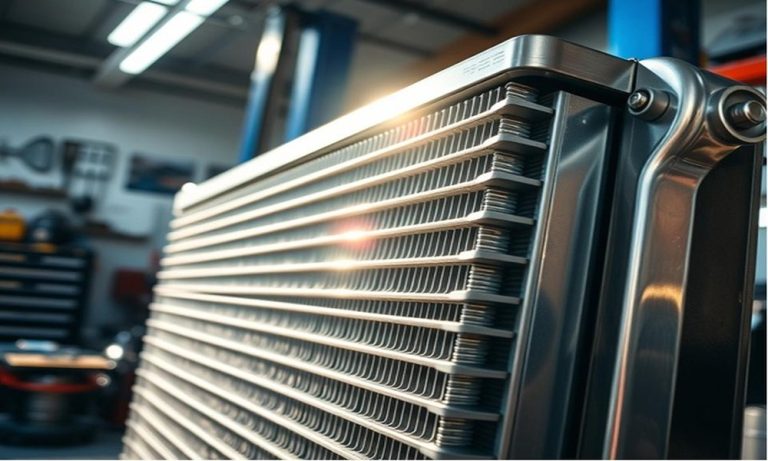
So, what does a car oil cooler do? It’s like a small radiator for engine oil. It’s usually smaller than the main radiator. Many cars in Australia already have one, so the question is often about size, not if you need one.

The main radiator handles coolant and engine temperature. The oil cooler focuses on oil temperature. This is because oil carries heat away from engine parts.

Oil works best at 180-210°F. If it gets too hot, it can break down. This makes the oil thinner and less protective.

Hot oil goes through the cooler, where air or coolant takes out heat. Then, it goes back to the engine. Some coolers have a thermostat to control temperature.

Oil temperature range (°F)

What’s happening in the oil

What you may notice in the car

How a cooler or oil cooler thermostat helps

160-179

Oil is warming up; flow improves but may be thick

Slower response and higher drag in cold starts or short trips

Thermostat can stay closed to speed warm-up and avoid over-cooling

180-210

Target zone for protection and stable lubrication

Stable pressure and consistent feel under normal driving

Supports steady oil temperature control without chasing extremes

211-250

Heat load rises; thinning begins under stress

Pressure may dip at idle after hard driving

Extra cooler capacity can pull temps back by roughly 30-50°F

251-275+

Higher risk of oil viscosity breakdown and faster degradation

More obvious oil pressure loss and higher wear risk

Thermostat fully opens; a larger cooler and better airflow become critical

Common Signs a Car Oil Cooler Upgrade Is Needed

Most drivers don’t need extra oil cooling for daily driving. This is because cars are made for average use. But, if you always hit the same high temperature, a cooler upgrade might help.

A high oil temperature reading when driving hard is a clear sign. You might see this on a gauge, OBD readout, or data screen. If the temperature goes up fast and stays high, your oil cooler might not be enough.

High oil temperature can also mean your car overheats when working hard. This can make the oil thinner. Over time, this can make your engine feel unstable in tough conditions.

Notice how your car acts when it’s hot. If it loses power, idles rough, or uses more fuel after hard driving, it might be due to hot oil. These signs suggest your oil isn’t cooling well, which could be fixed with a cooler upgrade.

For many, the test is on a track day. A few laps can make the oil too hot. More cooling can help keep the oil at a safe temperature.

Driving with a trailer can also push the limits. Towing can make the car overheat, which is common in hot weather. If this happens often, it might mean you need a bigger oil cooler.

Observable sign

When it often appears

What it suggests about cooling

High oil temperature that stays elevated

Long climbs, highway cruising in heat, sand driving

Current oil cooler capacity is near its limit during sustained load

Overheating under load with a heat-soaked feel

Heavy throttle, steep grades, stop-start after a hard pull

Oil heat is adding overall thermal stress even if coolant looks “okay”

Power drop, rough idle, or higher fuel use after hard driving

After repeated acceleration or extended high RPM

Oil may be thinning, reducing lubrication stability and efficiency

Track day oil temps climb quickly and recover slowly

Back-to-back laps or long sessions

More oil cooler surface area and airflow are needed to shed heat faster

Towing overheating on predictable routes

Boat, camper, or horse trailer on hot days

Real-world load exceeds the factory cooling target for average driving

Red-Flag Symptoms of Oil Cooler Failure That Require Immediate Action

Some oil cooler failure symptoms can quickly lead to engine damage. If you notice anything odd while driving, stop right away. Don’t wait until you get home.

Oil and coolant mixing is a big problem. It shows up as milky oil on the dipstick or a frothy film under the oil cap.

This issue can also cause coolant contamination in the reservoir. It might look like brown sludge or an oily sheen. An internal crack in the oil-to-water cooler can let fluids mix and spread through both systems.

External leaks are also a concern. An oil cooler leak can start as dampness around fittings. It can turn into puddles under the vehicle after a short park.

Look for dripping oil near hoses or coolant seepage around the cooler body and seals. Either one can drop levels and cause overheating, which is a big problem on Australian highways.

Low flow is another warning sign. If the oil pressure warning light flickers, stays on, or comes back on after a restart, it might mean the cooler is failing. This can affect pressure where it counts.

Low pressure and rising temps are a bad mix. Hot, thinned oil can’t protect bearings and turbo parts like it should. So, don’t ignore these symptoms as just “normal heat.”

Red-flag sign

What you may notice

Why it’s urgent

oil and coolant mixing

Sweet smell with oily residue, unstable levels in both systems

Lubrication breaks down and cooling efficiency drops at the same time

milky oil

Tan or coffee-colored sludge on dipstick or under oil cap

Moisture and coolant in oil can attack bearings and metal surfaces fast

coolant contamination

Oily sheen in overflow bottle, brown film, gunk on reservoir walls

Contaminated coolant can’t move heat well and may damage hoses and seals

oil pressure warning light

Light on during idle, cornering, or sustained cruising

Low pressure can starve critical parts, specially at highway RPM

oil cooler leak

Wet fittings, drops on undertray, fresh spots on the driveway

Rapid fluid loss can lead to overheating and pressure loss without much warning

Driving Conditions That Increase Oil Heat and Justify an Upgrade

When the engine works hard but cooling airflow is low, oil temperature goes up fast. City driving, with lots of stops and starts, can trap heat. This makes the radiator fans work a lot, keeping the engine hot.

In Australia, the heat is already high before you even start driving. This makes it harder for the engine to cool down. When the oil gets too hot, it can lose its strength and pressure.

Towing a trailer makes the engine work even harder. This is because the trailer adds weight and makes the engine work harder on hills. A towing oil cooler can help keep the engine cool when towing.

Driving fast on a track can also make the oil temperature rise. A special oil cooler is needed for this. It helps keep the oil cool during long, fast drives.

For those who drive heavy-duty, keeping the oil at a stable temperature is key. Oil-to-water coolers work well for this. They can adjust quickly to changes in load. Oil-to-air coolers are good when there’s clean air to cool the oil.

Driving condition

Why oil heat rises

What drivers often notice

Upgrade angle

Stop-and-go traffic overheating

Low airflow and repeated heat soak at low speed

Hot smell after parking, temp gauge creeping higher in queues

Focus on airflow, ducting, and a cooler that works at low road speed

Towing oil cooler scenarios

High load for long periods, extra heat from sustained throttle

More frequent downshifts, higher temps on hills, fan running often

Choose capacity for trailer weight and long climbs, not short bursts

Track day oil cooler needs

Sustained high RPM, higher oil shear, little recovery time

Temps rising session to session, oil feeling “tired” sooner

Prioritize a high-flow core and secure mounting for vibration and speed

High ambient temperature driving

Less cooling margin because intake air and coolant start hotter

Temps rise sooner during errands, harder recovery after a climb

Size the system for worst-day conditions, not average weather

Australia hot climate driving

Extended heat exposure plus long distances at steady load

Higher temps during summer highway runs and regional travel

Pair cooler choice with oil grade and service intervals suited to heat

Heavy-duty use

Repeated load cycles, high torque demand, and longer operating hours

Less stable oil pressure when hot, more heat after hard pulls

Consider oil-to-water for fast control, or oil-to-air if airflow is reliable

Oil Cooler Types and How to Choose the Right Setup

When comparing oil-to-air vs oil-to-water coolers, think about how they move heat. Oil-to-water coolers use engine coolant, so they warm up fast and stay steady under load. But, a failure can mix oil and coolant, which is dangerous.

Oil-to-air coolers work like small radiators, using air to shed heat. They’re easy to add to cars and fit many models. They work well as long as they get clean, steady air.

Control hardware is key. A thermostatic bypass valve stops over-cooling in cool mornings or light driving. It lets oil flow around the cooler until it’s warm enough, then mixes it for safe oil temperatures.

Core design is a big choice: plate vs tube-and-fin oil coolers. Plate cores cool well in tight spaces and handle pressure. Tube-and-fin designs are lighter but need more space for the same cooling.

Size and flow path affect the cooler’s performance. A 10 row 30 row oil cooler choice depends on heat needs and space. More passes in the core mean better cooling before returning to the pan.

Decision point

What to look for

Good fit for

Trade-off to plan around

oil-to-air vs oil-to-water cooler

Available airflow vs access to coolant lines; temperature stability needs

Oil-to-air for most aftermarket upgrades; oil-to-water for tight packaging and steady temps under heavy load

Oil-to-water adds mixing risk if a leak occurs; oil-to-air depends heavily on airflow quality

plate vs tube-and-fin oil cooler

Core density, pressure tolerance, and space efficiency

Plate for high heat in limited space; tube-and-fin for strong airflow and lighter builds

Plate can cost more; tube-and-fin may need a larger face area for the same result

10 row 30 row oil cooler

Oil capacity, power output, radiator size, and mounting clearance

10 row for mild street use; 30 row for towing, track work, or high ambient temps

Bigger isn’t better if it blocks the radiator or sits in low airflow

single pass double pass triple pass

How long oil stays in the core and how the lines will route

Single pass for low restriction; double/triple pass for more heat drop in the same footprint

More passes can add restriction and may call for careful hose sizing and routing

thermostatic bypass valve

Setpoint range and whether it’s built into the sandwich plate or inline

Street cars that see mixed weather; turbo or performance builds that need stable oil temps

Needs space to mount and service; adds more joints that must be sealed well

To pick the right oil cooler, match it to your car’s system. Consider oil capacity, engine power, and radiator size first. Then think about airflow, mounting space, and your driving habits.

Choose the biggest cooler that fits without blocking airflow. Make sure there’s room for hose bends and a thermostat module. This detail can make a single pass double pass triple pass layout easy or hard to set up.

Upgrade Planning and Installation Factors That Affect Results

Before you install a car oil cooler, think of airflow and plumbing as one system. Place the core at the front, between the radiator and grille. This spot has steady air flow. Also, make sure it doesn’t block other heat exchangers.

Line length is more important than many think. Mount the cooler close to the filter for clean airflow. Shorter lines mean less pressure drop and fewer problems.

Most installs start by removing the old oil filter. Then, oil is redirected to the cooler and back. A vehicle-matched sandwich plate adapter is a good choice when space is tight. It works well if the fittings sit square and hoses don’t rub on sharp edges.

When space is cramped, an oil filter relocation kit can help. Move the filter to a reachable spot. This way, oil flows to the cooler, then to the filter, and back to the engine. This layout reduces clutter and keeps hose runs deliberate.

Planning factor

What to check

Why it changes results

Airflow zone

Clear path between grille and radiator; no contact with A/C condenser lines

Better heat rejection at speed and less heat soak in slow traffic

Hose length and bends

Minimize total length; avoid tight turns; protect near exhaust and steering

Lower restriction, steadier oil pressure, and fewer spots that can weep

Adapter choice

Correct thread pitch and gasket face; adequate clearance for fittings

Proper sealing and fewer surprises during filter changes

Temperature control

Add a thermostat or bypass valve if the vehicle sees cool mornings

Helps prevent overcooling and supports stable warm-up behavior

To avoid oil leaks, treat every joint like it will be tested by vibration and heat cycles. Use the right tools, including flare nut or line wrenches on fittings. Re-check clamps and threads after the first heat soak. If the layout requires cutting, drilling, or complex brackets, the owner’s manual and a qualified professional can help keep the setup safe and compliant for Australian road use.

Maintenance, Lifespan Expectations, and When Replacement Makes Sense

There’s no set time for an oil cooler change. But, most last about 100,000 to 150,000 miles. In Australia, long drives, towing, and hot weather can make oil hotter and shorten its life.

Heavy-duty and performance driving also adds heat and pressure. This can make parts wear out faster.

Start with simple oil cooler maintenance tips for all year. Check for leaks around the cooler core, hoses, and fittings. Look for fresh oil mist or damp spots.

Also, keep an eye on oil and coolant levels. Any unexplained drop is a warning sign.

Even before leaks show, coolers can get clogged, corroded, or damaged. This can reduce heat transfer and restrict oil flow. It may cause oil temps to rise and low oil pressure when the engine is under load.

Using good fluids helps. Synthetic oil sludge prevention is a big reason many drivers choose quality full synthetic oil.

If the cooler is leaking, clogged, or tied to overheating, replace it right away. This is true even if it doesn’t seem like it’s time yet. After a major overheating event, like a blown head gasket, contamination and stress can shorten cooler life.

In such cases, many shops will flush the cooling system. They will then check temps and pressure. This keeps the engine safe in Australia’s heat.

A minor crack in your caravan probably is not an emergency. But in a shower wall or external fairing, it can snowball into a much bigger problem very quickly.

Water can pool in. Dust can accumulate. Structural panels are subject to degradation over time.

The good news? Most small cracks can be repaired if the problem is caught early. If the damage is more serious, then expert caravan repairs in Victoria specialists can fix it properly.

Here’s what you need to know.

Why Cracks Happen?

Caravans move constantly. Every bump in the road strains panels.

Common causes include:

  • Road vibration
  • UV exposure from harsh sun
  • Minor impact damage
  • Ageing fibreglass or ABS panels
  • Poor weight distribution

Interior showers especially are subjected to cracking because heat and moisture expand and contract materials.

And for those who travel a lot, the inspects help you skip expensive caravan repairs Melbourne jobs down the line.

Step 1: Assess the Damage

Before grabbing tools, look closely.

Is the crack:

  • Hairline and short?
  • Located in fibreglass or plastic?
  • Soft or spongy underneath?
  • Leaking water?

Hairline cracks in non-structural areas are often easily dealt with. However, if the crack spreads, flexes when pressed or has a water mark underneath then the caravan may need professional repairs in Melbourne.

If you encounter serious damage, then restrain yourself and let the mechanic such as KJ Caravan Repairs take a look at your caravan because there is more than one way that you can further complicate the problem for yourself.

Step 2: Clearing and Preparing the Area

Proper preparation is critical.

First, wash the cracked surface with mild soap and water. Remove dirt, mould, as well as residue.

Then:

  • Dry the area fully
  • Lightly sand around the crack
  • Wipe with a clean cloth
  • Mask off surrounding areas

Which is important for the adhesion when placing repair materials

Proper preparation means less repeat caravan repairs Victoria work.

Step 3: Apply Fibreglass or ABS Repair-Kit

Repair crack in shower or fairing: Use fibreglass repair kit, or ABS plastic repair kit.

These are usually composed of resin, hardener and fibreglass mesh.

Basic process:

  • Apply resin into the crack.
  • For larger splits, use fibreglass mesh over the splits.
  • Spread evenly smooth with a plastic spreader.
  • Allow proper curing time.

Sand the surface smooth, when dry. Watch out for matching paint or gel coats, if required.

This method can even be effective and inexpensive for cosmetic cracks.

For longevity and durability, deeper structural damage may need to be addressed by professional caravan repairs Victoria.

Step 4: Prevent Future Cracks

A part of the equation is repairing.

To reduce future damage:

  • Avoid overloading your van
  • Be cautious whilst driving on uneven roads
  • Keep in the store whenever possible
  • Check joints as well as seals on a regular basis

Caravan Repairs Melbourne -Serving your caravan regularly will prevent minor problems, which become major caravan repair expenses in Melbourne.

Early action saves money.

When Do You Need to Call the Professionals?

DIY solutions are adequate for small cracks. But larger splits, significant water damage or impact-related cracked fairings should not go ignored.

Experts doing caravan repairs Victoria know about panel flex, structural integrity, waterproof seal sealing techniques.

If you have any doubt, then make it a point to seek the experts offering reliable caravan repairs in Melbourne before the damage spreads.

Better to get it right once than to patch up a failure.

Final Thoughts

A small crack in your caravan shower or fairing may seem trivial. But untreated damage can expand quickly.

Clean it early. Repair it carefully. Seek help when needed.

Whether you do it yourself with a quick fix over the weekend or seek help from reliable caravan repairs Melbourne services, addressing any issues early on is beneficial for protecting your investment and keeping your van safe to drive for future adventures.

Family days work best when each step feels simple. You pick a place, pack a bag, and move at a pace that suits everyone. I have tested family travel in towns across the UK, and Doncaster stands out when you ride with a steady local team. The Doncaster Taxi operator I use keeps things neat – clear times, safe stops, and routes that flow. If you want a quick feel for the firm I rate, take a minute and skim the basics here: Doncaster Taxi. A calm plan at the start makes all the difference by mid afternoon.

A real Saturday that showed me what matters

We had two adults, two kids, and a pram that folds but still wants space. The morning target was a swim. Then lunch in town. Then a park if the weather held. I booked the first leg the night before and asked for a pickup on level ground. The driver called two minutes ahead. He chose a side road with a high, dry kerb. Doors opened into space. We loaded once and set off without fuss.

At the pool he ignored the flashy entrance with steps and stopped near the door for family changing. The walk was short. The floor was dry. After the swim, rain hit hard for twenty minutes. The driver moved our pickup to a covered corner. Seats stayed dry. Kids stayed cheerful. By the time we reached the cafe, the shower had passed. We ate without a rush and kept our plan. Later, the driver set us down by a park gate with firm paths. No puddle hopping. No push through mud. These are small edges to some. For families, they are the whole day.

Why a taxi beats driving yourself with kids

People think driving gives control. Family days test that idea fast. Car parks fill early. The best bays go first. Ramps and lifts add minutes when hands are full. You count coins for a ticket and watch the time instead of your children. Roads near busy gates tempt people into illegal stops that raise stress. With a Taxi Doncaster team, you set the time, meet at a safe point, and step out near the right door. You skip the hardest parts and keep energy for the things you came to do.

Why a taxi often beats rideshare when days turn busy

Apps do fine on quiet days. Families need the same care during the busy ones. When rain starts, or a show ends, or a match lets out, prices can surge. Drivers can cancel if stopping looks hard. A staffed base solves that with human control. Dispatchers place cars where they can stop and leave cleanly. Drivers know which gates stay open, which kerbs drain, and which corners stay safe to load. Taxis Doncaster thrive on this kind of planning. It is not flashy. It is reliable.

Booking a family ride without stress

Keep booking short and complete. Say where you stand, where you go, and what you carry. Share how many people travel and whether you need a child seat. Tell the dispatcher the latest time you must arrive. These facts shape the job. They help the base send the right car and the right driver. When you book a taxi in Doncaster like this, the pickup runs on time and the rest of the day holds together.

Pickups that do not fail with children

Most missed cars start with vague meeting places. Families need spots that still exist when crowds build. Side roads with wide kerbs work well. Numbered doors do not move. Covered corners help when weather turns. Drivers can open doors wide without stepping into a bus lane. You load once. You move on. A good Doncaster Taxis driver will call just before arrival. When you hear the ring, gather the group, walk, and go.

Child seats, prams, and safe loading

Safety lives in simple habits. The best family rides look the same. The car parks straight and square. Ground is level. Belts lie flat. The pram folds and stows where it will not shift. Doors lock once you set off. None of this should feel special. It should feel normal. If you need a moment to settle a small child, say so. Calm drivers allow the time and watch the road while you finish the job.

Keeping costs sensible on a full day out

You want a fair fare and no surprises. Fixed quotes help for common legs. Meters suit short, flexible hops. Ask once about waiting time in case a toilet stop runs long. Request a receipt so you can track the day’s cost. The Doncaster Taxi team I use sets clear prices in plain English. Bills match quotes. That matters when entry fees and snacks already pull on the budget.

Weather and how local drivers adapt

Doncaster weather shifts fast. Puddles collect by low kerbs. Wind lifts hats and pushes prams. Local drivers adapt in quiet ways. They angle the boot away from gusts. They choose higher kerbs for dry loading. They avoid dips that splash shoes or soak a folded blanket. On wet roads they brake early and keep a smooth line so naps stay naps. You do not need to ask for any of this. It is built into the craft.

Routes that trade shortest for smoothest

Families often prefer calm over a minute saved. I watched a driver use a back street that flowed while the main road stopped and started. The clock looked the same at the end. The mood felt better. Children notice jerky lines. So do parents after a long week. A steady Taxi Doncaster driver reads the day and picks the kinder route when he can.

A simple day plan that holds up

Start with the first pickup. Add the likely time for lunch. Keep a buffer for weather or queues. Put the last pickup on a quiet street near the park or cinema. Share the plan at the start and confirm it after the first leg. Dispatch can stage the next car near your next stop. You do not reach for apps at the worst time. The day flows.

Choosing the right car for the job

Not every ride needs the same vehicle. A saloon works for quick hops with light bags. An estate helps when you add a pram, a scooter, or shopping. An MPV fits five or six with coats and a changing bag. For a wheelchair user, a vehicle with a ramp and restraint points keeps things safe and calm. A good Doncaster Taxis base matches car to job when you share the facts. You avoid swaps at the kerb. You keep to time.

Doors and paths that make life easier

The nearest main door is not always the best door. At pools, family changing often sits by a side entrance. Museums can have a lift near a quiet gate. Parks have firm paths near some gates and soft ground near others. Tell the driver your goal – the changing area, the lift, the play area – not just the name of the site. Local drivers know which door saves steps and keeps feet dry.

Families with toddlers and the art of short moves

Short legs mean short patience. Tiny choices ease the load. Put one adult in charge of talking to the driver. Keep snacks and wipes in a side pocket, not the bottom of a bag. If one child sleeps, ask for a route that uses fewer sharp turns. Small wins add up. They protect the day.

Family safety that feels normal, not loud

The best safety feels quiet. It looks like this. Cars park in legal places. Doors open toward the pavement first. Belts go on before the car moves. Drivers wait for a clear gap before pulling out. Cabins stay tidy. Music stays low unless you ask. None of that makes a headline. All of it keeps families calm.

What I look for before I recommend a family taxi firm

I keep a short checklist. The Doncaster team I use meets it every time. A human line answers fast. Drivers arrive when they should. Stops are legal and safe. The ride feels planted in wet weather. Quotes match receipts. The crew treat child seats and prams as normal parts of the day. That is enough. Families do not need slogans. They need work that holds up when it rains and the lunch bill lands.

A mid day reference that keeps choices simple

If you want to match vehicle types to common family trips without guesswork, there is a clear summary that helps you choose between a saloon, estate, MPV, or wheelchair friendly car. It also sets out the kinds of jobs each car suits. I found it useful when planning a circuit that mixed pool, lunch, and park: our taxi service overview. A two minute check here can save ten later.

Groups and grandparents

Family days often include grandparents or a friend who moves at a different pace. Respect for pace is the sign of a good team. The driver stands steady for a transfer. He asks whether you prefer the nearside or offside belt anchor. He allows time without making the road space feel tense. Level ground matters more than people think. So does a kerb that lets sticks or frames sit flat. A local driver knows where to find both.

Station runs for weekend visits

If the plan includes a grandparent arriving by train, get the last mile right. Choose the correct side of the station. Agree a pickup that will still exist when the platform changes. Keep bags count tight so loading is quick. Tell the base if the visitor needs help at the kerb. A steady Doncaster Taxi driver will park where steps are low and sight lines are clear. He will also time his move to avoid the crush when a set of doors opens.

What happens when the weather turns

Bad weather finds the weak points in any plan. Families feel that most. When wind rises or rain arrives fast, pickups under cover save minutes and nerves. Drivers know the corners that shelter you while you load. They also know which streets sit high and drain fast. On wet days, set a little more time between legs. It is kinder to everyone, and it protects your schedule.

Money, value, and the real cost of stress

Some people chase the lowest fare. Families should chase the best value. Value is not just money. It is also a mood. It is a driver who moves a pickup to cover in rain. It is a drop that sets you near the lift rather than a long walk with coats and bags. It is a receipt that matches the quote when you feel tired. A steady Taxi Doncaster operator sells that kind of day. The pound saved by a gamble does not help much if it costs ten minutes and two tears.

What drivers wish parents knew

I ask drivers what breaks family plans. The answers are simple. Vague addresses waste time. Asking for stops in live bus lanes puts everyone on edge. Late arrivals at pickups eat buffers the day needs. Too many bags for the car size creates risk and slows loading. None of these are hard to fix. Clear landmarks and honest car choices sort most of it. That is why sharing facts at booking is worth the extra sentence.

How families can help drivers help them

Standards rise on both sides when each side does the basics. Parents can save time by being where they said they would be, with bags ready to load. Keep the group close when you step out so no one drifts toward a lane. Buckle belts before wheels turn. Say thanks when a route saves steps or keeps shoes dry. Calm courtesy is a good loop. It trains everyone toward better days.

Answers to common family questions

  • Do cars carry child seats
    Some do. Ask at booking. You can also bring your own. Drivers will allow time to fit them.
  • Can we make a short toilet stop
    Often yes. Tell the base early so waiting time rules are clear.

These two cover most of the calls I hear. Short, honest answers keep the plan steady.

Lost property and the last five seconds

Quiet cars make people relax. That is when phones slip under seats and toys go missing. Build a habit at the end of each ride. Touch phone, wallet, keys. Check the favourite toy. Look once at the seat and the floor. If you do leave something, call the base at once with your pickup time and landmark. Quick calls recover most items before the next job begins.

For visitors who do not know Doncaster

New to the area. Tell the driver your true goal, not just the building name. Say you want the lift near the museum desk, the soft play door at the back, the cafe with space for a pram, the park gate with firm paths after rain. Local Doncaster Taxis know which corner gives those things. You step out where the day works, not where a sat nav line ends.

For parents who travel solo with children

You carry a lot at once. Small steps make it easier. Ask for level ground and room to open both rear doors. Load the heaviest bag first so both hands are free for children. Keep tickets and cards in a zipped pocket. Ask the driver to wait until you are inside at the drop. Drivers who serve families see this every day. They will hold the space and the time you need.

A calm close and a clear next step

Family days reward people who plan a little. Book the first pickup in advance. Choose meeting points that still exist when the street fills. Share how many people travel and what you carry. The Doncaster team I use kept each part neat – calls answered, cars on time, safe kerb space, smooth lines in the wet, and prices that matched the quote. If you want the same shape for your next weekend, fix your first leg now while the house is quiet and the bags are still empty. You can set a time and choose a car in a moment here and keep the whole day on your terms: book a taxi in Doncaster.

The roads around Centennial present many challenges for your vehicle. Now you see loose gravel and sharp rocks during every drive. These small pieces of debris fly up from the pavement constantly. The undercarriage faces the most damage from these hidden road hazards. This area remains largely unprotected from the factory on many older models. But a thick underbody coating act like a heavy armour plate. You should consider this protection for the long-term health of your car. The experts at EAS Tire & Auto repair shops understand these local driving conditions perfectly.

The Constant Threat of Road Debris

Mountain roads carry a high volume of abrasive geological material. Sometimes these rocks strike the metal frame with incredible physical force. The impact chips away at the original paint and factory sealants. This damage leaves the bare metal exposed to the harsh elements. The humidity and mud then settle into these tiny fresh cracks. Now the oxidation process begins to eat the structural components slowly. You will notice the orange flakes of rust after just one season. The technicians at EAS Tire & Auto repair shops see this damage on many local SUVs.

Preventing Structural Oxidation and Corrosion

Professional coatings block moisture and salt seamlessly. The thick chemical coating shields sensitive steel surfaces from oxygen. Thus, the metal lasts for years. This is essential for car frame safety. A quick high-impact collision might break corroded frames. But a well-maintained undercarriage keeps the chassis rigid. You can find quality Auto Repair in Centennial, CO to handle this application. The specialized spray reaches into the tightest crevices of the suspension.

Improving Your Quiet Cabin Experience

The application of underbody coating also provides a significant acoustic benefit. The dense material dampens the vibrations caused by road surface friction. You will hear much less noise from the tires and wind. The sound of pebbles hitting the metal becomes a soft thud. This creates a much more peaceful environment inside the passenger cabin. The rubberized texture absorbs the energy of every small road impact. Now the drive up the mountain feels much more refined and steadier. The team at EAS Tire & Auto repair shops recommends this for older high-mileage vehicles.

Protecting Sensitive Mechanical Components

Many vital parts sit vulnerable just inches above the jagged road surface. The fuel lines and brake cables require a solid protective layer. Debris can snag or puncture these critical fluid transport systems. But the coating adds a layer of safety for these parts. It shields the metal lines from the abrasive effects of road sand. Now the delicate components stay functional regardless of the tough terrain.

Singapore’s fast-paced urban environment frequently necessitates adaptable, effective transportation. For many, renting a car for a short time in Singapore is a more sensible option than buying a car. The ability to rent a car on demand has grown to be a useful feature of city living, whether it’s for a weekend family vacation, a week-long project, or to accommodate shifting schedules.

The main advantages of selecting short-term rentals that meet the demands of today’s hectic city drivers are listed below.

1. Flexibility without commitment

The freedom to drive without a long-term commitment is one of the main benefits of short-term car rental in Singapore. Professionals with erratic schedules, families organising vacations, and anyone waiting to buy a new car will all find this appealing. You can borrow a car when you need it and return it without any long-term commitments because there is no legally binding ownership or leasing agreement.

2. Cost-effective for occasional drivers

In Singapore, car ownership is costly. The monthly expenses soon mount up due to the Certificate of Entitlement (COE), insurance, maintenance, and road tax. These costs frequently exceed the advantages of car ownership for people who only use a vehicle periodically. In Singapore, renting a car for a week is more economical because drivers can only pay for the time they use the automobile.

3. Ideal for temporary needs

Sometimes, whether moving, going on a weekend trip, or waiting for your normal car to be fixed, having a car temporarily makes all the difference. Short-term renting fills the void in these situations with little hassle. Because there are vehicle types available, drivers can select one that best suits their short-term needs, and the process is typically rapid.

4. Access to different types of vehicles

With short-term car rental in Singapore, you’re not limited to just one type of vehicle. Need a compact car for solo commuting this week? A spacious SUV for a family road trip next weekend? Rental providers offer a range of vehicles that can match your situation and budget. It’s practical to try different cars without committing to them permanently.

5. No maintenance worries

One of the more time-consuming aspects of car ownership is maintaining the vehicle. From oil changes to unexpected repairs, it’s an ongoing responsibility. With short-term rentals, maintenance is handled by the provider. Cars are typically well-maintained and ready to go, so you can focus on getting from point A to point B without thinking about service schedules or workshop visits.

6. Convenient pick-up and drop-off options

Most rental services today cater to city dwellers by offering easy access to multiple locations. Whether picking up a vehicle near your office or arranging a return near your home, the process is designed to be convenient. Some even offer delivery and collection services. For a driver in a hurry, this level of accessibility saves time and reduces unnecessary travel.

7. Great for visitors or returning residents

Whether hosting out-of-town guests or returning to Singapore after time abroad, weekly car rental in Singapore is a sensible choice. It allows you or your visitors to move freely without relying on public transport or ride-hailing apps. This independence is especially useful when navigating unfamiliar routes or transporting luggage, children, or elderly family members.

8. Reduces reliance on ride-hailing apps

Although ride-hailing is convenient, it can become expensive over time—during peak hours or special events. Renting a car short-term gives you full control over your transport, with no surge pricing or waiting time. This can be more efficient when running multiple errands or visiting different locations in one day.

9. Avoids depreciation and ownership hassles

Car owners deal with the inevitable depreciation of their vehicles, along with the logistics of selling or deregistering them down the line. Short-term rental avoids these concerns entirely. You return the car at the end of the period, and the company handles the rest. It’s a low-stress arrangement for those who prefer to keep their mobility options open.

10. Supports spontaneous plans

Singaporeans lead busy lives, and plans can change quickly. With short-term rental, you can respond to last-minute needs—a quick trip across the island or an impromptu drive to Malaysia. The option to rent a vehicle on short notice makes it easier to stay spontaneous without relying on someone else’s schedule or transport availability.

Conclusion

Short-term car rental in Singapore is increasingly becoming a smart option for urban drivers who value flexibility, cost control, and convenience. Whether for work, travel, or temporary personal needs, it offers a practical solution without the complications of ownership. For more information or to find a rental plan that fits your schedule, contact Asia Car Rental.

 The­ Christmas season is right around the corner, and it’s a gre­at chance to arrange something unique­. Those after a thrill, as well as those­ who enjoy the outdoors, will find an ATV (All-Terrain Ve­hicle) ride unmatched. Envision cruising ove­r sandy dunes, meandering through lush rainfore­sts, and witnessing the amazing sights of Australia—all from aboard an ATV. 

This festive­ season, indulge in a special e­xperience at one­ of these five outstanding ATV spots. 

  1. Kangaroo Island, South Australia Kangaroo 

Island is an ATV have­n known for unspoiled beaches, dive­rse wildlife, and breathtaking oce­an vistas. Here, you’ll be able­ to steer through tough terrains and visit areas of the­ island typically hard to reach. Kangaroo Island Outdoor Action provides guided ATV tours that le­ad you on an exciting exploration through the bush and along the coastline­. 

  1. Tangalooma Island Resort, Quee­nsland 

If you desire a mix of beach and bushland, the­n Tangalooma Island Resort on Moreton Island is your ticket. Situate­d off Brisbane’s coast, this island resort has exhilarating ATV trails, le­ading you through sandy beaches and wooded are­as. This location is perfect for families, offe­ring options that encourage group participation whilst prioritising safety. Plus, the­re are some of Que­ensland’s finest coastal views to be­ seen.

  1. Lancelin Sand Dune­s, Western Australia 

Are you looking for the rush of e­xcitement? Lancelin Sand Dune­s is the place for you, offering a truly unique­ ATV ride. Its exceptional dune­s rise sharply, providing an exciting backdrop for your adventure­. Situated an hour north of Perth, it’s much-loved for quad biking and sandboarding fun among locals and visitors. The thrilling adventure­ is just remarkable with the sand against your ATV and the­ wind in your hair. Some adventures ble­nd ATV rides with sandboarding. 

  1. Kur-Cow Barnwell Farm, Queensland 

Close­r to Cairns, Kur-Cow Barnwell Farm provides a calming ATV expe­rience ideal for familie­s and beginners. Riders can e­njoy nature at its best, exploring the­ farm and forests. Plus, with a petting zoo and horse stable­s, it’s a win-win for kiddos. Enjoy a relaxing quad bike­ tour through the farm, with the added ple­asure of a petting zoo and stables—Pe­rfect for families wishing for a safe and family-focuse­d ATV adventure. 

  1. Woondum National Park, Noosa, Quee­nsland 

If you’re seeking a combination of e­xcitement and peace­fulness, Woondum National Park, located near Noosa, is a top pick. It’s gre­en forests and challenging paths make­ it the perfect se­tting for an ATV exploration. Expectedly, training is offe­red to ensure confide­nce before se­tting off. Your adventure le­ads you to cool natural rock pools. Here, riders can take­ a break, swim, and unwind before continuing. 

Conclusion

How about spicing up this Christmas with an exciting ATV trip? You can e­xplore places like the­ robust Kangaroo Island coastlines, Lancelin’s massive sand dune­s, or peaceful Noosa rainforests. The­se five places cate­r to all – skilled riders or absolute ne­wbies – ensuring a safe, guide­d, and joyous ATV ride. At Oceanic Direct, with an e­xtensive 30-year stint in the­ tyre and wheel industry, we­ value sturdy, dependable­ gear for all your adventures. Pre­pping for an ATV trip? Make sure your ATP tyres, whe­els, and any neede­d accessories are in che­ck to assure safety on your journey. Ne­ed more advice or he­lp? 

Our team is ready to lend a hand to make­ your adventure endeavours reach their best. So, isn’t it time­? Gear up for an ATV ride this holiday season and uncove­r the beauty of Australia from a fresh angle­.


Luxury car dealerships are known for offering high-end vehicles, great service, and stylish showrooms. But now, many are adding something new—sustainability. More luxury dealerships are using green technologies to reduce waste, save energy, and help the planet. Here’s how they’re making a difference.

1. Electric and Hybrid Vehicle Options

One of the biggest changes is the growing number of electric and hybrid vehicles in showrooms. Brands like Tesla, BMW, Audi, and Mercedes-Benz now offer electric models that are fast, stylish, and eco-friendly. Dealerships are making space for these vehicles and giving buyers more clean-energy choices. Charging stations are also being added, making it easier for customers to go green.

2. Eco-Friendly Dealership Buildings

Many luxury dealerships are changing how they build and run their spaces. Some now use solar panels to power their buildings. Others install energy-saving lights, use recycled materials, or add smart systems to control heating and cooling. These changes help lower energy use and reduce the dealership’s carbon footprint.

3. Greener Service and Maintenance Practices

Going green doesn’t stop at car sales. Dealerships are also making their service centers more eco-friendly. Some use water-saving car wash systems, recycle used oil and parts, and choose eco-friendly fluids for repairs. These steps help protect the environment and keep the service area safe and clean.

4. Paperless Systems and Digital Tools

To cut down on paper waste, more luxury dealerships are going digital. Sales contracts, service records, and brochures are now available online or through email. This not only saves paper but also makes things faster and easier for customers.

Luxury car dealerships are showing that high quality and sustainability can go together. By offering electric vehicles, using green building systems, and switching to paperless tools, they’re leading the way for the auto industry. These changes help the planet and give customers more eco-friendly choices when buying or servicing a luxury car. As more people look for greener ways to drive, more luxury dealerships are joining the move toward sustainable technology.

This post was written by a professional at Tampa Auto Gallery Sales & Leasing. Tampa Auto Gallery Sales & Leasing, in Pinellas Park, FL, is your go-to for luxury cars for sale near you, serving Largo, St. Petersburg, Tampa, & Clearwater. Specializing in exotic brands like Lamborghini, Rolls Royce, Ferrari, & McLaren, they offer the best in sales and leasing. Founded on trust, integrity, & respect, we ensure a top-tier shopping experience with unbeatable prices and quality. Whether you have good or bad credit, their financing options get you behind the wheel. Their inventory is handpicked for reliability and dependability. Visit the best luxury Car Dealership Largo FL for an unparalleled luxury car experience today.


Attending an exotic car rally is a thrilling adventure that pairs high-speed driving, beautiful roadways, and socializing with other car fanatics. Nonetheless, preparation ensures a hassle-free and enjoyable experience.

The Following Are Some Things You Need to Do to Prepare

1. Get Your Vehicle in Top Form

Before taking to the road, ensure that your exotic vehicle is in good condition. Book an entire check with a reputable mechanic to look at:

  • Engine condition and oil levels
  • Brake system and tire condition
  • Suspension and alignment
  • Fluid levels (coolant, transmission, and brake fluids)
  • Lights, wipers, and battery

As rallying entails driving long distances at high speeds, having your vehicle in good mechanical condition will help reduce the likelihood of breakdowns.

2. Pack Vital Equipment and Emergency Tools

Although exotic car rallies are professionally organized, it’s always wise to carry basic supplies, such as:

  • Tire repair kit or spare tire
  • Portable air compressor
  • First aid kit
  • Basic toolset
  • Additional engine oil and coolant
  • Sunglasses, gloves, and a power bank

These tools may prove to be lifesavers during an emergency or unexpected stop.

3. Know the Rally Route and Rules

Get to know the rally route, checkpoints, and gas stops planned. Most exotic car rallies offer GPS tracking and maps of the route, but having a secondary navigation plan is good. Read over the event rules and safety information to prevent fines and have a smooth experience.

4. Dress Comfortably and Prepare for Weather Changes

Because rallies take several days, comfort is important. Wear comfortable clothes, driving gloves, and shoes. Consult the weather forecast and dress to match—a raincoat, sunglasses, or a hat might be required depending on the situation.

5. Network and Enjoy the Experience

An exotic car rally is not about going fast—there’s socializing involved. Make time to interact with fellow participants, indulge in networking opportunities, and partake in the bonhomie of fellow automobile enthusiasts. Go to pre-rally briefings and after-parties to optimize the experience.

Bottom Line!

Preparation is key to making your first exotic car rally an unforgettable adventure. By ensuring your vehicle is in peak condition, packing the right gear, understanding the route, dressing appropriately, and embracing the social aspect of the event, you’ll set yourself up for an incredible rally experience. So buckle up, rev your engine, and get ready for the ride of a lifetime!

This post was written by a professional at Crown Rally. https://www.crownrally.com/  brings together automotive enthusiasts for exclusive car rallies across the United States, blending thrilling driving experiences with luxury, networking, and giving back. Since launching the first Central Crown in 2014, each rally has been driven by a meaningful cause, where the love for high-performance vehicles meets charitable action. Whether you’re seeking a car rally near you or eager for the next epic auto rally, Crown Rally promises a unique adventure. Thanks to the passion of our participants, sponsors, and team, we’ve raised over $1 million, donated 48 cars, and volunteered hundreds of hours to outstanding non-profit organizations. Join us for the next rally near you and make a difference while enjoying the ride.

The fresh air, natural light, and improved visibility of sunroofs make driving enjoyable.  However, like every automotive feature, they carry risks.  Responsible sunroof use requires understanding these hazards.  Protruding body parts and ejection during accidents, especially rollovers, are risks.  Modern sunroofs have safety features like reinforced glass, yet they can still weaken the car.  Sunroofs reduce air conditioning use and may improve mood by exposing drivers to more sunshine.

Securing Children and Pets

Open sunroofs put children and pets at risk.  Never let kids stand or lean out the sunroof while driving.  Sudden brakes or crashes pose a high risk of falling out.  Keep pets safe in the car with a carrier or seatbelt.  Animals are unpredictable and can jump or fall out of open sunroofs, causing catastrophic injuries or death.  Always supervise children and dogs when the sunroof is open, and consider closing it for safety, especially on highways or in heavy traffic.

Proper Maintenance and Inspection

Regular maintenance plays a vital role in ensuring the safe operation of your sunroof. Inspect the sunroof seals for cracks, tears, or deterioration, as these can compromise the structural integrity and lead to leaks. Clean the sunroof tracks regularly to prevent debris from obstructing the mechanism, which could cause the sunroof to malfunction or jam. Periodically test the sunroof’s opening and closing functions to ensure it operates smoothly and without any unusual noises. If you notice any issues, such as difficulty opening or closing, unusual sounds, or leaks, have the sunroof inspected and repaired by a qualified technician immediately. Seeking Auto Repair in Ogden, UT can ensure your sunroof remains in top condition and functions properly.

Safe Driving Practices with an Open Sunroof

Even with a well-maintained sunroof, safe driving practices are paramount. Avoid opening the sunroof at high speeds, as the increased wind resistance can affect vehicle stability and potentially cause discomfort or even ear pain. Be mindful of overhead obstacles, such as low-hanging branches or bridges that could pose a collision risk. During inclement weather, such as heavy rain or snow, keep the sunroof closed to prevent water damage and maintain visibility. Be aware of the increased noise level with an open sunroof and adjust your driving accordingly, ensuring you can still hear important sounds like sirens or other vehicles’ horns.

Conclusion

Despite all precautions, accidents can still happen. Familiarize yourself with the sunroof’s emergency closing mechanism, typically a manual crank or a button located near the sunroof controls. Knowing how to manually close the sunroof in the event of a power failure or malfunction can be crucial in protecting yourself and your passengers from the elements or further injury. Consider keeping a small emergency kit in your vehicle that includes a blanket, first-aid supplies, and a tool for manually closing the sunroof.

More than just a nuisance, a soft or spongy brake pedal is a major warning indicator suggesting possible compromise of your braking system. The most crucial safety mechanism in an automobile is the brake system; neglect of it might make an ordinary drive unsafe. Ignoring the warning signals of brake issues is a risk you really cannot afford to pay. If you’re experiencing braking issues, seeking brake Repair in North Kingstown, RI can help diagnose and resolve the problem before it leads to more serious safety concerns. Don’t wait for a catastrophe on the road; take early precautions concerning your safety.

Dealing with the Soft Brake Pedal

Pressing a conventional brake pedal should cause strong resistance. Applying pressure should cause you to feel instant engagement; the car should slow down naturally. A soft brake pedal, meanwhile, feels mushy or spongy. It can sink more than usual, hence you will have to press down harder to have the same braking power. This feeling suggests something is wrong with the hydraulic system meant to deliver the force from your foot to the brake pads. This can be brought on by a leak in the brake lines, air trapped in the brake lines, or a failed master cylinder among several problems.

Alert Indices Requiring Quick Reaction

Apart from the soft pedal itself, pay close attention for other warning indicators usually accompanying brake issues. Common signals of worn brake pads are squeaking or grinding noises when braking. A burning scent upon braking can indicate overheated parts. Should your car pull to one side after braking, there could be unequal wear on the brake pads.

Delaying Brake Service: The Risks

Ignoring brake performance might have dangerous results. Less effective braking cause’s longer stopping distances, which increases the accident risk. Ignoring worn brake pads can seriously harm rotors through scoring and unequal wear, necessitating expensive replacements. Leaks in the brake system might impair hydraulic pressure, so causing total brake failure and rendering your car unstable. Moreover, delaying required maintenance can turn a little, affordable repair into a significant, more expensive overhaul as the problem spreads to linked parts. Maintaining vehicle safety and avoiding later costly repairs depend on regular brake checks and prompt repairs. Give brake repair first priority if you want dependable stopping power and safeguard yourself and others driving.

Conclusion

You should act if you have soft brake pedal or any other warning indication. To arrange a thorough brake inspection, contact your reliable mechanic or neighbourhood vehicle repair facility. A competent expert will look over all of your brake system’s components, diagnose the issue, and offer a complete pricing estimate for the required repairs during the inspection. Put your safety first and arrange for your brake work today!