Author

Paul Petersen

Browsing

Whenever you are inside your car or in the neighborhood and a burning of a smell fills the air that comes into your car, it could be an indicator of an impending mechanical issue. The problem can be with the power steering system when this smell is observed to be accompanied with heavy steering.

How Power Steering Problems Make Your Steering Wheel Hard to Turn

Several hints of heavy steering are usually signs that the system of assistance is not functioning properly any longer. In hydraulic power steering, a fluid is pressurized through the steering system to aid in steering. In case the pump gets old or when there is a decrease in the level of fluid, steering assistance could be compromised. It is possible to observe that it takes more physical effort than normal to turn the wheel. The issue may be more evident during parking or low speed movement. An expert Auto Repair in Wyoming, MN company has the ability to check the system with a fault and notice the reason before the fault can develop.

Early Warning Signs of Power Steering System Failure

Heavy steering and a burning smell are not the only signs of a possible power steering problem. A whining noise may be heard when turning the wheel by drivers. Certain vehicles can start making a groaning sound when they are parked. The steering pump and other associated parts can be checked by Lenfer Automotive & Transmission to be in a position to repair or replace it.

Why Ignoring Burning Smells and Heavy Steering Can Be Risky

Car operation and steering on a car with a steering that is developing may cause further burden to mechanical parts. It is possible that a damaged pump will soon cease to be able to help sufficiently. This can cause steering wheel to be very difficult to turning at an emergency maneuver. Fluid loss can also be rapid, and lead to additional deterioration through a leaking system. The smoldering odour can be a sign of an overheat, which should be looked into. Based on the state of the car, Lenfer Automotive & Transmission will be in a position to determine the issue and prescribe appropriate repair.

Accurate Diagnosis and Timely Repairs to Restore Steering Performance

When burning smells and heavy steering are observed simultaneously accurate diagnosis is necessary. The level of power steering fluid and the pump can be looked into by a skilled technician. The technician will also have the ability to check damages and leaks on drive belts and hoses. Electric power steering of vehicles will require new types of checks as it might involve an electric motor and electrical controls rather than hydraulic aid. By Lenfer Automotive & Transmission, it is possible to determine the place where the symptoms originate and discuss the possible way to repair them.

The suspension system keeps a vehicle stable while travelling across different road surfaces. Worn struts can gradually reduce this important ability during everyday driving conditions. Now excessive bouncing may become noticeable after passing over bumps or uneven roads. The vehicle may continue moving up and down after the road becomes smooth. This behavior often indicates that the struts are no longer controlling suspension movement properly. Auto Repair in Wyoming, MN service can help identify worn components before handling becomes increasingly uncomfortable or unsafe.

Struts Lose Their Ability to Control Suspension Movement

Struts contain components that help control how quickly suspension movement occurs. When internal parts become worn, the strut may struggle to absorb road movement. The spring can continue compressing and extending without proper damping control. So, the vehicle may bounce several times after crossing a rough surface.

Damaged Struts Can Affect Vehicle Stability

The condition of struts also influences how firmly the vehicle remains connected with the road. Worn components may allow excessive body movement during acceleration and braking. Now cornering can also feel less controlled when suspension movement becomes excessive. The vehicle may lean more noticeably when entering or leaving a bend. Lenfer Automotive & Transmission can inspect the suspension system to determine whether strut deterioration affects overall vehicle control.

Braking Performance May Also Feel Different

Suspension condition can influence how a vehicle behaves during braking. Worn struts may allow the front section to move excessively when braking begins. The vehicle can feel less settled while weight transfers toward the front wheels. Now stopping may feel different even when the braking components remain functional. Excessive suspension movement can also reduce confidence when braking over uneven surfaces. Lenfer Automotive & Transmission can assess the struts along with related suspension components during an inspection.

Ignoring Worn Struts Can Create Additional Problems

Continued driving with severely worn struts may place additional stress on other suspension components. Mounts bushings springs and tires can experience unusual movement during regular journeys. Replacing worn struts at the appropriate stage can help restore controlled suspension movement. Lenfer Automotive & Transmission can determine whether replacement or further suspension inspection is appropriate for the vehicle.

FAQs

Can Worn Struts Make a Vehicle Feel Unusually Light After Bumps?

Yes. Poor damping can make the vehicle feel temporarily unsettled after suspension movement.

Why Does Bouncing Sometimes Become Worse with Passengers Inside?

Additional weight changes suspension loading and can expose weak damping more clearly.

Can Worn Struts Cause a Delayed Return After Road Impacts?

Yes. Damaged damping may allow suspension movement to continue longer than expected.

Does Excessive Bouncing Always Mean the Struts Require Replacement?

Not always. Springs mounts bushings and related components can create similar symptoms.

Can Worn Struts Change the Feeling Through the Steering Wheel?

Yes. Reduced suspension control can sometimes create unusual steering sensations over uneven surfaces.

The heart of your automobile quietens your daily commute. This tiny component delivers energy to the engine smoothly. Most drivers ignore the humble fuel pump completely. But a failing pump changes your driving experience drastically. You will feel the difference in acceleration immediately. Sudden jerks ruin your peaceful weekend morning drives. Reliable pressure creates a very responsive throttle pedal. Therefore, the engine receives the exact fuel amount. You enjoy a seamless connection with the road. The machine responds instantly to your foot pressure. A healthy system guarantees absolute peace of mind. Now, let’s explore how this part affects you.

The Smooth Surge of Linear Acceleration

A healthy pump provides a steady fluid stream. The engine breathes easily during rapid highway overtaking. Your car moves forward without any hesitation now. But a weak pump starves the combustion chambers. The vehicle stumbles when you press the gas. This hesitation creates a very dangerous highway situation. You need instant power to avoid traffic hazards. Smooth acceleration makes daily commuting highly enjoyable instead. The machine glides effortlessly through busy city streets. Proper pressure transforms your ordinary morning drive completely. Consequently, the vehicle behaves exactly as you expect. You feel total control over the machine. Reliable performance brings back the joy of driving.

Preventing the Nightmare of Sudden Breakdowns

A dead pump leaves you stranded on highways. The engine cranks over but refuses to start. This stressful situation happens at the worst time. You wait hours for an expensive tow truck. But regular maintenance prevents these terrible highway nightmares. Early diagnostics reveal hidden pressure drops quite easily. You can fix the issue before total failure. Expert mechanics handle these precise replacements very quickly. For top results, choose Zeger’s Automotive for your maintenance. Experienced technicians diagnose the system with advanced tools. They restore your factory performance using quality parts. Trust Zeger’s Automotive to keep your vehicle completely safe. You avoid the high cost of emergency repairs.

Conclusion

Your driving experience depends heavily on fuel pressure. A strong pump ensures responsive and smooth acceleration. You avoid the dangers of sudden highway stalling. Consistent fuel delivery brings back your driving confidence. For professional help, visit Zeger’s Automotive for expert service. They understand the subtle needs of your vehicle. Do not ignore the early signs of failure. Address the issues through quality Auto Repair in Columbus, NE services. A small investment protects your daily transport needs. You deserve a smooth and reliable journey everywhere. Keep your fuel system in perfect working order. Enjoy the open road with total peace of mind.

If you already own diesel equipment, you know fuel system problems rarely happen without warning. Cold weather, low lubricity fuel, injector buildup, and water contamination usually build over time. The best way to avoid expensive repairs is to stay ahead of those issues with the right maintenance products.

One company I recommend looking at closely is Howes. They have spent more than a century building diesel fuel additives, penetrating oil products, injector cleaners, and maintenance solutions for trucks, farms, fleets, construction equipment, RVs, and heavy-duty diesel applications.

I look for products that solve specific problems instead of trying to cover everything with one formula. That is where this lineup stands out. Each product has a clear purpose, whether you need winter fuel protection, injector cleaning, lubricity support, emergency cold-weather recovery, or general maintenance lubrication.

Why Diesel Fuel Additives Matter

Modern ultra-low sulfur diesel fuel lacks some of the lubricating qualities older diesel fuels once had. That creates more stress on injectors, fuel pumps, and upper cylinder components.

Over time, you can end up dealing with:

  • Injector deposits
  • Hard cold starts
  • Rough idle
  • Poor throttle response
  • Fuel system wear
  • Lower fuel economy
  • Water contamination
  • Fuel gelling in winter

I usually tell diesel owners to think long term. Consistent fuel treatment costs far less than injector replacement or winter breakdown repairs.

That is why additives for diesel engines continue to matter for both personal and commercial equipment.

Diesel Defender for Injector Cleaning and Lubricity

Diesel Defender focuses on two major areas that diesel systems struggle with today: lubricity and injector deposits.

This diesel injector cleaner uses IDX4 detergent technology to break down harmful buildup inside injectors and fuel systems. Cleaner injectors support better spray patterns, cleaner combustion, and smoother engine operation.

One thing that separates Diesel Defender from many competing diesel fuel additives is its lubricity support. The formula is designed to add up to 2.5 times more lubricity than many alternatives. That added protection helps reduce wear on pumps, injectors, and upper cylinder components.

The product also removes water through demulsification instead of mixing water into fuel with alcohol-heavy chemistry. That matters because water contamination creates corrosion and fuel system damage over time.

Key benefits include:

  • Injector cleaning
  • Deposit prevention
  • Lubricity support
  • Water removal
  • Cleaner combustion
  • Improved throttle response
  • Fuel economy support
  • Protection for modern diesel systems

If your diesel engine feels rough, noisy, sluggish, or inefficient, injector deposits and poor fuel lubricity are often major causes.

Diesel Treat for Cold Weather Reliability

Cold temperatures create a completely different challenge for diesel owners. Once fuel starts gelling, fuel flow becomes restricted fast.

Diesel Treat is designed as a diesel additive to prevent gelling while also acting as a fuel conditioner for year-round diesel protection.

I recommend using anti-gel products before winter conditions become severe. Prevention always works better than emergency recovery.

Diesel Treat helps support:

  • Anti-gel protection
  • Cold-weather fuel flow
  • Reduced cold filter plugging
  • Lubricity improvement
  • Water removal
  • Cleaner combustion
  • Reduced smoking and rough idle

The petroleum-based formula also avoids harmful alcohol and harsh solvents. That matters for long-term fuel system protection because aggressive chemistry often creates added wear over time.

This product works across many diesel applications, including:

  • Semi trucks
  • Pickup trucks
  • Tractors
  • Construction equipment
  • RVs
  • Agricultural machinery
  • Diesel generators
  • Home heating oil systems

For anyone operating diesel equipment in freezing climates, a dedicated winter fuel treatment becomes part of basic maintenance.

Diesel Lifeline for Winter Emergencies

Preventive maintenance lowers your chances of fuel problems. Emergency recovery products matter once those problems already happened.

Diesel Lifeline is built specifically for gelled diesel fuel and frozen fuel filter situations. This is not a routine additive. It is an emergency-use winter rescue product.

The formula works to reliquefy gelled fuel and de-ice frozen fuel filters quickly. Many diesel operators keep it on hand during winter because severe cold can shut down equipment without warning.

One reason this product stands out is that it does not require premixing. In many situations, it also avoids the need for immediate fuel filter replacement.

Diesel Lifeline is designed to:

  • Restore fuel flow
  • Reliquefy gelled diesel fuel
  • De-ice frozen filters
  • Help engines restart quickly
  • Prevent additional filter icing

The product also avoids harmful alcohol and solvent-heavy chemistry, which helps protect diesel fuel systems during recovery.

If you operate equipment in extreme winter conditions, emergency preparation matters just as much as prevention.

Why a Good Penetrating Oil Still Matters

A quality penetrating oil belongs in every shop, garage, truck, farm, and fleet maintenance setup.

Howes Multi-Purpose Penetrating Oil handles a wide range of maintenance tasks beyond diesel engines alone. Originally introduced in 1920, the product remains popular because it combines lubrication, rust penetration, water displacement, and surface protection in one formula.

I usually recommend looking for penetrating oils that can:

  • Penetrate seized parts
  • Loosen rust and buildup
  • Lubricate moving components
  • Displace moisture
  • Leave lasting protection

This product works across mechanical repair, fleet maintenance, agriculture, marine applications, and industrial equipment maintenance.

Common uses include:

  • Freeing rusted bolts
  • Lubricating hinges and linkage
  • Protecting electrical connections
  • Reducing corrosion
  • Cleaning buildup
  • Protecting chrome and metal surfaces
  • Lubricating tools and machinery

The protective film also avoids attracting dirt and dust, which helps in dirty work environments.

Choosing the Right Product for Your Diesel Equipment

I usually break diesel additives into categories based on the problem you need to solve.

Choose Diesel Defender if you need:

Choose Diesel Treat if you need:

Choose Diesel Lifeline if you need:

Choose Multi-Purpose Penetrating Oil if you need:

The biggest diesel problems usually start small. Fuel quality, lubrication, winter preparation, and injector cleanliness all affect long-term reliability. That is why many diesel owners continue using dedicated diesel fuel additives and maintenance products instead of waiting for problems to appear.

The engine produces massive amounts of heat. You rely on the cooling system daily. The fan keeps the engine temperature safe. Sometimes this fan makes a loud noise. This sound usually points to a problem. Ignoring the noise leads to engine damage. You must identify the specific sound early. Modern vehicles use electric cooling fans today. These parts work hard in hot weather. Proper maintenance keeps the car running smoothly. European Auto Repair in Rocklin, CA experts understand these specific sounds. Euro Tech Auto & Electric provides reliable inspections for cooling systems. You should listen to your car carefully.

Grinding Sounds Suggest Bearing Failure

The fan motor uses small internal bearings. These bearings allow for smooth fan rotation. But internal metal parts wear down eventually. This wear creates a harsh grinding sound. The fan might wobble while it spins. Sometimes the blades hit the plastic shroud. This contact creates even more loud noise. You will hear it during idle periods. The fan struggles to spin at speed. Friction creates extra heat inside the motor. Euro Tech Auto & Electric technicians can replace the motor quickly. Now you avoid a total fan failure. Replacing the motor saves the entire system. Do not wait for the fan to stop.

Clicking Noises Indicate Debris or Obstructions

Road debris often enters the engine bay. Small sticks or rocks get stuck easily. These objects hit the spinning fan blades. You will hear a fast-clicking sound. The noise speeds up with fan activity. Sometimes a loose wire hits the blades. This situation is dangerous for your electricals. You should inspect the fan area visually. Clear any visible trash from the housing. But be careful near the moving parts. The fan starts without warning during cooling. Safe practices prevent serious hand injuries today. You should always turn off the engine first.

Loud Humming Points to Electrical Issues

The fan motor requires steady electrical current. A failing relay causes a loud hum. Sometimes the motor struggles with low voltage. This struggle creates a deep vibrating sound. The fan may spin much too slowly. Your engine temperature will rise quite rapidly. Sometimes the fan runs after the car stops. This behavior drains your battery very fast. You need a professional electrical system test. Euro Tech Auto & Electric experts find the faulty wiring fast. Proper voltage ensures the fan stays quiet. Reliable power keeps the engine very cool. Check your fuses for any visible damage.

Conclusion

The cooling fan is a vital component. It protects the engine from extreme heat. You should never ignore new fan noises. Most sounds indicate a failing internal part. Early repairs prevent expensive engine rebuilds later. You deserve a quiet and reliable vehicle. Always check the fan during routine service. Small fixes keep the car on the road. Your safety depends on a cool engine.

The drivetrain of a car works very hard. It moves power from the engine to wheels. Many parts must work together for this task. The differential is a key part of this system. It allows wheels to turn at different speeds. This happens mostly when the car turns a corner. Proper lubrication keeps these heavy gears moving smoothly. This is where the differential seal becomes very important. A seal holds the vital oil inside the housing. This prevents leaks and keeps the drivetrain efficient. Auto Repair in Wheatridge, CO experts often check these seals during service. Keeping the oil inside ensures the car runs well.

How Differential Seals Protect the Internal Gears

The differential contains many complex and strong metal gears. These gears spin fast and create a lot of heat. Thick oil coats every surface to reduce friction. Now the seal acts as a strong barrier. It sits where the axles meet the housing. The seal prevents the oil from dripping out. Sometimes the rubber becomes brittle or very cracked. You should trust EAS Tire & Auto to inspect these vital parts. Maintaining the seal protects the expensive gears from damage.

Maintaining Fluid Levels for Maximum Drivetrain Power

Energy moves from the motor through the spinning gears. Friction can steal power and reduce fuel economy. Good oil keeps the movement very slick and easy. The seal maintains the correct level of this fluid. But a small leak can cause big problems. Low fluid makes the gears run much hotter. Heat causes the metal parts to expand too much. Mechanics at EAS Tire & Auto understand how to fix these leaks. A tight seal ensures the power reaches the road.

Preventing Environmental Contamination of the Gear Oil

Roads are covered in dirt and deep water. The differential sits low on the car chassis. Dust and mud can enter a broken seal. These particles mix with the clean gear oil. This creates a gritty paste inside the housing. The paste acts like sandpaper on the metal. It wears down the teeth of the gears fast. Now the drivetrain becomes noisy and very inefficient. The seal keeps the outside world far away. It acts as a shield for the internal parts. You can visit EAS Tire & Auto for a professional seal replacement. Clean oil is the secret to a long life.

Conclusion

Fuel savings are important to drivers. Smooth drivetrains aid this purpose. It takes more fuel to overcome every friction. Internal gear resistance increases with leaky seals. The engine works harder to drive the car. Now fuel usage rises slowly. You may not see the change immediately. The fees build up over many miles. Replacing a defective seal saves money. It optimizes drivetrain performance. Efficiency automobiles are eco-friendlier.

Now you likely ignore your car air filter. This small part performs a very vital job. It keeps dirt away from the engine. The engine needs clean air for power. Dust will damage the internal metal parts. So, you must check the filter often. Professional eyes see things you might miss. EAS Tire & Auto provides expert eyes for every vehicle. They find hidden debris in the pleats. A clean engine lasts much longer today. You deserve a smooth and reliable ride.

The Role of the Engine Air Filter

The filter traps sand and small rocks. It acts like a shield for pistons. But dirt builds up over many miles. Airflow becomes blocked and very restricted then. The engine struggles to breathe deep air. It works much harder to produce power. This extra strain hurts your fuel economy. You spend more money at the gas pump. EAS Tire & Auto understands how filters affect your mileage. They ensure your car breathes very easy now. Sometimes a simple check saves much cash.

Signs of a Dirty Air Filter

The engine might make strange coughing noises. You could see black smoke from exhaust. The check engine light may turn on. This happens when the sensor detects clogs. Acceleration feels slow and very sluggish lately. You push the pedal but nothing happens. The car lacks the usual snappy response. Now you should visit a local shop. Auto Repair in Littleton, Co experts diagnose these common issues. They look for grey or dark patches. A bright light reveals the true condition.

Benefits of Regular Professional Inspections

The mechanics check the housing for cracks. They ensure the seal is perfectly tight. Leaks allow raw dirt into the system. This causes very expensive engine damage soon. Professionals know the exact right filter type. They avoid cheap parts that fit poorly. Your vehicle maintains its high factory performance. You enjoy a quiet and steady idle. EAS Tire & Auto technicians provide thorough and honest reports. They explain the state of your filter. This knowledge helps you plan for maintenance.

Environmental Impact and Efficiency

Clean filters reduce your total carbon footprint. The engine burns fuel more efficiently now. Less waste goes into the blue sky. You help the planet with simple maintenance. Clogged filters cause incomplete fuel combustion today. This creates harmful gases in the atmosphere. Efficient cars pass emissions tests very easily.

Conclusion

New filters prevent major engine rebuilds later. This small investment protects your large asset. You save thousands on future heavy repairs. The resale value stays quite high then. Buyers look for a good service history. You prove the car received great care. The engine remains strong for many years. It stays reliable during long road trips. Now you can drive with total confidence. Professional service keeps the vehicle very healthy. You avoid the stress of sudden breakdowns.

Your motorcycle’s tyre pressure plays a crucial role in preventing tubeless tyre puncture incidents and ensuring optimal performance. Different bike segments require specific pressure settings based on their design, weight distribution, and intended use. Getting these numbers right means the difference between a smooth, efficient ride and potential safety hazards on the road.

Riders often overlook the importance of segment-specific pressure requirements. Your commuter bike needs different pressure settings than a high-performance sports machine or a fully-loaded tourer. Understanding these differences helps you maximise tyre life, improve fuel efficiency, and maintain predictable handling characteristics across various riding conditions.

Understanding Pressure Requirements Across Motorcycle Categories

Tyre pressure directly impacts multiple performance aspects of your motorcycle. The right pressure ensures proper contact patch formation, optimal heat dissipation, and consistent handling characteristics. Each motorcycle segment has unique demands that influence ideal pressure settings.

Why Different Bikes Need Different Pressures

Motorcycle manufacturers design each segment with specific performance goals. Commuter bikes prioritise fuel efficiency and comfort over extreme performance. Sports bikes demand precise handling and maximum grip at high speeds. Touring motorcycles must balance comfort with load-carrying capability over long distances.

The tyre sizes and compounds also differ across segments. Commuter bikes use narrower tyres with harder compounds for longevity. Sports bikes feature wider, softer tyres for maximum grip. Touring bikes strike a balance with medium-width tyres capable of handling heavy loads.

Commuter Motorcycles: Optimising for Daily Use

Commuter motorcycles require pressure settings that balance multiple factors for everyday riding. The recommended ranges ensure comfortable city riding while maintaining adequate fuel efficiency and tyre longevity.

Recommended Pressure Specifications for Commuters:

Wheel Position

Pressure Range (PSI)

Typical Setting

Front

22-25

24

Rear

28-36

32

City Riding Considerations

Your daily commute presents unique challenges. Lower front pressures (22-25 PSI) provide better cushioning over rough urban roads, speed breakers, and potholes. The rear tyre carries most of the bike’s weight during normal riding. Higher pressures (28-36 PSI) prevent excessive sidewall flex and maintain fuel efficiency.

Regular pressure checks are vital for commuters. Check your tyres weekly when cold for best results. A quality pressure gauge helps you maintain consistency and spot potential tubeless tyre puncture issues early.

Sports Motorcycles: Maximising Performance Potential

Sports bikes demand higher pressure settings to handle extreme performance requirements. These motorcycles generate significant heat through aggressive riding, requiring pressure ranges that account for thermal expansion.

Recommended Pressure Specifications for Sports Bikes:

Riding Type

Front PSI

Rear PSI

Street Riding

28-32

30-36

Track Days

30-34

32-36

Racing

32-36

34-38

Performance-Oriented Pressure Management

Higher pressures provide several benefits for spirited riding. The 28-32 PSI front range maintains tyre shape during hard cornering, preventing excessive deformation. Rear tyre pressures of 30-36 PSI support aggressive acceleration and braking forces.

Temperature management is critical for sports riding. Your tyres may gain 4-6 PSI during aggressive riding. Starting with appropriate cold pressures prevents over-inflation when hot.

Touring Motorcycles: Managing Variable Loads

Touring bikes face unique pressure challenges due to variable loading conditions, such as passengers, luggage, and extended fuel loads.

Recommended Pressure Specifications for Touring:

Load Condition

Front PSI

Rear PSI

Solo Riding

28-32

30-36

With Pillion

30-32

34-38

Fully Loaded

30-34

36-42

Load-Based Pressure Adjustments

Adding a passenger significantly changes your bike’s dynamics. Increase rear pressure by 4-6 PSI to accommodate the extra weight. Luggage systems also add substantial weight behind the rear axle. Your tubeless tyre needs sufficient pressure to support this weight without compromising sidewall integrity. Running too low pressure risks tubeless tyre puncture from pinch flats or rim damage.

Maintain Tyre Pressure Ratings with Good Quality Tyres

Proper tyre pressure remains one of the most critical yet overlooked aspects of motorcycle maintenance. Each segment-commuter, sports, and touring-requires specific pressure ranges optimised for its intended use. Regular monitoring and adjustment based on load, temperature, and riding conditions ensure optimal performance and safety.

Remember that manufacturer recommendations provide the best starting point for your specific motorcycle. Quality tubeless tyre options from manufacturers like Eurogrip offer excellent pressure retention and durability across all riding segments. Eurogrip tyres undergo rigorous testing in varied Indian road conditions, ensuring reliable performance whether you’re commuting through city traffic or touring cross-country.

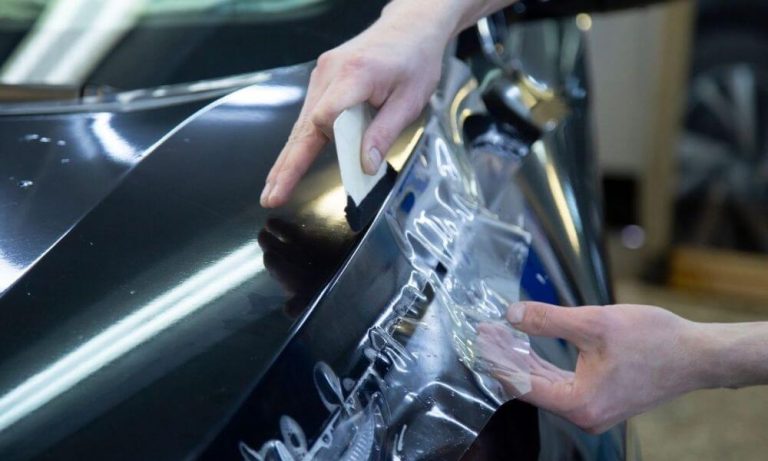
There’s nothing quite as satisfying as the gleam of a newly-bought vehicle. The way it catches the sunlight, the flawless surface, the sense of pride that comes from driving it off the lot. But maintaining that pristine condition can be a challenge, especially when faced with the everyday wear and tear from our Canadian roadways. Fear not, for there is a solution to keep your car looking brand new. Allow me to introduce you to the world of Paint Protection Film.

Introducing SRS Tints – Mississauga’s Leading Car Care Provider

Located at 21 Bradwick Dr #8, Vaughan, SRS Tints is the foremost provider of high-quality car window tinting solutions in Mississauga and Vaughan. But that’s not all. They are also your go-to experts for ceramic coating, vinyl wrapping, and the sought-after paint protection film. With over a decade in the industry and a community of over 30,000 satisfied customers, you can trust SRS Tints to maintain the version of your car you fell in love with. Find out why they are hailed as the best Paint Protection Film installer in Mississauga.

Why Consider Paint Protection Film (PPF) for Your Vehicle?

Imagine a shield, an invisible yet robust layer, guarding your car surface against the onslaught of road debris that result in pesky scratches and scuffs. That’s paint protection film for you. This resilient urethane film absorbs impacts to keep your vehicle looking its best. It not only saves the car’s surface from damage but also assists in preserving its value. After all, a well-maintained vehicle fetches a better resale price. Unlock the secret to long-lasting car glossiness and protection with SRS Tints, the expert Paint Protection Film Installers in Mississauga. From a newly-bought ride to a cherished long-time partner on the road, every vehicle deserves the armor of a paint protection film. It’s time to put an end to cosmetic worries and invest in the protection your car needs. Give SRS Tints a call at (905) 766 3367 and get your free quote today. Preserve the brand-new look of your vehicle, and keep it shining bright, despite the many miles to come.

Modern vehicles rely on complex electronic networks to function correctly. Your dashboard screen seems like a simple tablet device. However, the navigation unit connects deeply to the vehicle power grid. Many drivers blame satellites for poor map performance. But the real culprit often hides within the wires. The battery provides the necessary juice for every digital calculation. A weak electrical flow disrupts the global positioning sensors. This connection remains vital for accurate real-time traffic updates. You should monitor your voltage to ensure smooth travels. Understanding this link helps prevent frustrating wrong turns.

The Role of the Battery in Digital Accuracy

The car battery acts as the heart of the machine. It pumps steady electricity to every sensitive computer chip. Digital maps require a very consistent voltage level. Now, a dying battery creates small ripples in power. These tiny fluctuations cause the navigation hardware to reboot. The EAS Tire & Auto can test your battery health. Healthy cells ensure the GPS receiver stays active always. Consistent power keeps the internal clock perfectly synchronized.

Alternator Health Affects Signal Processing Strength

The alternator generates power while the engine runs today. It recharges the battery and runs the electronics. An aging alternator produces electrical noise or interference. This static interferes with delicate satellite signal reception. The navigation system struggles to lock onto overhead satellites. A professional Auto Repair in Littleton, Co identifies these charging faults. Clear power allows the antenna to hear the satellites.

Grounding Issues and Sensor Communication Errors

Electrical circuits must complete a loop to work well. Corrosion on ground wires breaks this essential loop. Navigation units share ground points with other car components. Bad grounding creates phantom glitches in the touch interface. The system might lose its calibration during long trips. But cleaning the contact points restores the digital logic. Small spikes in resistance confuse the position sensors. The EAS Tire & Auto specializes in fixing these connections. Secure wires prevent data loss during high-speed driving. Proper grounding keeps the entire infotainment system very stable.

Hidden Wiring Harness Damage and Blown Fuses

Fuses safeguard pricey equipment from power surges. A blown fuse often disables the GPS. Sometimes the fuse is loose or partially destroyed. Connectivity is sporadic during your regular drive. Damaged wiring harnesses hinder data flow. Colorful insulated copper wires may be eaten by rats. The navigation module loses automobile contact. It will display an error message. Now, the EAS Tire & Auto inspects the hidden wiring. Fresh wires restore the link between sensors and screens.

Conclusion

Your navigation system is a sophisticated piece of technology. It depends entirely on the health of the vehicle. Electrical problems mimic software failures quite often in modern cars. Simple maintenance prevents expensive replacements of the head unit. Keep the electricity flowing to keep your maps accurate. A functional electrical system is the foundation of travel.