Author

Paul Petersen

Browsing

An ignition switch is a start or switch button that controls a vehicle’s electrical system. This system is among the most important in a car and ignites the air-fuel mixture using a particular device. Ignition occurs in the compression stroke cylinder, and this system should undergo frequent maintenance. 

Car owners should also consider having an ignition switch replacement whenever it shows any weird signs to prevent the issue from escalating. Below we discuss the complete ignition system guide.

Types of Ignition Systems

Ignition systems are available in the following kinds:

  • Conventional Ignition System

The conventional ignition system has a mechanical performance and is the most common type. Even though this system uses mechanical design, it was used as a basis when creating modern systems. 

However, it is rare in cars today since it has a lower efficiency than modern systems. 

  • DLI Ignition System

DLI means less ignition distributor. This system does not use distributors and is mainly common in modern vehicles. 

How to Diagnose a Faulty Ignition System

Faulty ignition systems should be repaired immediately to prevent car stalling and other issues. Ignition problems come in different forms, and the root cause might not be the same. Car owners are advised to familiarize themselves with the ignition system’s components to act accordingly in an emergency. 

Remember, the ignition system is a chain, from the battery to the spark plug. All its components should be looked after to ensure it is in their best state. Below we discuss how to diagnose a faulty ignition system.

  • Confirm Lack of Spark 

The lack of a spark suggests many issues, but you want to confirm it is not a faulty ignition switch. Car owners can achieve this by verifying whether the spark plug is firing. You are also advised to be on the lookout for any obvious indicators before using any tools.

  • Check the Power

Car owners should break the multimeter out with the ignition on and confirm whether there is a sufficient voltage heading to the ignition system. If this is not the issue, you should head back to the battery to know where the loss of power is coming from. 

Parts of an Ignition System

Your car’s ignition system resembles a huge circuit board that transports energy to the entire vehicle to keep it running and active. This system consists of the following parts;

  • System coil

It is a conductor and an electromagnet that transforms high voltages from the vehicle’s batteries. This coil is linked to the distributor. 

  • Ignition key

This is the first part of this system; it releases electricity from the ignition system’s primary circuit when turned down. This electricity then heads to the ignition coil.

  • Sparks plug

The spark wires and plugs take electricity to the engine, and the vehicle cannot run if it is not in the correct state.

Final Thoughts

The ignition system is very important to an automobile, and the above article has discussed everything you need to know about it. Kindly reach out for more information. 

The engine oil is a lubricant that keeps the engine functioning seamlessly; it safeguards its components from welding and tearing apart. Engine oil is a blend of particular additive compounds and base oil, and they reduce the engine part’s friction. 

Engine oil also lubricates different engine parts, absorbs motor heat, and keeps it safe from excess wear and tear. This oil is made using additive compounds and antioxidants, among others. These components have the following functions;

  • Providing enough protection from wear and tear
  • Enhancing fuel economy
  • Preventing unnecessary buildups on the engine. 

Engine oil is essential to a fully-functional price and is available in different types. The standard oil change price is around $20, and we discuss these various types below.

  • Conventional Oil

Conventional oil is among the most popular engine oil extracted via crude oil. This oil is refined in factories and has a vast viscosity range. This oil is incorporated with different additives and processes to make it more efficient. 

Conventional oil is ideal for vehicles with a basic engine design and low-mile types. It is also budget-friendly, explaining its popularity today. The conventional oil safeguards the engine always and ensures it runs smoothly. However, this oil does not offer any protection from the varying engine temperatures.

  • Synthetic Oil

Synthetic oil is made using the same-sized petroleum molecules and factory-made to achieve the best performance. This oil is more consistent and regulates the manufacturing process efficiently. Synthetic oil also has improved viscosity levels that resist thermal breakdown and oxidation. 

Synthetic oil also improves the vehicle’s horsepower and fuel efficiency by decreasing the engine drag. This oil is used in vehicles that require a high-level performance and lubrication and has many benefits.

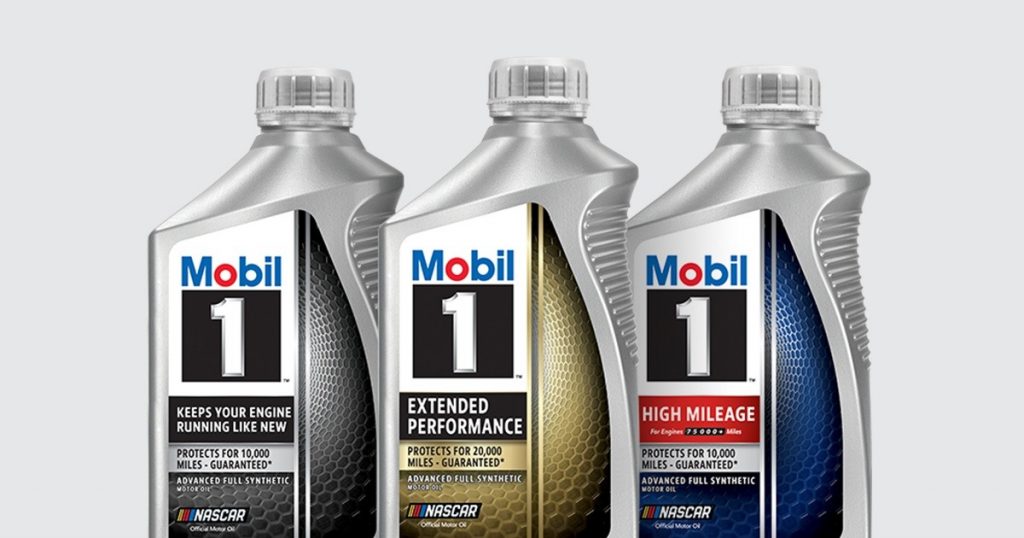
Synthetic oil is beneficial when reducing friction, and it also handles extreme weather temperatures. It lasts around 20000 miles, making it a customer favorite. Also, synthetic fluid needs an extensive refining process that eliminates impurities. The main benefits of this oil are;

  • Improved shear and chemical stability
  • Improved fuel economy
  • It flows easily even in cold weather
  • Has better resistance to viscosity breakdown
  • Has longer changing intervals. 
  • Synthetic-Blend Oil

Synthetic blend oil is made by mixing synthetic and conventional oil. It entails viscosity modifiers that maintain its viscosity in different temperatures. This oil safeguards the car from oxidation and cold temperatures. 

Synthetic-blend oil has features of synthetic oil but at a much lower price. This oil is mainly beneficial when participating in hauling, towing, and off-roading activities. It is changed after 8000 miles and guards the engine at affordable rates. 

Synthetic-blend oil has many benefits besides its affordability. It gives the engine startup protection, has a lower price, and has a longer lifespan.

Final Thoughts

The engine is an integral part of your vehicle, and you need the right oil to keep it in its best state. Engine oils are available in different types, and the above article has discussed a few. Kindly reach out to us for more information. 

People just can’t get enough of SUVs! Their robust performance, spacious interiors, avant-garde technology, and macho styling make Sports Utility Vehicles among the best options for luxury cars for rent in Venice Beach.

And not only sheer size or brute strength, but the best of the best SUVs are also the ideal choice for adventure – from mountain hauling, camping trips, or even just cruising down the Venice Beach streets at night. Check out the following top picks when it comes to luxury SUVs today:

Audi

The mere mention of the name Audi brings luxury sedans and limousines into mind, but you will be impressed with their brilliant SUV range that combines versatility with style, 4×4-wheel drive, cutting-edge technologies, and luxurious amenities.

Audi has taken a “contemporary take” on SUVs, perfectly balancing its muscular streamlined design with superior performance, everyday functionality, and advanced driver assistance systems.

Bentley

You probably wouldn’t expect Bentley to have an SUV yet the sheer performance and appearance of the Bentayga range of SUVs will surely impress you. Rent a luxury Bentley SUV and enjoy driving from open roads to the city streets and beyond. This is the perfect union of outright capabilities, comfort, and excitement.

BMW

BMW is yet another famous car brand that has set the highest level of standards for its range of SUVs featuring excellent performance and streamlined design. It doesn’t matter if you are on a business trip, a fun-filled family holiday, or a romantic getaway, a ride through the streets of Venice Beach will be an experience worth treasuring forever. All you have to do is get behind the wheels and then set off on a thrilling journey like no other.

Jaguar

The luxury performance SUVs from Jaguar are vehicles that feature intuitive technologies, award-winning design, and the patented performance excellence of Jaguar to make your tour to Venice Beach feel extraordinary. Superlative driving experience, premium colors, and absolute power will surely get heads turning as you make your way through the streets of this lovely neighborhood.

Lamborghini

Driving a Lamborghini during your tour to the pulsating Venice Beach neighborhood can be a dream come true. This is functional and sporty with a chiseled glamorous appearance, luxurious interiors, and excellent performance, all of which are typical of a Lamborghini. With an overabundance of driving features and capabilities, your journey on the streets of Venice Beach will be worth valuing for a lifetime.

Mercedes Benz

Not roadsters, coupés, or limousines, but Mercedes Benz takes performance and quality a level higher with their exotic SUV range “designed for the wilderness.” Just like what their tagline says #LiveTheRush, SUVs from Mercedes Benz offer the perfect balance of performance, strength, and power. Explore Venice Beach in a Mercedes Benz that will impress you with its ride performance, refinement, and comfort.

Porsche

Porsche is one of the best choices for you if you have always dreamed of driving a luxury sports car with your family or friends. Featuring a striking appearance, impressive performance, and spacious interiors, this SUV will give you an adrenaline rush while sitting behind the steering wheel.

This is a sports car in its true sense but this time, with the versatility of five seats. Whether you want to embark on an adventure in Venice Beach or you just want to explore the vivid attractions of the area, luxury SUV rental ensures the finest experience.

It can be frightening to have a steering wheel malfunction firsthand. Nobody wants to experience a steering system failure while travelling at high speed on a highway.

Fortunately, there are signs of a deteriorating steering system that appear before it completely fails. 

You can always buy from PimpMyEV with a Tesla warranty when changing steering wheel as they have instituted certain quality control measures that will start once an item will reach to their warehouse. They scrutinize everything to ensure that you get the perfect accessories from them.

These signs can help you determine whether your steering system is malfunctioning.

  • Difficulty in turning your wheel

If you have power steering, this can be a sign that there is a problem with the system. Leaks can occur in the steering rack itself, the steering pump, or the hoses.

  • Steering wheel vibration

While wheel alignment issues are frequently indicated by this, vibrating steering wheel might also be a sign of a power steering issue. Additionally, pollutants may have accumulated.

  • Steering wheel slips while turning or holding

Another indication that the power steering is not working is this. In addition to leaks, other factors that contribute to power steering failure include malfunctioning pumps, broken steering rack mounts, and worn out or loose steering belts.

  • Looseness in steering wheel

Worn tie rods and steering racks are typically to blame for this.

  • Excessive steering wheel vibration while accelerating or turning 

Usually, damaged or worn tie rods are to blame for this. If it is allowed to continue, the entire vehicle will tremble and finally lose steering.

  • Vehicle wanders/pulls to one side

This frequently points to a problem with a damaged steering system. You should also check for any power steering leaks because a lack of lubrication from the power steering fluid might lead to premature steering gear wear.

  • Excessive play in your steering wheel

You can be very sure there is a steering gear problem if you need to spin it more than an inch before the wheels start to turn.

  • Grinding noise while turning your steering wheel

Another sign of a steering gear issue is this.

  • Screeching noise while turning the wheel

Commonly brought on by a worn-out or slack power steering belt. This belt links the engine to the power steering pump. Low level of power steering fluid may possibly be the cause of the screeching noise.

  • Discolored or Foaming power steering fluid

This suggests that air or water has entered the system, preventing the fluid from adequately lubricating the parts.

  • Burning oil smell

Fluid reaching or leaking into an overheating component is what causes the burning odor. Burning pressure fluid in a power steering system has a stench a lot like burning oil.

  • Fluid Leaks

One of the leaks might be the brake fluid if your car is parked and you observe a puddle on the ground beneath it. Leaking brake fluid will result in pressure loss, which will result in the issues listed above that arise when the power steering system lacks sufficient pressure.

You can also find many YouTube videos discussing this issue in more detail.  


A bike chain is an integral part of any bike. When you pedals, it transfers force from the pedals to the rear wheels, enabling you to go forward. However, when it s slack, the speed of forward motion falls, and you are not able to push the bike ahead. To correct this, you should know how to tighten a bike chain so that it is working at its optimal performance.

While there are many ways to find out how to tighten a bike chain, one easy way to find out the right tension is to use a pull chain gauge. The gauge shows the right tension of the chain attached to your bicycle. You need to attach a small amount of pull chain to your bar, which then lets you see the gauge. The reading will indicate how much chain tension is needed. This is useful for those who don’t have the right tools or skill to be able to tighten their own chain.

Once you know how much tightening is required, you need to make sure you adjust the tension in the right way. There are two ways you can go about tightening your bike chain: by hand, or by using a tightening tool. Hand methods are more common since they require less physical work, but they also take time and exert effort. Using a tightening tool, you can go about tightening the chain quickly and easily, without having to make any physical exertion.

One of the easiest bikes to tighten is the seven gear bike. If you have a relatively easy 7-gear bike, all you need to do is remove the sprocket at the bottom of the bicycle. You can then slide the sprocket off, taking care to note how far it moves back when you move the handlebars back. This will allow you to use a tool to help you get the chain to the correct tightness.

If you have an uneven bike path, like many older bicycles, you will probably need to get the chain tighter, since it won’t be flat when you are riding it on most roads. One of the best options for getting a tight bike chain on uneven terrain is to buy a tightening kit. These kits contain the right tools to help you get the job done right. Even though buying a kit might be a little more expensive than visiting a local shop, you will save yourself a lot of time in the long run because it only takes a few minutes to put it on, compared to hours in a brick and mortar store.

If you have a problem with your bicycle chain, no matter how frequently you may tighten it, there is no reason to think that your bicycle cannot continue to run correctly. In fact, in some cases, a loose chain may be the cause of a malfunctioning bike. When you have a loose one, it is important to immediately change it. Before making an appointment to take your bicycle in to be fixed, make sure you know how to tighten a bike chain. If you don’t know how, you should ask a store clerk or someone who has experience with bike chains. They can help you find out how to do it properly, so you will not have to spend extra time and money on it in the future.

How to clean a bike chain?

How to clean a bike chain

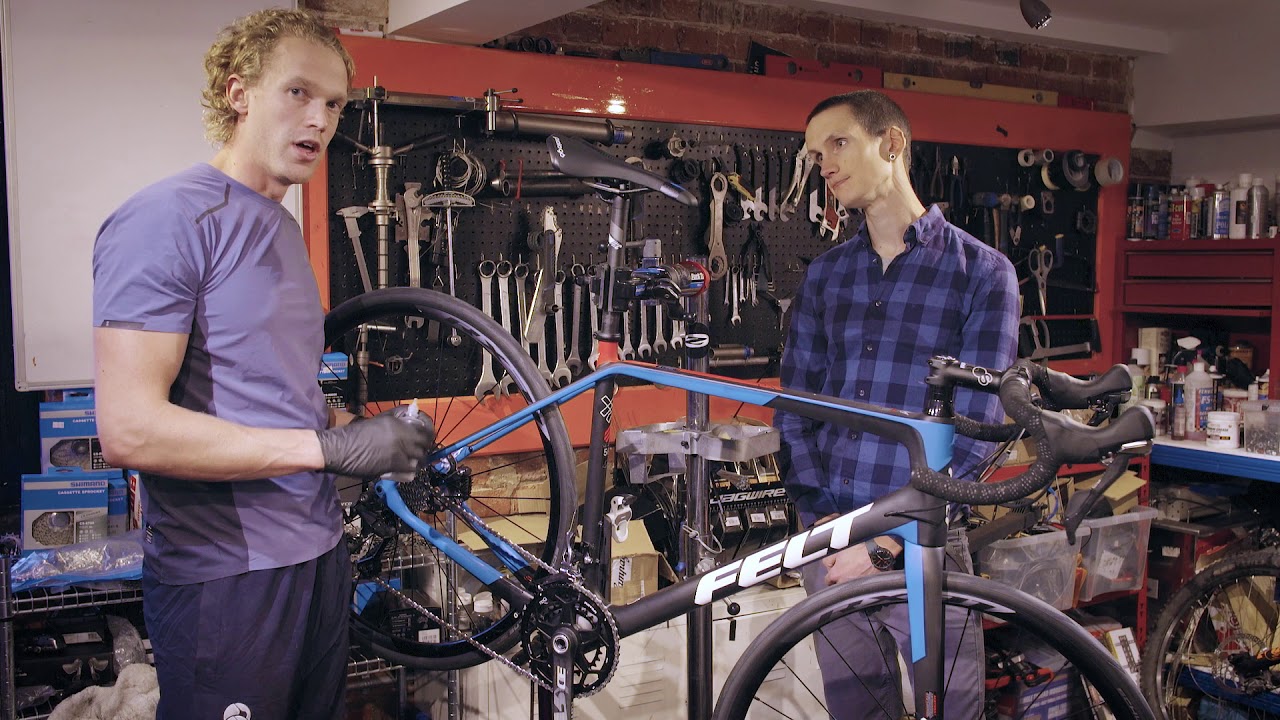
If you own a bicycle, it is important to know how to clean a bike chain. Chain oil can keep it running smoothly, and it can prevent the chains from rusting. However, chain oil will quickly dry out if it is not maintained properly. The first step in cleaning your bike’s chain is to change the chain whenever it begins to look dull. Otherwise, the chain can begin to rust.

To clean your chain, you should follow the same procedure that you would for changing a sprocket on your bicycle. You will need a funnel, a sponge, and two types of cleaner. The first type of cleaner is made specifically for cleaning chains. It has an attached nozzle to spray the cleaner into the chain and avoid miss spraying. For best results, you should mix the cleaner and the oil together to make a thick paste.

Before you begin, be sure to disconnect the chain from the sprocket. In order to clean the chain, you should be sure that there are no wires or cables connected. This will ensure that the chain does not get caught up in any crevices. Start by scrubbing the chain until the oil starts to run out of the grooves.

Once the chain is completely clean, you can start to remove any remaining dirt from the grooves. If there are hard stains or metal filings, you should use some of the cleaner that you mixed with the oil. The chain should be dipped into the cleaner, which is placed under the chain and allowed to sit for a few minutes. You will then wipe away the excess cleaner.

If you would like to learn how to clean a bike chain that has been heavily built up with rust, you will need to clean it by using a different method. Since this type of chain is very hard to clean, you will need to take it apart first. Place the chain in a large container filled with water and salt. The chain can sit overnight in the solution, and in the morning you will have the ability to ride again.

Another option for learning how to clean a bike chain is to take the chain to your local sporting goods store. They will likely want you to strip down the entire thing so they can clean it. This may include removing any hardware, such as saddle bags or spokes. After stripping the bike chain down to the frame, the chains will then be polished. You will find that these types of chains are much nicer to ride on and they will last a long time.

So you are wondering what is New York Vehicle Inspection Program is? Or how much is a NYS inspection? We will be answering all your questions in this brief post.

In New York, the law demands all the vehicles registered in the state to meet the minimum standards for emission, safety, and operation on public roadways. The vehicles should also receive a clear inspection from a licensed and recognised NYS vehicle inspection office. 

If you have a fully-maintained vehicle, you have nothing to worry about. However, you have to still get the basic inspection done. Few supervising provisos should be there if you want your vehicle to pass.

We have laid down some of the important things about the New York Vehicle Inspection Program that you probably didn’t know about.

  • Vehicle inspections are required every 12 months

For those unversed, every vehicle in New York must be inspected every 12 months. The good thing is that you have until the last day of the expiration month to get your inspection sticker. 

However, we recommend you not to wait till the last date, unless you are super-busy or something. The sooner you get your vehicle inspected, the better it is for you. Also, if you don’t want to get into trouble, then you should get your car inspected early.

  • Inspectors will check the tires, but not the spare

Vehicle inspections are more about the overall functional condition and specific tread depths of your tires. Understand that an inspector won’t check the spare tire as it is not part of the NYS inspection process.

But if you want you can get your spare tires checked. This is because they are subjected to deterioration. Even if there is a problem with your spare tire, it won’t prevent you from passing. Getting your spare tire checked means you know that it is ready to use.

  • You will need an inspection for buying/selling a vehicle

When you buy or sell a vehicle, it is common sense that you should get it checked. By getting the vehicle inspected, you will know what condition it is in. But make sure that you go to a qualified vehicle inspector.

Likewise, when you sell a vehicle, the inspection sticker acts as a mark of credibility for potential buyers. 

Whether by law or not, you should get your vehicle inspected within the given deadline to identify the problems, if it has any.

The brake pad is one of the most important parts of your car’s braking system that needs constant checking and replacement whenever necessary. Your car will give you signals when it is time to change them. These signals can be in the form of squeals coming from the brakes when you apply them or small shakes occurring in the vehicle when you brake. Now at this moment, it is pretty obvious that your car needs an inspection and an expert technician can easily help you out with that. 

But sometimes you need to do everything by yourself so learning how to choose the right brake pads for your car is essential. 

Types of brake pads

A few decades ago most of the brake pads used in cars were made from asbestos as it is a good conductor of heat and dissipates the heat generated by the friction very quickly. But the manufacturers soon realized that using asbestos as brake pads in cars can cause it to form a byproduct of dust, which can severely affect the breathing of people. 

So currently there are four different types of materials that are used to make brake pads for cars. 

  • Semi-metallic brake pads: These brake pads are made of several different metals such as iron, steel, copper, and nickel, which are put together with the help of resin. These are the most common types of brake pads after the asbestos got banned and are also the cheapest. Due to their material nature, these brake pads can be noisy.
  • Low-metallic brake pads: These are considered as the base level upgrade for the semi-metallic brake pads. They contain less amount of metal in them, making them a bit quieter in nature and don’t harm the rotors much. They are good heat-resistant and are used in heavy-duty vehicles such as trucks. 
  • Organic brakes: This category includes brakes made from organic materials such as Kevlar, carbon, high-quality resin, and glass. They are very effective in braking performance but lack the power to dissipate heat easily. These types of brake pads are used in high-speed vehicles that need to stop very quickly. 
  • Ceramic brake pads: Probably the most expensive type of brake pads, these pads are used mainly for passenger and light trucks. They are very good at functioning under high temperatures and disperse heat very easily. 

Cross Drilled Rotors brake pads are made from high-quality material for the utmost braking experience. 

Imagine yourself on the track, speeding down the straights. You’re in the lead by the hood of your car, but it’s close. One more lap to go; the smell of burned rubber hits your nose and it’s exhilarating.

It all comes down to this, the final bend to the last straight for the win. But you come around the bend too fast. Because of this error, you’ve lost the lead.

There goes that coveted trophy you were going to use to rub in your neighbors face. You did everything right, except the racing line.

If you are that kind of person, then this for you. Here are five tips that can help you master the art of controlled braking and bring home the gold

1) Understand the Racing Line

First you must start with the fundamentals. A racing line is the quickest arc through a corner turn on a track that can be driven.

The goal is to drive the racing line with as much speed as possible in the ‘braking zone’ and into the next straight. The arc depends heavily on several factors:

  • the sharpness of the corner
  • the length of the following straight is
  • The type of car that is being driven

2) Know the Braking Point

Remember the Braking Zone? Well the Braking Point is done in this zone. It is the position you begin to hit your brakes before reaching the corner.

This part is subject to the previous factors as well as your savvy at maintaining the grip. No kind of carbon ceramic brakes will make this more effective until you hit it at the right point.

3) When to Hit the Turn-In Point

Now is the Turn-In Point: the point where you finally begin to turn the corner. This a build up to the Apex, and if not executed effectively can mess up everything else.

If you turn too early you will hamper your exit speed for later, too late and it will impair your speed within the actual turn. Therefore the Turn-In Point is arguably the most crucial part of the process

4) The Apex Turn

Also known as the Clipping Point, this then your actually inside the corner, and the easiest part of the entire process. Look for the curb as the cue for where to know where the apex must be done.

5) The Final Exit Point

The exit point is when the car reaches the outside part of the track again.

Coming out of the apex, increase the throttle. But be sure to adjust your steering, otherwise you will ruin all your previous work on your perfect racing line. After that, you will be free to continue the course

Master Controlled Braking

You’re back in the last lap on the final bend. But this time, the bend won’t beat you because you have now mastered the art of controlled braking.

You hit the braking point, execute a fantastic turn in, and reach the apex. The exit point is seamless into the last straight, meanwhile your closest competitor is firmly in your dust. You’ve won.

This dream can be reality, so get out there and start racing. For other great articles like this one, be sure to browse the rest of our blog.


Lubrication is the second name of controlling friction, wear and tear, or resistance by introducing a friction-reducing agent between sliding or moving surfaces that came across contact with each other. This lubricating agent might be a fluid, solid, or plastic substance.

As to reduce friction between surfaces in mutual contact, a lubricating agent is bound to reduce the heat produced with the mutual contact of the surfaces. It also transmits forces, transports foreign particles known as sludge, and deal with the heating or cooling of the surfaces. This property of reducing friction and tackling heat is known as lubricity.

Lubricating oil or lubricating fluid is a class of oils used to reduce friction and heat among moving or sliding components or a machine that is in contact with each other. These oils are used in all sorts of vehicles and are commonly known as motor oil and transmission fluid.

Types or categories

Talking about the types or categories of lubricating oils, there are two main categories. One is mineral oils and the other synthetic oils. Mineral oils are those lubricating oils that are refined from natural, extracted crude oil which is a mixture of a lot of substances. Whereas, Synthetic oils are lubricating oils that are manufactured artificially. Mineral oils are the type that is used more often and with large applications. This is because it caters to the low cost of extracting the oils from naturally occurring crude oil. Moreover, mineral oils could also be manufactured with varying viscosities. This implies that you can extend its application with different viscosities and different needs. This character makes this class useful in a wide range of applications.

Viscosities

You can also blend different viscosities of lubricating oils. This ability to blend different viscosities make it even more useful. The most commonly used motor oil could be a blend of low viscosity oil that allows easy starting in cold environments and a high viscosity oil provides better performance during normal running temperatures.

Talking about the formation of lubricant oils, they contain 90% base oil that are petroleum fractions, also known as mineral oils, and less than or equal to 10% additives. These base oils might include Vegetable oils or synthetic liquids such as hydrogenated polyolefin, esters, silicones, fluorocarbon, etc. The additives are added to deliver less friction and guarantee less wear, increase the viscosity of the oil and improve viscosity index in return, resist well to corrosion and oxidation while running of the engine, and provide less aftermath of aging or contamination, etc.

With a better understanding of lubrication and lubricating oils, it will be easier to choose the right lubricating oil for your vehicle. Lubricating is, in fact, a process of separating surfaces and protecting them to reduce friction, generate less heat, restrain wear and provide efficient energy consumption. This is done with the use of lubricating oils, greases, or other fluids. There is a need to pick the right one that is recommended by your vehicle manufacturer because that is what meets the requirements of your engine.

Time to have your car replaced? That implies that it is time to decide whether to buy a new or used vehicle. Although this age-old question has no correct answer, it helps to know the pros and cons. Take into account this knowledge and understand how it relates to your particular situation.

Pros of buying a used car:

  • Lower price-pre-owned cars are priced lower than new ones, making them a perfect chance to get a decent deal or get into a higher-end vehicle than you might otherwise afford.
  • It’s not a secret that new vehicles depreciate quickly Prevent substantial depreciation. Buying used, though still enjoying a reliable trip, will help you stop the ‘right off the lot’ depreciation.
  • Buying used will cause you to pay less to insure the new model of the same car.
  • Lower insurance rates. It can also help you escape extra taxes, such as freight and sales tax (depending on where you live).
  • Take into account and consider looking for a verified pre-owned vehicle if you want to incorporate some of the advantages of buying new and used. Usually, these units are just a few years old, have lower mileage, and come with warranties from the manufacturer.


Cons of purchasing a used car


  • Older technologies and designs are continually developing safety options and cool features such as surround sound audio equipment and Wi-Fi by car manufacturers. It could mean losing out on the latest and greatest features, or modern exterior body styling, to buy an older model.
  • The purchase of a vehicle that had a previous owner raises concerns about how it was taken care of and whether it suffered any damage. You can rely on a pre-purchase inspection and a car proof vehicle Information Report to give you a detailed insight into the vehicle’s context. This would give you a clear comprehension of how well the car was taken care of where it was driven if there was any damage, and if the damage was correctly fixed.

There are apparent advantages and disadvantages to purchasing a used vehicle, but it can save you some cash, but some confusion can come with it. Luckily, used car buyers have access to a better knowledge of history and conditions than ever before. If you decide that the right step for you is to buy used, make sure to do your homework so that you can drive away with confidence and peace of mind. Weigh your decisions and determine whether you want to have a used car if you do, then reliable dealers from Used Cars in Bakersfield are to the rescue and will give you the best that they have.