You have just spotted a bulge on your motorcycle tyre (the rubber ring that wraps around your wheel), and you are wondering if the warranty will cover a replacement.
Before visiting the dealer, it pays to know how warranty really works in India, and how it directly affects your two-wheeler tyre price when claiming. The rules are more limited than most riders expect, and understanding them upfront can save you a wasted trip and real money.
What a motorcycle tyre warranty actually is?[H2]
A tyre warranty in India is a limited guarantee from the manufacturer that the tyre is free from specific manufacturing defects for a defined period. It is not a general guarantee that the tyre will last a certain number of kilometres or years regardless of usage.
Key points:
- Warranty is against material and workmanship defects, not normal wear and tear or road damage.
- It is usually pro-rata, meaning you get a partial credit based on remaining tread life, not always a free new tyre.
- The warranty period is counted from the date of manufacture or date of purchase/registration, depending on the brand and whether you register the tyre.
What Tyre Warranty Actually Covers?
A tyre warranty is a manufacturer’s guarantee that the tyre was free of faults when it left the factory. It covers manufacturing defects only, not the everyday wear that comes from riding on Indian roads.
Defects that typically qualify for a claim include:
- Bulges on the sidewall (the vertical side surface of the tyre between the tread and the wheel rim), caused by internal layer separation rather than a pothole strike.
- The tread (the grooved rubber surface that contacts the road) peeling away from the tyre body without any external cause.
- Internal cords (the woven fibres inside the tyre that give it strength) becoming visible through the rubber, with no signs of outside damage.
- A faulty bead (the edge of the tyre that locks onto the rim), which prevents proper mounting.
If the tyre failed because of how it was built, you may have a case. If the road or riding conditions caused it, you probably do not.
What Warranty Will Not Cover
This is where most claims fall apart. The exclusions cover the most common tyre problems riders face in India:
- Punctures, cuts, or impact damage from nails, glass, or potholes
- Age-related cracking, sometimes called dry rot, where rubber deteriorates over years of use.
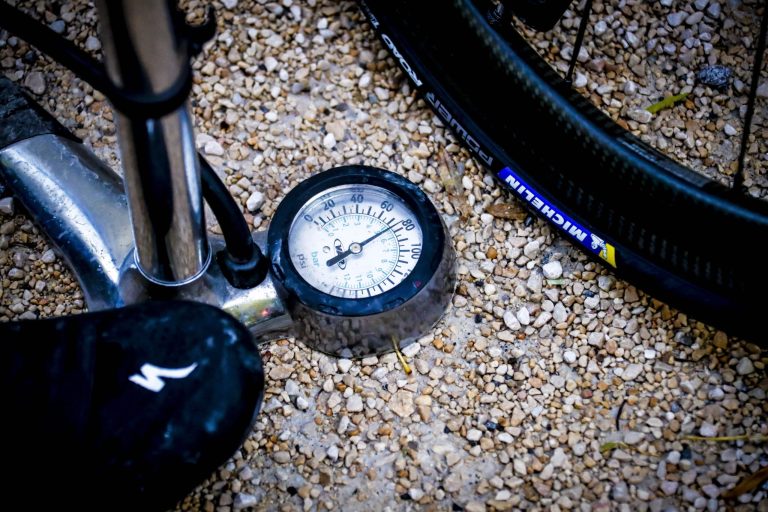
- Uneven wear linked to incorrect motorcycle tyre pressure (the amount of air inside the tyre, measured in PSI), misaligned wheels, or overloading
- Damage from accidents or kerb strikes.
- Normal wear once the tread reaches the TWI (tread wear indicator), a small raised marker moulded into the groove that signals the tyre has reached the end of its usable life.
Any sign of external damage or poor maintenance, and the claim is likely denied.
Two-Wheeler Tyre Price and the Pro-Rata Claim System
Most approved warranty claims in India do not deliver a free tyre. Instead, you receive a pro-rata credit, a partial refund calculated on how much usable tread remains. The two-wheeler tyre price of your replacement directly determines what you pay out of pocket, with taxes and fitting added on top.
Here is how the maths typically plays out:
| Tyre Wear | Replacement Cost | You Pay | Warranty Credit |
| 40% worn | ₹2,000 | ~₹800 | ~₹1,200 |
| 60% worn | ₹2,000 | ~₹1,200 | ~₹800 |
Some brands do offer a full replacement (no pro-rata deduction) for confirmed manufacturing defects within the first one to three years, provided the tyre has worn less than a specified threshold. Beyond that window, pro-rata is the standard outcome.
How to Give Your Claim the Best Chance
- Keep your documents safe: Your purchase invoice, warranty card, and any registration confirmation are essential. Without them, proving eligibility is extremely difficult.
- Register your tyre quickly: Many brands start the warranty clock from the manufacturing date, not your purchase date. Registering within 7 to 15 days of buying can shift that clock in your favour.
- Photograph the damage: Clear pictures from multiple angles before your dealer visit help support your case.
- Visit an authorised dealer only: Only approved service points can log official claims and arrange a technical inspection.
Before your next purchase, browsing two-wheeler tyres can help you compare options and make a more informed choice from the start.
Warranty registration: why it matters?
Many brands now encourage or require warranty registration within a certain period (often 7-15 days from purchase) via:
- Dealer point-of-sale systems.
- Brand website or mobile app.
- WhatsApp or toll-free numbers.
Benefits of registration:
- Warranty may be calculated from the registration/purchase date instead of the manufacturing date.
- Faster claim processing, as your details are already in the system.
- Easier tracking of your tyre’s warranty status.
If you don’t register, the warranty period is usually counted strictly from the manufacturing date, which can shorten your effective coverage.
Common reasons tyre warranty claims get rejected
Understanding these can save you time and frustration:
- No proper invoice or warranty card.
- Tyre age exceeds warranty period (even if tread looks fine).
- Tread worn beyond allowed limit (e.g., past TWI or beyond 60% wear for certain policies).
- Clear signs of external damage: cuts, impact marks, puncture repairs.
- Evidence of under-inflation, overloading, or misalignment (uneven wear patterns).
- Improper fitting or use on incompatible rims.
Making Warranty Work for You
Motorcycle tyre warranty in India is a genuine safety net, but a narrow one. It protects you from manufacturing faults, not potholes, punctures, or poor maintenance. Keep your invoice, register promptly, maintain correct pressure and alignment, and approach any claim with realistic expectations.
A pro-rata credit is the most likely outcome, and even that requires clean paperwork and a confirmed defect. Know the rules, and the warranty system will serve you well when you actually need it.