Archive

2025

Browsing

Choosing between long-term car leasing and purchasing a vehicle outright is a decision that depends on lifestyle preferences, financial planning, and future mobility needs. In Singapore, where the cost of car ownership is high due to the Certificate of Entitlement (COE) and other regulatory fees, understanding the advantages and disadvantages of both options is essential. Many drivers are now exploring long-term car leasing as a flexible solution that offers both convenience and cost control.

Understanding Long-Term Car Leasing

Long-term car leasing involves renting a car for a fixed period—usually ranging from one to five years—under a contractual agreement with a leasing provider. This option appeals to individuals who want to avoid large upfront payments and ongoing ownership responsibilities. It allows you to drive a brand-new vehicle without having to deal with depreciation, resale, or unexpected maintenance costs.

In a typical 12-month car lease, the customer pays a fixed monthly fee, which often covers insurance, servicing, road tax, and breakdown assistance. This all-inclusive structure simplifies budgeting and makes long-term leasing an attractive choice for those who want to enjoy the benefits of driving without long-term financial commitments.

Benefits of Leasing Over Buying

One of the most appealing aspects of long-term leasing is the lower initial cost. Unlike purchasing, which typically requires a down payment of 30–40% of the car’s value in Singapore, leasing usually involves just a refundable deposit and the first month’s rental fee. This frees up capital for other financial priorities.

Furthermore, lessees don’t have to worry about fluctuating resale values. The leasing company retains ownership, meaning you simply return the vehicle at the end of the term without the stress of selling it on the open market. This is particularly useful in a rapidly evolving automotive landscape where electric vehicles and hybrid models are becoming more popular.

Advantages of Car Ownership

Despite the benefits of leasing, buying a car does offer long-term value in certain situations. Ownership grants you full control over the vehicle, allowing you to customise it or drive it as frequently as needed without concern for mileage restrictions.

If you intend to keep a car for more than 10 years and can afford the upfront costs, purchasing can prove more economical over time. Once the car loan is paid off, the ongoing expenses are significantly reduced, especially if the vehicle is well-maintained. Unlike leasing, which resets with each new contract, ownership allows you to stretch your investment across many years.

Lease Durations: 12-Month vs 24-Month Options

Choosing between a 12-month car lease and a 24-month car lease largely depends on how long you plan to use the vehicle and your financial situation. A 12-month lease provides flexibility and suits expats, short-term visitors, or professionals on temporary contracts in Singapore. It allows them to enjoy mobility without committing to long-term expenses or vehicle maintenance responsibilities.

On the other hand, a 24-month car lease tends to come with slightly lower monthly rates compared to shorter contracts. It is ideal for individuals who want the convenience of leasing with a moderate commitment period. A longer lease term often spreads administrative and insurance costs more efficiently, making it a cost-effective choice for frequent drivers. Visit a car dealership to look for the right option.

Hidden Costs and Financial Implications

When comparing leasing and buying, it’s crucial to evaluate the full spectrum of associated costs. Car ownership comes with additional responsibilities such as COE renewal, maintenance, road tax, and insurance renewals. These expenses can vary and may surprise unprepared owners.

Leasing packages typically bundle these elements into a predictable monthly payment, eliminating surprises and simplifying long-term financial planning. However, those who lease should be mindful of mileage limits and potential penalty fees for early termination or excessive wear and tear.

Lifestyle Considerations

Beyond financials, lifestyle factors also influence whether leasing or buying is better suited to your needs. Individuals who frequently change their car preferences or want to keep up with the latest models may prefer leasing. It enables frequent vehicle upgrades and access to the latest features without dealing with trade-ins or depreciation.

Meanwhile, drivers who value stability, plan long-term in one location, or wish to pass their car down within the family may find ownership more fulfilling. It offers a sense of permanence and full autonomy that leasing does not provide.

Flexibility and Long-Term Planning

The rise of long-term car leasing options has added a new dimension to personal transport planning in Singapore. These arrangements offer unparalleled flexibility, especially for those who face uncertainty in their residential or employment status. Whether it’s a 12-month or 24-month lease, the commitment is far more manageable than a multi-year car loan.

For individuals who foresee a stable future in Singapore or who require a personal vehicle for daily life over many years, purchasing may yield more value in the long run. However, the choice ultimately rests on one’s financial goals, expected vehicle usage, and preference for ownership versus convenience.

Conclusion

Deciding between leasing and buying a car in Singapore requires careful consideration of both practical and personal factors. While car ownership brings long-term value and independence, leasing provides financial predictability and unmatched flexibility. Whether you choose a 12-month car lease or a 24-month car lease, it’s important to align the decision with your lifestyle needs and mobility goals.

Contact Eurokars Leasing today to learn more about your leasing options and find a plan that suits your driving habits and budget.

When most people think of a car scrap yard, they picture rusty heaps of metal slowly decomposing under the elements—a graveyard where vehicles go to die. This perception couldn’t be further from the truth. Modern automotive salvage operations represent sophisticated recycling ecosystems that breathe new life into what might otherwise become environmental hazards, whilst simultaneously offering remarkable opportunities for both consumers and the broader economy.

The Mechanics of Modern Vehicle Recycling

The contemporary auto salvage industry operates with surgical precision that would surprise most observers. Upon arrival at a vehicle dismantling facility, each car undergoes a systematic evaluation process. Trained technicians assess every component, from the engine block to the smallest electrical fittings, determining what can be refurbished, recycled, or safely disposed of.

This methodical approach yields impressive results. In Singapore, the National Environment Agency reports that approximately 95% of a vehicle’s weight can be recovered and recycled through proper dismantling processes. The remaining 5% typically consists of materials like certain plastics and textiles that currently lack viable recycling pathways—though technological advances continue to shrink this percentage.

Environmental Impact: Beyond Simple Waste Management

The environmental benefits of automotive recycling extend far beyond merely preventing old cars from cluttering landfills. Consider these compelling statistics:

  • Steel Recovery: Each tonne of recycled steel saves approximately 1,400 kilograms of iron ore, 740 kilograms of coal, and 120 kilograms of limestone
  • Energy Savings: Recycling steel requires 75% less energy than producing new steel from raw materials
  • Hazardous Material Management: Professional scrap facilities properly handle and dispose of toxic substances like mercury switches, lead-acid batteries, and various automotive fluids

Motor vehicle breakers yards in Singapore process thousands of end-of-life vehicles annually, diverting substantial amounts of material from waste streams. The Land Transport Authority’s Certificate of De-registration system ensures that vehicles reaching these facilities have been properly retired from road use, creating a controlled pipeline for responsible disposal.

The Economics of Automotive Salvage

The financial ecosystem surrounding car breaking operations tells a fascinating story of value creation from apparent waste. Auto wrecking yards generate revenue through multiple channels, each representing a different aspect of the circular economy in action.

Primary Revenue Streams:

  • Parts Sales: Functional components command premium prices, particularly for older or luxury vehicles where new parts may be scarce or expensive
  • Scrap Metal Trading: Bulk metal sales to steel mills and other manufacturers provide steady baseline income
  • Specialty Materials: Precious metals from catalytic converters, platinum from spark plugs, and copper from wiring harnesses offer high-value recovery opportunities
  • Remanufacturing Partnerships: Collaboration with companies that rebuild engines, transmissions, and other major components

The Singapore scrap car market, valued at approximately S$2.8 billion annually according to recent trade statistics, demonstrates the substantial economic activity generated by these seemingly humble operations.

local Car Scrap Yard

Consumer Benefits: Quality Parts at Fraction of New Prices

For vehicle owners, salvage yards represent treasure troves of affordable replacement parts. A alternator that might cost £800 new could be available for £200 from a reputable breaker’s yard, complete with warranty protection. This price differential makes vehicle maintenance accessible to broader segments of the population, extending the useful life of cars that might otherwise be scrapped due to repair costs.

The quality assurance processes employed by professional operations ensure that consumers receive reliable components. Many facilities test electrical parts, pressure-test cooling system components, and perform compression tests on engines before sale. This attention to quality has helped shed the industry’s historical reputation for unreliable parts.

Technology’s Role in Modern Operations

Today’s vehicle recycling facilities bear little resemblance to the chaotic junkyards of popular imagination. Computer inventory systems track every component, whilst digital catalogues allow customers to locate specific parts across multiple locations. Some facilities employ sophisticated machinery for tasks like fluid drainage and parts removal, increasing efficiency whilst reducing environmental impact.

Advanced sorting technologies separate different types of metals and plastics, maximising recovery rates and ensuring materials reach appropriate recycling streams. This technological sophistication has transformed automotive salvage from a largely manual operation into an increasingly automated industry.

Looking Forward: The Future of Automotive Recycling

The transition towards electric vehicles presents both challenges and opportunities for the salvage industry. Whilst traditional mechanical components may become less common, electric vehicles contain substantial quantities of valuable materials including lithium, cobalt, and rare earth elements. Forward-thinking operators are already developing capabilities to safely handle high-voltage systems and recover these materials.

Singapore’s push towards sustainable transportation, including plans to phase out internal combustion engines by 2040, will likely reshape the local automotive recycling landscape. However, the fundamental principles of material recovery and reuse will remain relevant regardless of propulsion technology.

The sophistication, environmental benefits, and economic value created by modern automotive recycling operations deserve recognition beyond their utilitarian function. These businesses represent crucial links in the circular economy, transforming waste into resources whilst providing affordable solutions for vehicle owners. Next time you pass a car scrap yard, remember that you’re looking at a complex industrial operation that quietly contributes to environmental sustainability and economic efficiency.

When you invest in precision engineering, your Porsche service centre becomes more than just a maintenance stop—it transforms into the guardian of your automotive dreams. In an industry where customer expectations have shifted dramatically, traditional car servicing has evolved into a concierge experience where every interaction reflects the same meticulous attention to detail that went into crafting your vehicle.

The story unfolding across service workshops worldwide represents a fundamental reimagining of automotive care in 2025, where technology meets craftsmanship.

The New Standard of Excellence

Recent industry recognition has illuminated how dramatically the service landscape has transformed. Porsche’s achievement of the number one ranking in the J.D. Power 2025 Customer Service Index Study wasn’t merely statistical—it represented a comprehensive reimagining of premium automotive service. The study, encompassing over 55,000 respondents, revealed that service excellence has become as crucial as vehicle engineering.

The achievement reflects across every service touchpoint. The evaluation covered five critical areas: Service Advisor interaction, Service Facility quality, Service Initiation process, Service Quality delivery, and Vehicle Pick-Up experience. Each represents a moment where trust is either built or eroded.

“We understand that bringing your vehicle to us isn’t just about maintenance—it’s about preserving the relationship you have with your car,” explains a senior service consultant at a leading automotive service facility in Singapore. “Every conversation, every diagnosis, every repair is an opportunity to reinforce why you chose this brand in the first place.”

Technology Meets Traditional Craftsmanship

The modern Porsche workshop represents a fascinating convergence of cutting-edge diagnostics and time-honoured mechanical expertise. Advanced facilities now feature state-of-the-art infrastructure specifically designed for both traditional combustion engines and the growing fleet of battery-electric vehicles, complete with high-power charging capabilities and specialised technician training.

Consider the transformation happening in service centres across the region:

  • Diagnostic precision: Modern workshops utilise the same diagnostic equipment found in factory facilities, ensuring that every sensor reading, every system check, and every performance metric meets exact manufacturer specifications

  • Specialised expertise: Technicians now undergo extensive certification in high-voltage systems, with dedicated teams of specialists trained specifically for electric vehicle maintenance

  • Environmental responsibility: New service facilities incorporate energy-efficient infrastructure and eco-friendly practices, reflecting a broader commitment to sustainability that extends beyond the vehicles themselves

  • Capacity expansion: Leading service centres can now handle over 90 vehicles per day, with plans for further expansion to meet growing demand

The integration of smart technology into service operations has revolutionised how maintenance schedules are managed and how potential issues are identified before they become problems. This proactive approach transforms the service experience from reactive maintenance to predictive care.

The Singapore Revolution

Singapore’s emergence as a regional hub for premium automotive service reflects broader trends in luxury automotive care. The upcoming Porsche Experience Centre Singapore, set to open in 2027, represents a 90,000 square metre facility that will feature dynamic circuits, comprehensive service facilities, and immersive brand experiences. This development signals a shift towards service centres that function as destinations rather than mere pit stops.

The transformation extends beyond traditional boundaries. New concepts like ‘Porsche at Jewel’, scheduled to open in 2025 at Changi Airport, will feature rotating car displays and could potentially function as service drop-off and pick-up points for owners travelling internationally. Such innovations demonstrate how service provision is expanding to accommodate the increasingly mobile lifestyles of premium vehicle owners.

Understanding the True Cost of Excellence

The reality of premium vehicle ownership includes acknowledging the investment required for proper maintenance. Industry analysis indicates that Porsche maintenance costs can reach $22,075 over ten years, positioning it among the higher-maintenance luxury brands. However, this figure tells only part of the story.

The value proposition extends beyond mere cost considerations. With a brand loyalty rate of 57.4% among premium car brands, Porsche owners demonstrate a remarkable commitment to the brand experience. This loyalty reflects not just satisfaction with the vehicles themselves, but appreciation for the comprehensive ownership experience that begins the moment you enter a service facility.

Modern service centres now offer various programmes designed to make premium maintenance more accessible:

  • Prepaid maintenance plans: Structured programmes that hedge against inflation whilst ensuring consistent care standards

  • Subscription services: Innovative approaches that bundle maintenance, insurance, and vehicle access into comprehensive packages

  • Transparent pricing: Clear communication about service costs and timeframes, eliminating the uncertainty that previously characterised automotive service

The Human Element in High-Tech Service

Despite technological advances, the most successful service centres recognise that premium automotive service remains fundamentally about human relationships. The difference between adequate service and exceptional care often lies in the expertise and dedication of individual technicians and service advisors who understand that they’re not just maintaining machines—they’re preserving the dreams and aspirations that those machines represent.

This human element becomes particularly important when considering the emotional attachment many owners develop with their vehicles. A skilled service advisor doesn’t simply diagnose problems; they translate technical complexities into understandable language, provide realistic timelines, and ensure that every interaction reinforces the premium nature of the ownership experience.

The evolution of automotive service reflects broader changes in consumer expectations and technological capabilities. As vehicles become more sophisticated and owners more discerning, the service experience must evolve to match. The most successful facilities recognise that excellence in automotive service isn’t just about technical competence—it’s about creating an experience worthy of the investment owners have made in their vehicles.

In this landscape of elevated expectations and technological innovation, choosing the right automotive service provider becomes as important as selecting the vehicle itself, ensuring that your automotive investment receives the attention and expertise it deserves through a genuinely exceptional Porsche service centre.


For many homeowners, particularly those in areas prone to heavy rainfall or flooding, safeguarding their homes against water damage is a critical concern. One of the most effective tools in preventing basement flooding and the extensive damage that can accompany it is a sump pump. In this blog, we’ll explore what a sump pump is, its role in home protection, and how integrating a solar generator, specifically the Jackery Solar Generator 2000 v2, can enhance this protection, especially during power outages.

Understanding Sump Pumps

What is a Sump Pump?

A sump pump is a small, often submersible, pump installed in the lowest part of a basement or crawlspace. Its primary function is to help keep the area under the building dry and to prevent it from flooding. Typically, sump pumps are installed in specially constructed sump pits. Water flows into the sump pit through drains or by natural water migration through the soil. The sump pump’s job is to pump this water out of the pit and away from the building so the basement or crawlspace stays dry.

Role of a Sump Pump in Your Home

The role of a sump pump is crucial in managing water levels inside the home:

– Prevents Flooding Damage: By removing excess water, sump pumps prevent water from rising to the level of the basement floor, which is essential during heavy storms or snow melts.

– Reduces Mold and Mildew: Constant dampness in a basement can lead to the growth of mold and mildew, which can compromise the health of residents. Sump pumps keep basements dry and prevent these issues.

– Protects the Foundation: Water accumulation can cause hydrostatic pressure on the foundation, potentially leading to structural damage. Sump pumps help relieve this pressure by removing excess water.

Enhancing Sump Pump Reliability with Solar Generators

While sump pumps are vital, their dependency on electrical power is a considerable vulnerability, especially during storms when power outages are more likely. Here is where the utility of a solar generator becomes evident.

Introducing the Jackery Solar Generator 2000 v2

The Jackery Solar Generator 2000 v2 is designed to ensure that your sump pump and other critical systems continue functioning during power outages, providing peace of mind and unmatched reliability.

Key Features

– High Capacity and Power Output: With a 2042Wh capacity and 2200W output, the Jackery Solar Generator 2000 v2 can power a sump pump for over a day on a single charge, crucial during extended power outages associated with severe weather.

– Seamless UPS Functionality: The UPS feature provides an ultra-fast switch (≤20ms) to backup power, ensuring that your sump pump continues operating without interruption the moment a power outage is detected.

– Smart App Control: This feature allows homeowners to easily manage and monitor the generator’s performance and status through a smartphone app, adding a layer of convenience and control.

– Solar Charging Capability: The ability to recharge using solar energy means the generator can be kept ready in an eco-friendly and cost-effective manner, making it ideal for continuous preparedness.

Benefits for Sump Pump Users

For homeowners using sump pumps, the Jackery Solar Generator 2000 v2 offers significant benefits:

– Reliable Backup Power: Ensures that the sump pump operates continuously during outages, protecting your home from water damage.

– Ease of Use: With smart technology and seamless automatic switching, homeowners can set up the system with minimal hassle.

– Sustainable Energy Solution: Solar charging reduces reliance on grid power and minimizes environmental impact.

Conclusion

A sump pump plays a vital role in keeping your home safe from water damage, but its effectiveness is limited without a reliable power source. The Jackery Solar Generator 2000 v2 provides a robust, smart, and eco-friendly battery powered generator to ensure that your sump pump has the uninterrupted power it needs during emergencies. This setup not only enhances home safety but also contributes to a sustainable energy future.

Summertime automobile air conditioning is necessary. You dislike turning on the AC and receiving warm or dirty air.   Car air conditioning systems include several interconnected pieces. In this article you should know about cars air-conditioning problem.

 Why you should know:

 In hot weather, a broken automobile AC may make driving uncomfortable or unsafe.

Leaking Refrigerator

Coolant leaks often cause automobile air conditioning to cease operating. Refrigerant cools air before it enters the dwelling. Leaks result in insufficient refrigerant to chill the air. Anywhere—hoses, couplings, compressors—can leak. Sometimes they are too tiny to find using regular instruments.

Problems with compressor

Motors power air conditioners. Refrigerant works because it’s circulated about the system. AC doesn’t operate without fan.   Electrical issues, gas shortages, and wear and tear commonly ruin compressors.   Broken compressors may generate odd noises or operate the air conditioner before stopping.

Problematic Condenser

Condenser helps refrigerant heat outside air. Getting blocked with rubbish or damaged by road hazards will hinder its performance. The air conditioner won’t perform well since it can’t eliminate refrigerant heat. Physical inspection typically reveals obstructions or damage.

Bad Cooling Fans

Cooling fans assist the condenser remove refrigerant heat. If one or both fans fail, the condenser can’t chill gas. This makes the vents release heated air instead of cool air.    A fan that doesn’t spin while the AC is on generally indicates this issue.

Troubles with electricity

Cars today include many sensors, switches, and electronic controls. If a switch, monitor, or wire breaks, the AC may not operate. To diagnose an electrical system, you must inspect it thoroughly and occasionally employ specialized instruments. These issues may not be evident, but they might prevent the AC from starting or reduce its performance.

Bad Orifice Tube or Expansion Valve

Evaporator coolant flow is regulated by the expansion valve or opening tube. If this part fails, the system will obtain too much or too little gas. It may not cool well or at all. Dirt and wear can damage or clog these pieces.

Old Blower Motor

If the fan motor fails, the AC won’t blow cold air, it may produce unusual noises or stop operating.   The blower motor resistor, which controls fan speed, may be damaged. People often assume airflow is a cooling concern when it’s actually air distribution.

Cabin Air Filter Clog

A dirty cabin air filter reduces airflow, making the AC feel broken. Simple issues are easily missed. Replace the cabin air filter to increase the airflow and cool the cabin.

To know the most frequent causes speeds diagnosis and treatment.

Conclusion

Car AC units might have tiny blockages or serious issues. Quick treatment can prevent the issue from developing and make hot days more bearable. Professional Auto Repair in Riverside, CA can address small and major AC issues promptly and accurately.

When your dashboard’s check engine light comes on, it can be scary.  It’s common for fixes or delays to go wrong when you try to guess the cause on your own.  Professional diagnostic testing makes it easy to read engine codes with the right tools and trained hands.  It finds the exact problems, keeps things from going to waste, and gives clear steps for fixing them.  This way gives you confidence, saves you money in the long run, and makes every drive safer.

Expert tools make sure accurate results

  • Newest tools for scanning
  • Accurate reads of codes
  • Correct fault finding

These bays have tools that can connect to your car’s computer.  These tools quickly read all the codes.  You are given a full list of engine problems.  This makes it easier for the tech to find problems quickly.  You no longer have to guess or switch parts one by one.

Detailed Data Brings  More Insights

  • Full lists of errors
  • Readout of live show
  • History of mistakes made in the past

Pros: They do more than just punch in codes.  They keep an eye on real-time info to see how your engine works.  They write down hints like how much fuel is used and the speed at which the engine is not moving.  Hidden problems can be seen in this whole picture.  You protect your car’s health and avoid quick fixes that don’t work in the long run.

Fixes More Often  Encourage people to save money

  • Quick checks for errors
  • Less time spent working
  • Not as much waste

Coders read the codes to quickly find the cause.  Long fixes that cost more are avoided.  When you have clear results, you only buy the things you need and plan for the right time.  This cuts down on service costs and house calls.  It’s better for your cash.

Reports You Can Trust  Cut down  Repairs over and over

  • Full history of faults
  • Logs of official results
  • Tests that are always the same

The check engine light warning is linked to exact numbers by experts, which saves time.  For future use, they keep records of each check.  By showing past fixes, this record stops changes from being done again.  Long-term dependability is gained, and steps that waste time and money are skipped.

You can drive with peace of mind, save money, and keep your car safe by taking this route.  When you pay for professional diagnostics, there are fewer shocks and the repair process goes more smoothly every time.  Accept skilled testing, and then you can drive without worrying.

Vehicles assembled before are more than capable of meeting demand, and considering the desire to sidestep the blacktop and into the cured wilderness hasn’t been stronger. Today’s trucks have evolved into highly engineered creatures with an emphasis on purpose. Trucks these days have a host of features that transform what used to be a challenge into an exciting and accessible adventure, whether you’re traveling over sandy dunes or rocky trails.

Sophisticated Four-Wheel Drive Mechanisms

The heart and soul of any decent off-road truck is its advanced drivetrain system. One popular example, especially in today’s larger and more capable vehicles, is the multi-mode electronically controlled system found in models like the automated 4WD.

This includes low-range 4WD for maximum torque in tough conditions, and high-range 4WD for greater speed on trails with less torque demand. Some systems, such as those found in the naked URL also feature electronic locking differentials—ensuring power is evenly distributed to both wheels on an axle to prevent slippage and maintain traction, even when a wheel loses contact with the ground.

Improved Ground Clearance and Suspension

The suspensions used on today’s road vehicles are much more durable to withstand severe hits as well as maintain wheel contact over rocky terrain. Longer-travel shocks, reinforced control arms, and special spring configurations allow for a smoother ride and better control over rough ground. 

Paired with higher ground clearance, they allow vehicles to drive further to avoid deep ruts and difficult terrain and obstacles to avoid damage to the undercarriage, thus preventing significant elements of damage.

Systems for Integrated Terrain Management

Today, plenty of vehicles are equipped with sophisticated terrain management systems, and there’s no reason to ride the line of guessing. These systems allow the driver to select settings. 

Once selected, the truck makes a series of adjustments at the press of a button changes running across everything from differential lock engagement through to traction control settings, throttle response, and transmission shift points to ensure optimal performance in the specific environment and to make off-roading easy to pick up for drivers of all skill levels.

Sturdy Underbody Defense

Going off-road puts all of a vehicle’s vital parts at risk. As a consequence, truck manufacturers are now also introducing particularly effective underbody protection for their vehicles. The fuel tank with oil pan and other critical components are protected by heavy-duty skid plates to guard against everything from rocks to branches to other unwanted obstacles. 

With these safety measures, drivers can boldly take on the most challenging courses without fear of costly breakage.

Off-road Technology Specialization

In addition to mechanics, today’s trucks come technology-loaded to enhance their off-road features. Various views around the vehicle are enabled by things such as trail cameras, which are necessary for sliding through tight spaces and peeking over obstructions while driving. 

On vertical downhill slopes or long, slow descents, hill descent control kicks in to maintain a set speed so the driver can focus on navigating. For the ultimate traction in slippery or uneven conditions, sophisticated traction control measures the power delivered to each wheel, often by way of brake-based torque vectoring.

The core of it is that modern trucks are not just vehicles—they’re well-thought-out companions for the fearless traveler. Models like the spacecitytoyota.com empower drivers to venture further on the trail and behind the wheel, delivering thrilling experiences and lasting memories in the great outdoors.

Turn signals are a basic but critical safety feature that must be in perfect working order for every vehicle on the road. Whether during routine maintenance or in response to a reported issue, service centers follow specific procedures to ensure turn signals operate correctly. These tests help diagnose problems early and confirm the system is safe and compliant. This article explains the typical testing methods professional shops use to check turn signal function and what vehicle owners can expect during a service visit.

Visual and Functional Checks

The first step in testing turn signals is a simple visual and functional inspection. Technicians activate the turn signals one side at a time and walk around the vehicle to ensure all bulbs flash at the correct rate, brightness, and duration. This check includes the front and rear turn indicators, side mirrors (if equipped), and dashboard indicator lights. Look for the Auto Repair in Columbus, NE based service in this case.


If a signal doesn’t light up or flashes unusually fast (hyper-flashing), that can indicate a burned-out bulb or a change in electrical resistance—especially common in vehicles that have had recent LED conversions without the proper resistors.

Switch and Stalk Operation

Next, technicians evaluate the turn signal switch or stalk on the steering column. They check for a firm, positive feel when engaging the signal and verify that it cancels automatically after a turn. If the switch feels loose or fails to stay in position, it may point to a worn-out multi-function switch that requires replacement.

Service centers will also test hazard lights, which use the same bulbs and circuitry. A problem in the hazard system can help pinpoint a shared wiring or flasher issue affecting the turn signals.

Electrical System Testing

If a turn signal issue is suspected to be electrical, technicians use multimeters or scan tools to check for proper voltage and continuity in the wiring. They may perform resistance tests to identify corroded or broken wires. Technicians also examine grounds and connectors, which are common failure points.

In modern vehicles, scan tools can communicate with the body control module or lighting control unit to retrieve fault codes and check signal input/output data. This helps diagnose ECU-related problems or sensor errors affecting the turn signals.

Bulb, Socket, and Relay Inspection

Shops often remove bulbs to inspect them for damage or discoloration. Sockets are checked for corrosion, looseness, or overheating—common issues that can lead to flickering or non-functioning signals. The turn signal relay or flasher module is also tested, especially if signals don’t flash at all or click erratically.

If needed, replacements are made with OEM-quality parts to ensure compatibility and long-term reliability.

Conclusion

By following a thorough, step-by-step testing process, service centers ensure turn signals are functioning safely and efficiently. These procedures help identify and resolve issues before they become safety hazards. Regular inspections during routine service keep your vehicle roadworthy and your signals dependable every time you drive.

You already know what it’s like. That surge of heat you feel the moment you open your car door. The steering wheel is too hot to touch, the seats burn, and you’re scrambling to turn on the air-con. In Singapore, this is more than a once-in-a-while problem. It happens every day. That’s why more drivers are choosing car tinting Singapore services. These tints are not just about looks. They help reduce heat, protect your interior, and make your time on the road more comfortable.

Tired of Sweating Inside Your Car? You’re Not Alone

Singapore’s weather hits hard, especially when your car is parked outside. The heat builds quickly and stays trapped. Getting back in feels really hard to tolerate. Your air-con struggles to cool it down, and your fuel use climbs as a result.

That’s where better tinting makes a difference. Certain films can reflect as much as 90% of the heat, keeping your car cooler right away. You won’t need to blast the air-con as much which saves you money in the long run. Many drivers now turn to heat rejection window film Singapore shops in Singapore for this exact reason.

It’s Not Just Heat. Your Skin Deserves Protection Too

UV rays are something most people overlook when driving. But regular glass does not block them well. Your arms, face, and eyes are still exposed to its harmful effects. Having been exposed over time, that damage adds up which leads to skin ageing or dryness after several long drives.

The good news is car tints have UV protection and different providers offer high-quality films that block up to 99% of these harmful rays. This makes a big difference if you drive daily or have children riding with you. It’s one of the easiest ways to stay safe without changing how you drive.

Tired of Feeling Exposed in Traffic? Here’s the Fix

Privacy on Singapore roads can be hard to come by. Whether you’re parked or stuck in traffic, it often feels like everyone can see inside your car. But if you go too dark, your tint might not meet LTA rules.

The right tint gives you privacy without breaking any regulations. You can still see clearly, day or night, and others can’t easily see in. This is where premium car window tinting Singapore options stand out. They offer that sleek look you want, along with safety and legal compliance.

Glare Can Ruin Your Focus. Don’t Let It

Sun glare can hit your eyes while you are driving. Sometimes it reflects off wet roads or nearby vehicles. When that happens, your visibility drops fast. It becomes hard to see, even for just a few seconds.

Smart tinting fixes that. It softens the sunlight and reduces the sharp contrast that leads to squinting. Whether you’re on the expressway or heading through a busy junction, a good tint helps you keep your eyes on the road.

Not All Tints Are the Same. Choose the Best Option for Your Needs.

There are several types of tints available, and the most affordable one is not always the best fit for your needs

  • Dyed films tend to lose their color more quickly and offer less heat rejection
  • Metal films are effective in reflecting heat but may interfere with GPS and mobile signal reception
    Carbon films block heat without signal problems and last longer.
  • Ceramic films are more advanced. They offer top-level heat and UV protection and do not interfere with tech in your car.

With so many automotive window tint services SG available today, it’s easier than ever to compare features and pricing. Working with a trusted car tint installer ensures you get something that lasts and performs well.

Check Before You Tint. Warranties Matter

Some car owners don’t realise that tinting could affect their warranty. Depending on your vehicle, sensors or glass-related systems might not work well with low-grade films.

Be sure to check with your installer if the tint works well with your vehicle’s electronic system. The best shops will explain what’s safe and provide documents to support it. If they back their product with a solid warranty, that’s a sign you’re in good hands.

Don’t Let a Cheap Tint Job Cost You Later

A quick tint job at a low price might sound good. But if it starts peeling or bubbling after a few months, you’ll be paying again. Worse, you could be pulled over if it doesn’t meet LTA guidelines.

Ask these questions before agreeing to a service:

  • Is this tint legal for Singapore roads?
  • Does it come with a warranty?
  • Will it affect my car’s systems or electronics?
  • What is the preparation and installation process?

Many drivers choose experts in solar film installation for peace of mind. These providers prioritize lasting performance over temporary fixes.

You’re Ready for Smarter Driving. Your Car Should Be Too

The car tinting industry is developing fast. New technology allows for better heat rejection, stronger UV protection, and even tints that adjust with the light. These improvements give you a smoother, safer ride.

If your car still struggles with heat, glare, or lack of privacy, it’s time to upgrade. The best tints now meet legal standards while protecting your health and comfort. Once installed, the difference is clear every time you step inside.

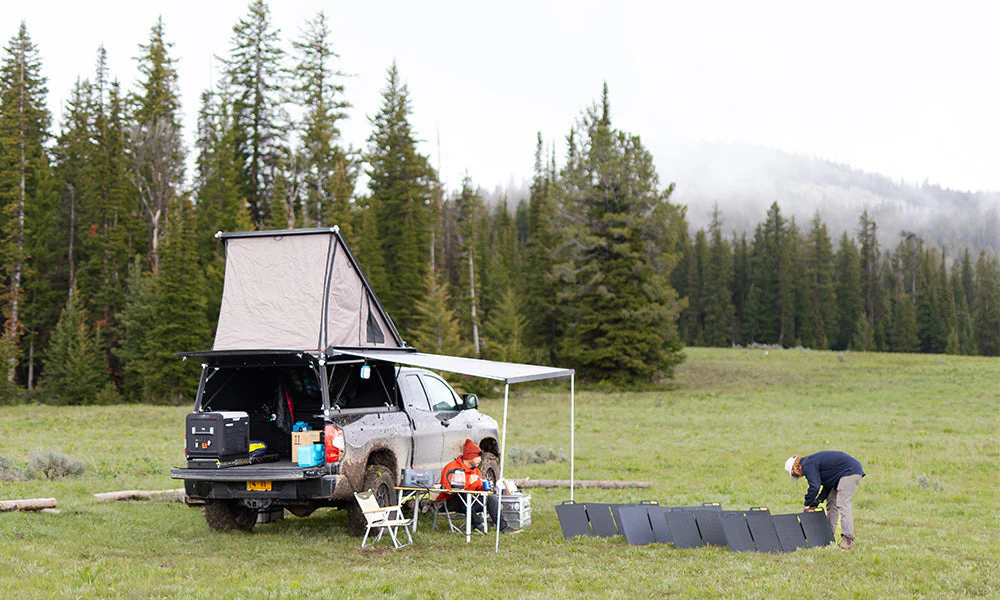
We all work for money and it is a precious resource to meet our needs, wants, goals and dreams. Saving money and using it judiciously is as equally important as earning it by working hard. The prices are high and rising up slowly. So it is important to cut down unnecessary expenses and explore ways to get things done with minimum resources. For example, if you travel to your favourite holiday destination, you can turn your trunk into a nice hotel. Then you can enjoy overnight car camping rather than spending huge part of your savings at star hotels and facing financial burden. You can Learn more here at https://trunk-mate.com/.

In this article, let us explore different appliances related to car camping.

As we discussed, turning your car into a hotel is an economically more viable and cheap option. What attracts us more in a hotel? A safe place with four walls, comfy mattresses, lighting which elevates mood, right! If you can buy one sleeping platform that fits your truck, you can enjoy all these facilities in your car itself. 

You need a foldable platform which can level up the car floor and provide a soft base to get relaxed.  You can learn more here at https://trunk-mate.com/ and place an order for a perfect trunk bed platform. You can arrange the lighting as per your preference and mood. That’s it! Exciting car cum hotel is ready. 

For car camping, the other things you need are car camping stoves. You can prepare your own hygienic lip smacking meals at your own convenient time. Also, you do not need to worry about the hotel closing hours as preparation of meals and having them can be done at your convenience.

Further, you also need car camping tents. Without them, this experience is not so attractive. So make sure you add this item to your things to pack list. You do need to worry about the weather conditions with this. Be it rainy or windy or sunny, things ate under your control. You are outdoors and still be safe with those arrangements. 

As per your needs, you can also take with you car camping air conditioners. Now, all these things are available at portable size and lightweight. You can happily save space in the car and can have a positive experience with car camping.

With the above few appliances, you can see a big chunk of the hotel stay budget. Further, you can use these appliances for many years. Recurring use of the appliances makes worthy of buying.