Category

Automotive

Category

Hearing unusual noises when applying your brakes can be alarming. Brake sounds often indicate underlying issues that require attention to ensure safety and maintain vehicle performance. Sunshine Auto Repair helps drivers understand common causes of brake noise and the importance of addressing them promptly.

Common Types of Brake Noise

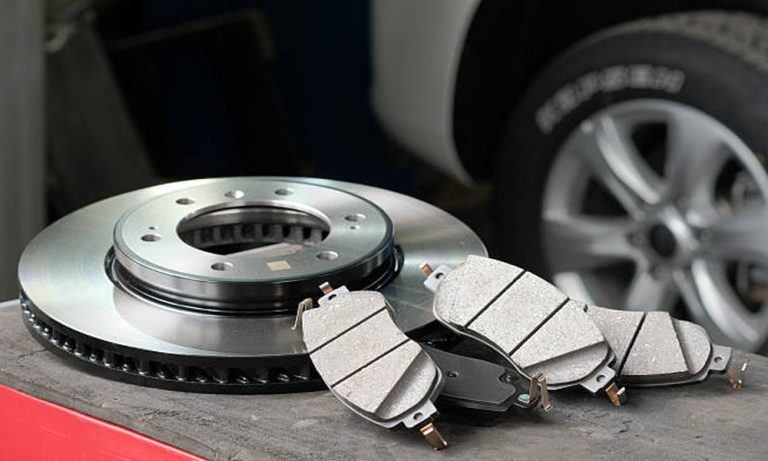
Brake noise can take many forms, each pointing to a different issue. A squealing or high-pitched sound often comes from worn brake pads. Many brake pads have wear indicators that emit a squeal when the material is low, alerting drivers that replacement is needed.

Grinding noises, on the other hand, are more serious. Grinding typically occurs when brake pads are completely worn down, causing metal-to-metal contact with the brake rotors. This can damage the rotors and lead to costly repairs if not addressed quickly.

Causes Beyond Worn Pads

Brake noise is not always caused by worn pads. Loose or worn hardware, such as calipers, shims, or clips, can cause rattling or squeaking. Corrosion or rust buildup on rotors may also lead to unusual sounds, particularly after vehicles have been exposed to moisture.

Additionally, glazed brake pads or rotors-often caused by excessive heat-can create a squeaky or squealing sound. This glazing reduces braking efficiency and requires professional attention to restore proper performance.

When to Seek Professional Help

While some minor brake noises can be temporarily addressed, persistent or worsening sounds should be inspected by a professional. Mechanics can measure pad thickness, check rotor condition, and ensure all components are properly installed and functioning. Ignoring brake noise can compromise stopping power, putting drivers and passengers at risk.

Preventive Measures

Regular brake inspections are key to avoiding unexpected problems. Checking brake pads, rotors, and related hardware as part of routine maintenance helps identify wear early and prevent more serious damage. Timely replacement of worn parts ensures smooth operation and a quieter ride.

Addressing brake noise promptly not only preserves vehicle performance but also ensures safety on the road. By understanding the potential causes and taking proactive steps, drivers can maintain reliable braking and avoid costly repairs. Paying attention to brake sounds is a simple but effective way to keep your vehicle safe and performing at its best.

This post was written by a professional at Sunshine Auto Repair. Need car maintenance near you, reliable auto repair near you, or the best auto mechanic near you in El Cajon, CA? For over 20 years, Sunshine Auto Repair, our family-run shop, has provided honest service, fair prices, and expert care for cars, SUVs, trucks, and commercial vehicles. Click here to learn more!

Key Highlights

  • Brokers often utilise established networks to access inventory that remains invisible to the general public.
  • Operating without expensive showrooms allows intermediaries to pass significant operational savings directly to the buyer.
  • A broker works for the purchaser rather than a specific manufacturer, which ensures the advice aligns with your needs.
  • Outsourcing the negotiation and administrative heavy lifting transforms a complex process into a streamlined transaction.
  • Proper vetting of your chosen intermediary prevents common pitfalls associated with third-party vehicle sourcing.

Introduction

The path to vehicle ownership in Singapore is notoriously fraught with financial hurdles and administrative complexities that can overwhelm even seasoned buyers. High Certificate of Entitlement premiums and tiered taxation structures turn what should be a straightforward purchase into a strategic financial decision.

Many prospective owners naturally gravitate towards traditional showrooms where the process feels familiar and tangible. However, a growing segment of the market has begun to question whether the standard dealership route offers the most competitive value. This curiosity has propelled the sector of car brokers in Singapore into the spotlight as buyers seek alternatives to the rigid pricing models found on the showroom floor. We must examine whether these intermediaries truly possess the capacity to secure superior terms or if they simply add another layer of fees to an already expensive transaction.

The Economics of the Middleman

A common misconception suggests that adding a third party to a transaction inevitably increases the final cost. This logic holds true in retail environments but fails to account for the unique dynamics of automotive procurement. Traditional dealerships carry immense overheads arising from prime real estate rentals and substantial inventory holding costs. These expenses are invariably baked into the sticker price of every unit on the lot.

In contrast, a broker operates with a significantly leaner business model. They rarely stockpile physical inventory or maintain lavish display centres. This agility allows them to source vehicles directly from distributors or wholesalers at trade prices. By bypassing the markup required to sustain a physical showroom, they can offer a final price that undercuts the dealership while still retaining a margin for their service. The savings are not magical but structural. They emerge from a supply chain that eliminates the expensive necessity of maintaining a fleet of vehicles waiting for buyers.

Access Beyond the Showroom

The influence of a competent car broker in Singapore can extend beyond mere price adjustments. Their value proposition leans heavily on access to broader inventory networks that remain inaccessible to the average walk-in customer. When you engage with standard car sales staff at a dealership, their objective is to move the specific stock currently sitting on their lot. Their recommendations are inherently limited by what they need to sell rather than what you might actually want to buy.

Brokers flip this dynamic by acting as procurement agents rather than sales representatives. They scan the entire market to locate specific configurations or models that align with your requirements. This approach is particularly advantageous when seeking discontinued models or specific trim levels that official dealers no longer prioritise. The broker leverages relationships across multiple sourcing channels to find the vehicle that fits the buyer, rather than fitting the buyer to the available vehicle.

The Value of Professional Negotiation

Negotiating a five-figure or six-figure purchase requires a specific skillset that most consumers use only once every few years. Professional intermediaries negotiate contracts daily. This frequency gives them a distinct advantage in identifying where margins can be squeezed and where additional value can be extracted. They understand the intricacies of financing interest rates, insurance premiums, and hidden administrative fees that often bloat the final invoice.

When you utilise a broker, you are effectively outsourcing the confrontation and stress associated with price haggling. They insulate you from the high-pressure tactics often employed in traditional car sales environments. The transaction becomes a clinical exchange of requirements and offers rather than an emotional battle of wills. This professional distance often results in clearer terms and a lack of the ambiguity that plagues consumer-direct negotiations.

Verifying the Intermediary

While the potential for savings is tangible, the brokerage model requires a high degree of trust and due diligence from the buyer. Not every entity claiming to be a broker operates with the same level of integrity or capability. The barrier to entry in this field can be lower than establishing a full-fledged dealership, which invites varying levels of professionalism.

You must rigorously vet the credentials of any agent you consider engaging. A legitimate broker should have a transparent fee structure and verifiable references from past clients. They should operate with clear contracts that outline their responsibilities and your liabilities. The absence of a physical showroom does not absolve them of the need for professional accountability. You must ensure their banking facilities are secure and that they have a registered business presence that complies with local regulations.

Conclusion

The decision to bypass the dealership in favour of a broker is not merely about saving a few dollars but about rethinking the acquisition process. A skilled broker offers a bespoke service that prioritises your specific needs over inventory pressure. They strip away the unnecessary overheads of the traditional retail model to reveal the true cost of the vehicle. For the discerning buyer who values both their capital and their time, the brokerage route offers a compelling alternative to the conventional showroom experience.

Contact M Motors immediately to experience a seamless, transparent buying process that puts your needs in the driver’s seat!

Vehicle protection starts with technology. Modern cars use digital security. Immobilizer systems block engine use. Unauthorized users cannot start vehicles. Electronic control stops ignition instantly. Security remains extremely important today. Every car needs active defense. Smart modules monitor access constantly. Faulty signals prevent engine activation. Reliability must guide system design. Strong technology reduces theft risks. Proper setup ensures smooth operation. Skilled technicians handle programming tasks. Correct coding protects vehicle systems. Choosing Southwest Muffler & brake helps. Experts understand secure network links. Professional service prevents future failures. Dependable systems protect valuable assets. Safety improves through advanced planning. Vehicles deserve layered protection always. Smart strategy builds lasting dependability. Technology keeps security consistently strong.

Accessing Encrypted Security Software Safely

Certified experts use licensed software. Digital encryption protects security data. Only authorized tools bypass locks. Generic scanners often fail here. Data corruption destroys the module. This leads to total lockouts. Specialists avoid these costly mistakes. Proper tools maintain data integrity. Technicians at Southwest Muffler & brake use scanners. They analyze every single signal. This prevents any signal loss. Proper grounding prevents strange bugs. The vehicle remains safe always. Accuracy is the goal here. Reliable power keeps modules active. Protection remains strong every season. Your car needs solid ground. Metal clamps must stay firm. Clean paths ensure fast starts. Stability protects the electrical flow. Regular checks keep metal clean. Every terminal gets careful attention. Power flows freely through metal. Precision saves the expensive hardware. Reliable signals guarantee every start.

Understanding Complex Digital Network Wiring

Modules talk through digital networks. The data travels through wires. This network is the bus. Certified mechanics read wiring diagrams. They find hidden wire breaks. Improper probing causes short circuits. Sensitive electronics fry very easily. Proper testing requires specialized meters. Experts at Southwest Muffler & brake, the finest Auto Repair in Houston, TX based company scan buses. They provide best technical support. Maintenance extends the life here. Your car stays ready always. Reliability is a long goal. Stay safe with smart systems. Proper care protects the asset. Accuracy keeps the car quiet. Testing ensures the link stays. Safety requires fresh power sources. Sturdy metal screws provide best. Connections stay perfectly tight always. The frame supports the wire. Stability protects the electrical flow. Sensors require a clean signal. Final tests prove the work. Data integrity protects the car.

Handling Sensitive Surface Mount Components

Internal repairs require surgical precision. Circuit boards use tiny parts. Certified hands avoid static damage. Static electricity kills digital chips. Proper soldering prevents joint cracks. Experts use high magnification tools. This ensures every bond stays. Rough handling ruins the board. Specialists at Southwest Muffler & brake sync fobs. They find every hidden break. Proper setup prevents wrong readings. The car remains safe always. Accuracy is the primary goal. Reliable power keeps engine active.

Automotive technology has advanced far beyond traditional garage-based repairs. Today’s vehicles integrate complex electronics, smart sensors, and onboard computer systems that demand immediate and intelligent support when issues arise. This evolution has fueled the growth of mobile automotive assistance, where trained professionals bring advanced repair capabilities directly to the vehicle’s location.

Mobile Assistance Meets Advanced Vehicle Systems

Modern vehicles function as interconnected technological systems. Engine control units (ECUs), electronic brake systems, and intelligent battery management modules constantly exchange data. When a fault occurs, it is no longer just a mechanical issueit is often a software or sensor-related problem. A trained mobile mechanic now uses diagnostic scanners and digital tools on-site to communicate with vehicle systems, identify fault codes, and initiate corrective actions without towing the vehicle to a workshop.

On-Site Diagnostics and Real-Time Problem Solving

Automotive technology has enabled roadside diagnostics that were once only possible inside service centers. Mobile assistance vehicles are equipped with advanced diagnostic equipment capable of reading real-time vehicle data. This allows technicians to assess engine performance, battery health, transmission errors, and emission system faults instantly. The ability to diagnose problems on location saves time, reduces downtime, and prevents minor issues from escalating into major repairs.

Smart Battery Systems and Power Management

With the rise of hybrid and electric vehicles, battery technology has become a critical focus in automotive repair. Mobile assistance services now include specialized support for complex battery systems, charging issues, and power distribution faults. Technicians trained in modern automotive technology understand voltage regulation, safety isolation procedures, and thermal management. This expertise allows mobile assistance to safely handle power-related issues in both conventional and electric vehicles

Integration of Telematics and Connected Vehicles

Connected vehicle technology has transformed how breakdowns are managed. Telematics systems can transmit faulty data directly to service providers, enabling mobile assistance teams to prepare before arriving on-site. This predictive approach improves repair accuracy and efficiency. A modern mobile mechanic often arrives already informed about the vehicle’s condition, required tools, and potential solutions, thanks to data-driven automotive systems.

Reducing Dependence on Traditional Workshops

Automotive technology has reduced the need for towing in many situations. Software resets, sensor recalibration, battery replacement, fuel system priming, and minor mechanical adjustments can now be performed roadside. This shift benefits vehicle owners by minimizing service delays and reducing transportation costs. Mobile assistance bridges the gap between emergency response and full-scale workshop repair, offering a flexible and technology-enabled solution.

Safety and Precision in Mobile Automotive Repair

Safety remains a core principle in automotive technology. Mobile assistance technicians follow strict protocols when working on the roadside, especially with high-voltage systems and autonomous vehicle features. Precision tools, insulated equipment, and standardized procedures ensure repairs meet manufacturer specifications. This professional approach maintains vehicle integrity while delivering convenience.

The Future of Mobile Automotive Technology

As vehicles adopt AI-driven systems, autonomous features, and over-the-air updates, mobile assistance will continue to evolve. Future mobile services may include remote software updates, sensor recalibration for driver-assistance systems, and predictive maintenance alerts delivered directly to vehicle owners. Automotive technology is positioning mobile assistance as a permanent and essential part of vehicle ownership.

Mobile automotive assistance is no longer limited to jump-starts and tire changes. Powered by advanced automotive technology, it has become a sophisticated, data-driven service capable of addressing complex vehicle issues on-site. By combining mobility, diagnostics, and technical expertise, modern mobile assistance delivers faster solutions, greater convenience, and smarter vehicle care for today’s drivers.

Electric vehicles are no longer niche; they’re becoming a mainstream choice for everyday drivers. Due to the market diversifying, GAC has emerged as a strong alternative to more established EV brands, offering models focusing on real-world usability and cost efficiency. Individuals evaluating their next EV car in Singapore must know why GAC stands out for delivering practical performance, competitive features, and technology tailored for urban use.

Powertrain and Driving Experience

GAC EVs are engineered with smooth acceleration and quiet operation in mind, delivering a driving experience that is well-suited for both city traffic and highway cruising. Their electric motors typically produce instant torque, resulting in responsive acceleration that surpasses most traditional combustion engines in urban settings. This characteristic makes GAC vehicles especially practical for start-stop traffic conditions. Moreover, regenerative braking enhances driving efficiency by recovering energy during deceleration.

GAC’s advanced EV platforms also ensure solid handling, improved ride comfort, and minimal vibration, even on longer drives. The driving range for most models is competitive, with several options offering over 400 km per charge, supporting both daily commutes and occasional road trips across the island.

Battery, Charging, and Efficiency

Charging infrastructure and battery reliability are top concerns when purchasing an EV. GAC EVs are designed with fast-charging capabilities, allowing drivers to charge up to 80% in approximately 30–40 minutes at compatible stations. This feature ensures convenience for users who rely on public charging points or are limited to urban locations with limited home charging access. Their lithium-ion batteries are built to maintain capacity over extended cycles, supported by intelligent thermal management systems that optimise performance in hot, humid climates.

GAC models are also known for energy-efficient systems that reduce battery drain by managing power consumption in components such as air conditioning and infotainment.

Interior Design and Technology Integration

The cabin of a GAC EV reflects the brand’s focus on tech-savvy consumers. Expect large digital instrument panels, infotainment touchscreens with smartphone connectivity, and built-in navigation. Many models support wireless charging, AI voice controls, and smart vehicle diagnostics through connected apps. The interior layout tends to favour minimalism without compromising ergonomics, providing sufficient legroom and storage, especially for compact SUVs and sedans. Quality materials and clean aesthetics are common across the GAC lineup, aligning with modern expectations for EV styling. Features such as ambient lighting, customisable displays, and premium audio systems further enhance the driving experience.

ALSO READ: Understanding the Differences Between EV and Petrol Cars

Safety Systems and Driving Assistance

GAC EVs are equipped with comprehensive safety features that meet international standards. Most models include advanced driver assistance systems (ADAS) such as lane keeping assist, adaptive cruise control, forward collision warning, and automatic emergency braking. These features are particularly useful for navigating the city-state’s busy roads and expressways.

In addition to these active safety technologies, GAC models are built with reinforced bodies and multiple airbags to ensure passenger protection during impact. The integration of 360-degree camera systems and parking sensors simplifies manoeuvring in tight urban spaces, which is critical for daily use in the region’s dense urban layout.

Environmental Impact and Incentives

Choosing a GAC EV aligns with the city-state’s push towards sustainability. Drivers reduce tailpipe emissions and contribute to lower urban pollution by switching from internal combustion to electric. GAC’s manufacturing also emphasises eco-friendly practices, with models designed to meet global emissions and recyclability standards.

Singapore’s EV Early Adoption Incentive (EEAI), along with the Vehicular Emissions Scheme (VES), can lower upfront costs for new buyers, making GAC EVs even more accessible. These government incentives, coupled with lower running costs and maintenance requirements, add financial appeal to the environmental benefits.

Conclusion

GAC EVs offer a practical, efficient, and technologically advanced solution for drivers switching to electric mobility. GAC stands out among EV options due to its reliable performance, smart technology, and compatibility with the urban environment. Whether you’re commuting daily or driving longer distances, a GAC EV car in Singapore delivers convenience, reliability, and sustainable value.

Visit AION and find out how your next car can be smarter, cleaner, and built for the city.

Flight disruptions are no longer rare occurrences; they’ve become routine challenges for both travellers and transport providers.

In Singapore, where efficiency and punctuality are part of the service standard, airport limousine companies are under increasing pressure to address the effects of delayed and cancelled flights. These disruptions don’t just affect schedules; they test the responsiveness and flexibility of every limousine service in Singapore.

Discover how airport limo providers have shifted their operations, introducing new systems and policies that address the realities of modern air travel head-on.

Real-Time Flight Tracking for Service Accuracy

One of the most significant upgrades in how providers manage delays is through real-time flight monitoring. Most limousine serviceplatforms now integrate with airline APIs and flight-tracking software to receive up-to-the-minute updates on a passenger’s flight status. This feature allows chauffeurs and dispatchers to time pickups accurately, minimising idle wait times and ensuring that the vehicle is not dispatched too early or too late. This proactive approach not only enhances customer satisfaction but also optimises the allocation of the vehicle fleet, which is critical during peak travel hours or public holidays.

Flexible Booking Policies to Encourage Confidence

Customers booking an airport limoexpect flexibility, especially when air travel is unpredictable. Due to this, many limousine service providers now offer revised cancellation and rescheduling policies. These policies typically include waiving cancellation fees for flight-related disruptions and offering credit vouchers for rebooking. Some firms also permit customers to adjust their booking windows up to two hours before the scheduled time without incurring extra charges. This approach helps in building loyalty among business travellers and international tourists, who are most affected by such travel uncertainties.

Chauffeur Scheduling and Standby Protocols

Operationally, the impact of delays and cancellations trickles down to chauffeur availability. Limousine service companies have modified driver rosters and introduced on-call standby drivers. Rather than assigning chauffeurs rigid schedules, some providers now operate with flexible driver pools that can respond to last-minute changes. This approach allows them to cover delayed arrivals or accommodate multiple rescheduled pickups without compromising service quality or response time. These changes also reduce driver burnout and improve staff morale in the long run.

Customer Communication and Dispatch Transparency

Effective communication has become a differentiator. Leading providers of limousine service have invested in mobile apps and notification systems that keep passengers updated. Clients receive real-time SMS or app notifications about the estimated arrival time of their vehicle, the name of the assigned chauffeur, and any changes in the booking status. Dispatchers are also trained to provide proactive updates when delays occur, offering options such as alternate vehicles, rescheduling, or holding the driver for a defined period. Transparent communication eliminates uncertainty and improves the end-user experience.

Adapting Premium Services to Uncertain Timelines

Flight delays often extend travel timelines, and luxury travellers expect comfort during these moments. Many airport limos in Singapore have responded by elevating the onboard experience. This feature includes providing complimentary Wi-Fi, refreshments, and mobile charging ports as part of the standard package, especially for clients affected by delays. Some services even offer extended waiting periods of up to 90 minutes at no extra cost for airport pickups, cushioning the impact of delays and reducing client stress.

Partnerships with Travel Management Firms and Airlines

Several limousine companies have partnered with travel management firms and airline concierge services in a bid to create seamless service integration. These partnerships enable better data sharing, such as passenger itineraries and changes in flight schedules, allowing limo providers to adjust operations accordingly. This approach improves logistics coordination and ensures that VIPs or executives for corporate accounts receive uninterrupted ground transportation, regardless of flight disruptions.

Conclusion

Flight unpredictability is now a permanent fixture in air travel. Instead of resisting this reality, providers of airport limos in Singapore have adapted with smart technologies, service flexibility, and customer-centric policies. The evolution of limousine services shows that premium transportation providers are capable of meeting modern traveller demands, even amid chaos at the runway. The end result is a more resilient and responsive sector that meets the demands of both business and leisure travellers as they navigate an increasingly turbulent air travel market.

Contact Titanium Limousines and let us help you travel without the guesswork.

You already know what it’s like. That surge of heat you feel the moment you open your car door. The steering wheel is too hot to touch, the seats burn, and you’re scrambling to turn on the air-con. In Singapore, this is more than a once-in-a-while problem. It happens every day. That’s why more drivers are choosing car tinting Singapore services. These tints are not just about looks. They help reduce heat, protect your interior, and make your time on the road more comfortable.

Tired of Sweating Inside Your Car? You’re Not Alone

Singapore’s weather hits hard, especially when your car is parked outside. The heat builds quickly and stays trapped. Getting back in feels really hard to tolerate. Your air-con struggles to cool it down, and your fuel use climbs as a result.

That’s where better tinting makes a difference. Certain films can reflect as much as 90% of the heat, keeping your car cooler right away. You won’t need to blast the air-con as much which saves you money in the long run. Many drivers now turn to heat rejection window film Singapore shops in Singapore for this exact reason.

It’s Not Just Heat. Your Skin Deserves Protection Too

UV rays are something most people overlook when driving. But regular glass does not block them well. Your arms, face, and eyes are still exposed to its harmful effects. Having been exposed over time, that damage adds up which leads to skin ageing or dryness after several long drives.

The good news is car tints have UV protection and different providers offer high-quality films that block up to 99% of these harmful rays. This makes a big difference if you drive daily or have children riding with you. It’s one of the easiest ways to stay safe without changing how you drive.

Tired of Feeling Exposed in Traffic? Here’s the Fix

Privacy on Singapore roads can be hard to come by. Whether you’re parked or stuck in traffic, it often feels like everyone can see inside your car. But if you go too dark, your tint might not meet LTA rules.

The right tint gives you privacy without breaking any regulations. You can still see clearly, day or night, and others can’t easily see in. This is where premium car window tinting Singapore options stand out. They offer that sleek look you want, along with safety and legal compliance.

Glare Can Ruin Your Focus. Don’t Let It

Sun glare can hit your eyes while you are driving. Sometimes it reflects off wet roads or nearby vehicles. When that happens, your visibility drops fast. It becomes hard to see, even for just a few seconds.

Smart tinting fixes that. It softens the sunlight and reduces the sharp contrast that leads to squinting. Whether you’re on the expressway or heading through a busy junction, a good tint helps you keep your eyes on the road.

Not All Tints Are the Same. Choose the Best Option for Your Needs.

There are several types of tints available, and the most affordable one is not always the best fit for your needs

  • Dyed films tend to lose their color more quickly and offer less heat rejection
  • Metal films are effective in reflecting heat but may interfere with GPS and mobile signal reception
    Carbon films block heat without signal problems and last longer.
  • Ceramic films are more advanced. They offer top-level heat and UV protection and do not interfere with tech in your car.

With so many automotive window tint services SG available today, it’s easier than ever to compare features and pricing. Working with a trusted car tint installer ensures you get something that lasts and performs well.

Check Before You Tint. Warranties Matter

Some car owners don’t realise that tinting could affect their warranty. Depending on your vehicle, sensors or glass-related systems might not work well with low-grade films.

Be sure to check with your installer if the tint works well with your vehicle’s electronic system. The best shops will explain what’s safe and provide documents to support it. If they back their product with a solid warranty, that’s a sign you’re in good hands.

Don’t Let a Cheap Tint Job Cost You Later

A quick tint job at a low price might sound good. But if it starts peeling or bubbling after a few months, you’ll be paying again. Worse, you could be pulled over if it doesn’t meet LTA guidelines.

Ask these questions before agreeing to a service:

  • Is this tint legal for Singapore roads?
  • Does it come with a warranty?
  • Will it affect my car’s systems or electronics?
  • What is the preparation and installation process?

Many drivers choose experts in solar film installation for peace of mind. These providers prioritize lasting performance over temporary fixes.

You’re Ready for Smarter Driving. Your Car Should Be Too

The car tinting industry is developing fast. New technology allows for better heat rejection, stronger UV protection, and even tints that adjust with the light. These improvements give you a smoother, safer ride.

If your car still struggles with heat, glare, or lack of privacy, it’s time to upgrade. The best tints now meet legal standards while protecting your health and comfort. Once installed, the difference is clear every time you step inside.

Cross-border freight transport is important for international trade since it helps goods move easily across borders and continents. Precise weighing provides the basis for this multilevel process in facilitating safety, compliance, and efficiency. Without correct weighing systems in place, a business faces severe fines, infrastructural damages, and delays in operation, each of which has the capacity to disrupt supply chains.

Understanding what weighing means for cross-border shipping helps businesses find ways to optimise their operations while staying compliant with international rules.

1. Conformity to International Regulations

Every country has certain weight limits for trucks to save roads from damage and for safety reasons. If you don’t stick to these rules, you might run into the following issues:

  • Overloaded vehicle fines and penalties.
  • Delays at borders as authorities check the weights of loads.
  • Inability to enter some countries due to failing set regulations.

Accurate weighing systems help companies ensure their vehicles do not exceed required weight limits, avoiding legal issues and have a smooth cross-border operations.

2. Enhancing Safety Across Borders

Overloading trucks is against the law, and it is hazardous and risky to do so. Poor loading and overweight may increase the number of vehicle accidents, especially over very long cross-border routes.

Compromised braking efficiency makes the loss of vehicle control probable, while distributing the weight improperly during loading can reduce the safety of drivers.

These risks can be negated by introducing proper weighing systems that ensure load optimisation distributions, making sure they are within acceptable limits hence resulting in safer journeys across international boundaries.

3. Securing Transport Infrastructure

Overloaded trucks are the primary cause of road damage, particularly on highways and bridges. When it comes to cross-border freight transport, where vehicles travel immense distance, there is even more wear and tear on infrastructure. It is very expensive to repair this damage, further depleting government budgets and increasing burdens on taxpayers.

Weight mesuring thus supports businesses in minimising the impact on transport infrastructure and allows for a long-term view of ensuring smooth cross-border trade routes.

4. Smoothing Customs and Border Processes

Bordercrossing is generally a logistical bottleneck in international freight transport because customs require detailed information on the transport load. Precise, pre-verified weight information simplifies all these processes by:

  • Reducing time spent at customs checkpoints
  • Minimising the number of manual weight inspections
  • Making sure perishable or time-sensitive goods clear faster.

Efficient weighing practices save critical time for a business, help it meet tight delivery schedules, and improve overall productivity.

5. Savings in Operational Costs

Operational costs for freight transport can easily get out of hand when trucks are overloaded. Excess weight raises fuel consumption and hastens wear and tear on the vehicle, which results in higher maintenance costs. In addition, fines and penalties for non-compliance translate into unnecessary financial burden.

  1. Maintaining Freight Integrity

The integrity of goods transported during cross-border freight transportation must be considered. When trucks are overloaded or not loaded properly, they can wreck goods, especially those that are fragile or perishable. When you’re on long trips, the cargo can shift or even fall over if the weight isn’t spread out right.

Weighing stuff accurately ensures everything’s loaded properly, the goods in top shape and there’s no damage during transport.

7. Facilitating Seamless Global Trade

Weighing systems help to keep international trade working efficiently. Accurate load measurements assist businesses in the following:

  • Avoid delays because of non-compliance with weight regulations.
  • Gaining the trust of customs and trading partners with open, transparent load data.
  • Meeting global standards of trade, adding to their good reputation and competitiveness in global trade.

This boosts connectivity in a smooth world of trade thanks to efficient cross-border transport driven by businesses.

Weighing systems play a key role in freight transport across borders. They help companies follow the rules, keep things safe, and save money. It’s crucial because there’s a lot on the linefrom protecting infrastructure to ensuring cargo stays secure.

Businesses that take accurate weighing seriously can avoid unnecessary costs like fines and delays. Plus, it helps them build a solid reputation in the global trading scene. So, putting money into effective weighing practices is a smart move for achieving operational excellence and long-term success in international logistics.

It’s always a struggle for the fleet manager to keep efficiency at its best while controlling the high vehicle maintenance costs. Among these challenges, one of the most persisting ones is damage to the truck bed from heavy, abrasive, and sticky loads. Every ding and scratch on a truck bed is basically lost potential—money that’s gone and time that could’ve been spent better. That’s why it’s smart to get tough solutions that save you cash and boost how well everything works.

That’s where OKUSLIDE® truck bed liners can help. A modern line of products to make fleet operations so much easier. But are truck bed liners worth it for any fleet manager?

Let’s break down their value and other benefits.

The Hidden Costs of Fleet Maintenance: Why Truck Bed Protection Matters?

Routine maintenance of the fleet goes far beyond simple oil changes and rotation of tyres. Truck beds have an exceptionally high rate of wear and tear in:

  • Heavy Loads and Abrasive Materials: Construction debris, agricultural products, or industrial waste scratch, dent, or corrode traditional truck beds.
  • Challenging operational environments: The environment, including bad weather, low temperatures, and chemicals can lead to degradation.
  • Elevated Maintenance Expenses: More the repairs or replacements, more it leads to avoidable costs to fix damages to the truck bed.
  • Operational Delays: The time required to fix the damaged beds postpones shipments and impacts customer satisfaction, creating a ripple effect on productivity.

For the fleet manager, all these risks are not optional. They are a must-do to stay ahead of the competition.

What Makes OKUSLIDE® Truck Bed Liners Different?

When it comes to premium truck bed liners, OKUSLIDE® is on the edge, introducing new technology to ensure top-notch performance. Here’s what sets them apart:

  • Resilience for Severe Application: OKUSLIDE® liners are designed to withstand severe abrasive and heavy loads, which do not corrode, freeze, or build sticky material.
  • Advanced Sliding Properties: Its anti-friction surface facilitates quicker unloading with significantly less effort, which in turn enhances overall efficiency.
  • Proven Reliability: Fleet operators around the globe rely on these liners because they’re all about top-notch quality and fresh ideas.

Whether your fleet moves construction materials, agricultural products, or industrial waste, liners like these provide toughness and handiness even in the most challenging conditions.

Why OKUSLIDE® is the Choice of Fleet Managers: Key Benefits

The investment in truck bed liners has a positive impact on fleet operations, including but not limited to the following:

  1. Durability in Protection

The OKUSLIDE® truck bed liner protects against damage, such as scratches, dings, and rust which are caused by flying abrasive cargo. This prolongs the life of the truck bed while reducing the frequency and time spent in the repair yard.

  1. Savings Mount

OKUSLIDE® liners offer significantly longer life for fleet managers compared to older options, such as traditional aluminium-only beds, at a lower replacement cost. In addition, their low-maintenance nature means they seldom require servicing.

  1. Improved Operational Efficiency

Anti-friction OKUSLIDE® makes unloading easier and more straightforward, allowing for smaller bed tilt angles. This means there’s less time spent moving stuff around, which makes things get done faster and boosts productivity.

OKUSLIDE® Truck Bed Liners Benefits for Specific Industries

OKUSLIDE® truck bed liners are a product versatile enough to serve nearly any industry with ease:

  • Construction: Haul gravel, sand, and concrete with ease.
  • Agriculture: Haul crops, fertilisers, or animal feed without sticking to a mess.
  • Waste Management: Ease the process of heavy and sticky refuse unloading.
  • Logistics and Transport: Increase efficiency when handling an array of cargoes.

The fleet managers of these respective industries have spoken highly of it, citing massive cost savings and improved vehicle performance when OKUSLIDE®  truck bed liners have been installed.

Business Case: Is a Truck Bed Liner Worth the Investment?

  1. Capital Expenditure vs. Lifetime Value

Installing truck bed liners requires a high initial investment. But, their durability and performance make it worthwhile. Fleets benefit from lower repair costs and less downtime, ensuring a good return on investment over time.

  1. Beating Alternatives

With unparalleled longevity and anti-friction ability compared to other liners, OKUSLIDE® has the potential to optimise fleet operations and become an intelligent option when weighed against traditional alternatives.

  1. Tax Credits/Insurance

In addition to savings from operational efficiencies and environmentally friendly fleets, OKUSLIDE® boasts of reaping extra cost-saving benefits in tax credits or reduced insurance.

Verdict: Are OKUSLIDE® Truck Bed Liners Worth It?

If you consider cost reduction and maximum uptime as some of the major priorities, then yes. OKUSLIDE® bed liners for trucks are durable, efficient, and cost-effective. They protect the truck bed and amplify operational performance.

Be it a fleet of five or fifty, these liners are worth considering for their proven performance in extending the life of a truck bed and lowering overall maintenance costs.

Explore the benefits of using a truck bed liner today and enhance the success of your fleet. Find out more about truck bed liners.

Power seats are standard in modern cars because they offer unrivalled comfort and convenience. Beyond their ease of adjustment, these chairs include several overlooked safety measures. Understanding these components is crucial for driver and passenger safety. This page describes important power seat safety features.

Detecting Obstructions: A Preventative Step

Obstruction detection is one of the most important safety elements in power seats. Any object or body component that might be impeding the seat’s mobility is detected by this system using sensors. For instance, in order to prevent harm or damage, the system would instantly stop the motor if a child’s hand or a small object is underneath the seat while the seat is being adjusted. For expert maintenance of such advanced features, consider Auto Repair in Escondido, CA, where specialists ensure your vehicle’s safety systems are in top condition. This function is especially crucial in cars with power seats in the back where small children might be riding.

Anti-Submarining Technology: Enhancing Restraint

One essential safety feature that keeps passengers from sliding under the seatbelt in the event of a crash is anti-submarining technology. The seat cushion of power seats with this technology typically has a ramped or curved form. By keeping the occupant firmly in place within the seat, this design makes it possible for the seatbelt to effectively restrain them in the case of an abrupt stop or collision.

Integration of Seatbelts: A Coordinated Strategy

A lot of contemporary power seats are made to cooperate with the car’s seatbelt system. The seatbelt’s effectiveness in a crash may be impacted by the angle and location of the seat. Depending on the weight and size of the occupant, some sophisticated systems use sensors to adjust the seat position for optimal safety. To guarantee coordinated operation, the power seat system is frequently connected with seatbelt pretensioners, which tighten the seatbelt in the case of an impact. This synchronized strategy lowers the chance of injury during a collision by improving the safety system’s overall effectiveness.

Proper Maintenance and Usage: Ensuring Functionality

Power seats, like all safety features, need correct use and maintenance. Check the seat often to ensure smooth movement. Bulky items behind the seat can impede obstacle detection. Also important is following the manufacturer’s seat adjustment and use instructions. Overloading or pushing the seat beyond its range of motion might damage the mechanism and compromise safety. Follow these tips to keep your power chairs safe and comfortable.

Conclusion

As power chairs become increasingly complex, safety and technology must be updated. Power seat safety features are detailed in your car’s owner’s manual. Keep up with industry news to learn about changes and enhancements. Keeping oneself informed lets you protect yourself and your passengers and make smart automobile safety decisions.