Category

Maintenance

Category

Long road trips put heavy stress on the engine. The cooling fan plays a vital role here. This component prevents the motor from overheating quickly. Reliable fans ensure a safe journey for everyone. Neglecting this part leads to major mechanical failures. Proper maintenance keeps the vehicle running very smooth. You must check the fan before every trip. This guide helps maintain cooling system health effectively.

Inspecting the Fan Blades for Physical Damage

Now you should look at the plastic blades. Cracks often develop during hot summer months. Debris from the road hits the fan assembly. These small impacts cause the blades to chip. Damaged blades create a very dangerous imbalance. The motor vibrates heavily when blades are broken. Sometimes the fan will even shatter during use. This creates a need for an immediate Auto Repair in New Orleans, LA specialist. You should check for any signs of bending. Straight blades move the air much more efficiently.

Testing the Fan Motor and Electrical Connections

The electric motor drives the cooling fan blades. Wiring often becomes brittle from high engine heat. You must check the plugs for any corrosion. Loose connections stop the fan from spinning fast. Sometimes the motor brushes wear out completely. You can test the fan by idling long. The fan should kick on when heat rises. If the fan stays still, call Tim’s Quality Care Care. They provide excellent diagnostics for cooling electrical systems. Clean contacts ensure the power flows very steadily. Electrical health is vital for long distance driving.

Evaluating the Radiator and Airflow Path

Air must flow freely through the radiator fins. Dirt and bugs block the vital air passages. The cooling fan struggles when paths are clogged. You should spray the radiator with low pressure. High pressure water can bend the delicate fins. But clean fins allow for maximum heat exchange. The fan pulls air through these tiny gaps. If the radiator is blocked, the fan fails. You need a clear path for cool air. Tim’s Quality Care Care technicians suggest cleaning the grill area often. This simple step prevents the engine from seizing.

Checking the Fan Relay and Temperature Sensor

The temperature sensor tells the fan to start. A faulty sensor leaves the engine too hot. The fan relay acts as a power switch. Sometimes these small parts fail without any warning. You can swap the relay to test function. Now listen for the fan during slow traffic. It should roar when the car stops moving. If the radiator stays quiet, check the fuses. Correct sensor readings keep the fan working right. You should replace old sensors before long trips. Reliability depends on these small electronic parts working.

The drivetrain of a car works very hard. It moves power from the engine to wheels. Many parts must work together for this task. The differential is a key part of this system. It allows wheels to turn at different speeds. This happens mostly when the car turns a corner. Proper lubrication keeps these heavy gears moving smoothly. This is where the differential seal becomes very important. A seal holds the vital oil inside the housing. This prevents leaks and keeps the drivetrain efficient. Auto Repair in Wheatridge, CO experts often check these seals during service. Keeping the oil inside ensures the car runs well.

How Differential Seals Protect the Internal Gears

The differential contains many complex and strong metal gears. These gears spin fast and create a lot of heat. Thick oil coats every surface to reduce friction. Now the seal acts as a strong barrier. It sits where the axles meet the housing. The seal prevents the oil from dripping out. Sometimes the rubber becomes brittle or very cracked. You should trust EAS Tire & Auto to inspect these vital parts. Maintaining the seal protects the expensive gears from damage.

Maintaining Fluid Levels for Maximum Drivetrain Power

Energy moves from the motor through the spinning gears. Friction can steal power and reduce fuel economy. Good oil keeps the movement very slick and easy. The seal maintains the correct level of this fluid. But a small leak can cause big problems. Low fluid makes the gears run much hotter. Heat causes the metal parts to expand too much. Mechanics at EAS Tire & Auto understand how to fix these leaks. A tight seal ensures the power reaches the road.

Preventing Environmental Contamination of the Gear Oil

Roads are covered in dirt and deep water. The differential sits low on the car chassis. Dust and mud can enter a broken seal. These particles mix with the clean gear oil. This creates a gritty paste inside the housing. The paste acts like sandpaper on the metal. It wears down the teeth of the gears fast. Now the drivetrain becomes noisy and very inefficient. The seal keeps the outside world far away. It acts as a shield for the internal parts. You can visit EAS Tire & Auto for a professional seal replacement. Clean oil is the secret to a long life.

Conclusion

Fuel savings are important to drivers. Smooth drivetrains aid this purpose. It takes more fuel to overcome every friction. Internal gear resistance increases with leaky seals. The engine works harder to drive the car. Now fuel usage rises slowly. You may not see the change immediately. The fees build up over many miles. Replacing a defective seal saves money. It optimizes drivetrain performance. Efficiency automobiles are eco-friendlier.

Now you likely ignore your car air filter. This small part performs a very vital job. It keeps dirt away from the engine. The engine needs clean air for power. Dust will damage the internal metal parts. So, you must check the filter often. Professional eyes see things you might miss. EAS Tire & Auto provides expert eyes for every vehicle. They find hidden debris in the pleats. A clean engine lasts much longer today. You deserve a smooth and reliable ride.

The Role of the Engine Air Filter

The filter traps sand and small rocks. It acts like a shield for pistons. But dirt builds up over many miles. Airflow becomes blocked and very restricted then. The engine struggles to breathe deep air. It works much harder to produce power. This extra strain hurts your fuel economy. You spend more money at the gas pump. EAS Tire & Auto understands how filters affect your mileage. They ensure your car breathes very easy now. Sometimes a simple check saves much cash.

Signs of a Dirty Air Filter

The engine might make strange coughing noises. You could see black smoke from exhaust. The check engine light may turn on. This happens when the sensor detects clogs. Acceleration feels slow and very sluggish lately. You push the pedal but nothing happens. The car lacks the usual snappy response. Now you should visit a local shop. Auto Repair in Littleton, Co experts diagnose these common issues. They look for grey or dark patches. A bright light reveals the true condition.

Benefits of Regular Professional Inspections

The mechanics check the housing for cracks. They ensure the seal is perfectly tight. Leaks allow raw dirt into the system. This causes very expensive engine damage soon. Professionals know the exact right filter type. They avoid cheap parts that fit poorly. Your vehicle maintains its high factory performance. You enjoy a quiet and steady idle. EAS Tire & Auto technicians provide thorough and honest reports. They explain the state of your filter. This knowledge helps you plan for maintenance.

Environmental Impact and Efficiency

Clean filters reduce your total carbon footprint. The engine burns fuel more efficiently now. Less waste goes into the blue sky. You help the planet with simple maintenance. Clogged filters cause incomplete fuel combustion today. This creates harmful gases in the atmosphere. Efficient cars pass emissions tests very easily.

Conclusion

New filters prevent major engine rebuilds later. This small investment protects your large asset. You save thousands on future heavy repairs. The resale value stays quite high then. Buyers look for a good service history. You prove the car received great care. The engine remains strong for many years. It stays reliable during long road trips. Now you can drive with total confidence. Professional service keeps the vehicle very healthy. You avoid the stress of sudden breakdowns.

The car needs clean air to run. Dust enters the engine without a good filter. This debris causes heavy damage over time. You must check the part often for safety. The Import Mechanics provides expert help for all engine needs. Now you can learn why this matters today. Dirty air blocks the flow of oxygen. The engine struggles to breathe without enough air. You will notice a drop in power soon.

The Role of Pure Air

The engine acts like a pair of lungs. Pure air ensures the fuel burns very clean. Now the vehicle needs this air for energy. Sometimes the filter gets clogged with thick dirt. This blockage forces the engine to work harder. The car loses speed on the open road. You will spend more money on fuel daily. The Import Mechanics ensures your engine stays very strong always. A fresh filter keeps the internal parts safe. The car will run smooth for many years.

Fuel Efficiency and Cost Savings

Gas prices remain high for every single driver. A dirty filter wastes a lot of fuel fast. Now the engine drinks more gas to move. You can save money with a simple swap. The car achieves better mileage with clean filters. 2026 car repair experts suggest regular checks for all. The Import Mechanics offers the best service for your vehicle. Sometimes a small part saves a huge fortune. The engine stays cool with a steady breeze. You will see the difference at the pump. Choosing the European Auto Repair in Denver, CO based service is essential here.

Protecting the Internal Engine Parts

Metal parts rub together inside the dark engine. Small dust particles act like sharp sand paper. The grit wears down the hard metal surfaces. Now the engine might fail without any warning. You need to stop the dirt at once. A thick filter traps the tiny bits well. The pistons move freely without any harsh friction. Sometimes the damage becomes very expensive to fix. You should trust the experts with your car. The engine lasts longer with a clean shield.

Better Acceleration and Driver Control

The car should react fast when you press. A clogged filter makes the car feel slow. Now the engine gasps for air during starts. You might feel a jerk while driving fast. The car needs a quick burst of power. Sometimes the throttle feels heavy and very unresponsive. You deserve a ride that moves with ease. The engine responds better with a new filter. 2026 car repair services help improve your daily drive. The car will feel like a new machine.

Modern vehicles rely on many smart electronic safety sensors. The Tire Pressure Monitoring System is a vital safety tool. This system alerts you when tire pressure drops too low. You must maintain this technology for your daily road safety. Proper care ensures that the sensors provide accurate air readings. Many drivers ignore the small yellow dashboard warning light often. But you should treat this light with great personal care. Reliable sensors help you avoid dangerous flat tires on highways. Now you can learn how to keep this system healthy.

Checking Sensor Batteries Regularly

The internal batteries power every individual wheel sensor constantly. These tiny batteries usually last for five to seven years. But cold weather can drain the battery power much faster. You might notice intermittent signals from your dashboard display screen. Sometimes the sensors stop sending data to the car computer. This happens when the internal battery becomes very weak indeed. You cannot replace just the battery in most modern units. So you must buy a new sensor for the wheel. The experts at Auto Repair in Johnstown, OH can test battery levels. They use special tools to check the signal strength easily.

Maintaining Correct Air Pressure

Correct air pressure keeps the monitoring system working quite well. You should check your tire pressure with a manual gauge. The system works best when tires match the door placard. Temperature changes cause the air pressure to fluctuate during seasons. Sometimes the light turns on during very cold winter mornings. This occurs because cold air occupies less physical space inside. You must add air to reach the recommended inflation level. The light should turn off after a short driving trip. Now the system can monitor your tires with high precision. Precise inflation prevents unnecessary wear on the rubber tire tread.

Avoiding Heavy Sealant Sprays

Emergency tire sealants can damage the sensitive internal monitoring ports. These thick liquids coat the sensor and block the holes. The sensor then fails to read the air pressure correctly. You should avoid using these chemical sprays during flat tires. But many people use them for a quick road fix. This choice often ruins the expensive electronic components inside wheels. You will need a professional cleaning or a full replacement. The technicians at Stringer Auto Repair handle these delicate repairs. They carefully remove the old sealant from the metal wheel. Then they install a fresh sensor for your driving safety.

Inspecting The Valve Stems

The valve stems hold the sensors inside the tire rim. These metal or rubber parts can corrode from road salt. You should inspect the stems for cracks or slow leaks. Sometimes the tiny internal seal fails after many long years. A reliable Stringer Auto Repair replaces old stems during maintenance.

The winter cold brings many challenges for drivers today. You might face icy roads or thick snow. However, internal engine issues often remain hidden from sight. A small leak in your heater hose seems minor. But this problem can lead to sudden engine stalling. Extreme cold makes rubber hoses brittle and very weak. Then the pressure of the coolant causes tiny cracks. These cracks allow vital fluid to escape your system. You might notice a sweet smell near the hood. Sometimes the engine begins to sputter and then dies. Understanding this connection is vital for every winter driver.

The Connection Between Coolant and Performance

Coolant keeps your engine temperature stable during long drives. It flows through the heater hose to warm your cabin. But a leak disrupts this delicate thermal balance quickly. The engine sensors detect a rise in internal heat. Now the computer tries to protect the metal components. It may reduce power or shut down the engine. This safety feature causes the car to stall out. You might feel stranded on a very cold road. Maintaining these hoses is a priority for safe travel. You can trust T&T Automotive Service for detailed inspections.

How Cold Weather Weakens Vital Rubber Hoses

Rubber expands and contracts with every single temperature change. Extreme freezing temperatures make the hose material quite stiff. Then the hot coolant surges through the narrow frozen paths. This thermal shock creates stress on the old rubber walls. Small pinholes develop near the metal clamps or bends. Sometimes the fluid sprays onto sensitive electrical engine parts. Wet wires cause shorts and disrupt the ignition spark. Then the engine loses power and stops running entirely. You must replace old hoses before the winter begins. Expert technicians at Asain and Domestic Auto Repair in Wilmington, NC identify these risks.

Electrical Interference From Leaking Engine Fluids

Heater hoses often sit near the main wiring harness. A pressurized leak can spray fluid onto the alternator. Sometimes the sticky coolant coats the spark plug wires. This moisture creates a path for electricity to jump. Professional care from T&T Automotive Service ensures a dry engine. They use high quality parts for every hose replacement.

Preventing Stalls With Regular Winter Maintenance

You can avoid the stress of a dead engine. Inspect your hoses for soft spots or visible bulges. Squeeze the rubber to feel for any internal crunching. These signs indicate the hose is failing from inside. Replace any part that looks shiny or very cracked. Always check the coolant level in the plastic reservoir. A low level usually points to a hidden leak. Now you can drive with confidence through the snow. Staying proactive keeps your vehicle running smooth and strong. Your safety depends on a well maintained cooling system.

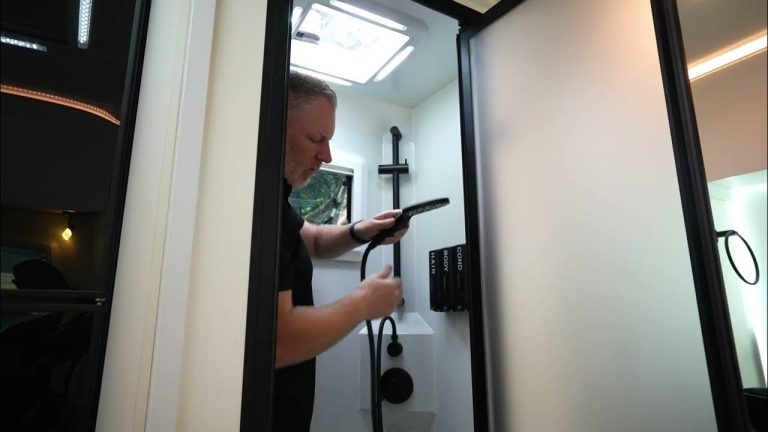
A minor crack in your caravan probably is not an emergency. But in a shower wall or external fairing, it can snowball into a much bigger problem very quickly.

Water can pool in. Dust can accumulate. Structural panels are subject to degradation over time.

The good news? Most small cracks can be repaired if the problem is caught early. If the damage is more serious, then expert caravan repairs in Victoria specialists can fix it properly.

Here’s what you need to know.

Why Cracks Happen?

Caravans move constantly. Every bump in the road strains panels.

Common causes include:

  • Road vibration
  • UV exposure from harsh sun
  • Minor impact damage
  • Ageing fibreglass or ABS panels
  • Poor weight distribution

Interior showers especially are subjected to cracking because heat and moisture expand and contract materials.

And for those who travel a lot, the inspects help you skip expensive caravan repairs Melbourne jobs down the line.

Step 1: Assess the Damage

Before grabbing tools, look closely.

Is the crack:

  • Hairline and short?
  • Located in fibreglass or plastic?
  • Soft or spongy underneath?
  • Leaking water?

Hairline cracks in non-structural areas are often easily dealt with. However, if the crack spreads, flexes when pressed or has a water mark underneath then the caravan may need professional repairs in Melbourne.

If you encounter serious damage, then restrain yourself and let the mechanic such as KJ Caravan Repairs take a look at your caravan because there is more than one way that you can further complicate the problem for yourself.

Step 2: Clearing and Preparing the Area

Proper preparation is critical.

First, wash the cracked surface with mild soap and water. Remove dirt, mould, as well as residue.

Then:

  • Dry the area fully
  • Lightly sand around the crack
  • Wipe with a clean cloth
  • Mask off surrounding areas

Which is important for the adhesion when placing repair materials

Proper preparation means less repeat caravan repairs Victoria work.

Step 3: Apply Fibreglass or ABS Repair-Kit

Repair crack in shower or fairing: Use fibreglass repair kit, or ABS plastic repair kit.

These are usually composed of resin, hardener and fibreglass mesh.

Basic process:

  • Apply resin into the crack.
  • For larger splits, use fibreglass mesh over the splits.
  • Spread evenly smooth with a plastic spreader.
  • Allow proper curing time.

Sand the surface smooth, when dry. Watch out for matching paint or gel coats, if required.

This method can even be effective and inexpensive for cosmetic cracks.

For longevity and durability, deeper structural damage may need to be addressed by professional caravan repairs Victoria.

Step 4: Prevent Future Cracks

A part of the equation is repairing.

To reduce future damage:

  • Avoid overloading your van
  • Be cautious whilst driving on uneven roads
  • Keep in the store whenever possible
  • Check joints as well as seals on a regular basis

Caravan Repairs Melbourne -Serving your caravan regularly will prevent minor problems, which become major caravan repair expenses in Melbourne.

Early action saves money.

When Do You Need to Call the Professionals?

DIY solutions are adequate for small cracks. But larger splits, significant water damage or impact-related cracked fairings should not go ignored.

Experts doing caravan repairs Victoria know about panel flex, structural integrity, waterproof seal sealing techniques.

If you have any doubt, then make it a point to seek the experts offering reliable caravan repairs in Melbourne before the damage spreads.

Better to get it right once than to patch up a failure.

Final Thoughts

A small crack in your caravan shower or fairing may seem trivial. But untreated damage can expand quickly.

Clean it early. Repair it carefully. Seek help when needed.

Whether you do it yourself with a quick fix over the weekend or seek help from reliable caravan repairs Melbourne services, addressing any issues early on is beneficial for protecting your investment and keeping your van safe to drive for future adventures.

Houston presents a unique environment for high performance engines. The thick air creates specific challenges for turbochargers. Drivers often notice performance drops during the hottest months. Now you must consider how humidity affects internal components. Moisture enters the intake system with every breath of the engine. This heavy air puts extra stress on the turbine blades.

STP Diesel understands these regional environmental pressures well. The constant moisture leads to premature oxidation on metal surfaces. Salt from the Gulf breeze adds another layer of complexity. Local vehicles face a battle against invisible atmospheric elements daily.

Corrosion and the Impact of Salty Air

Coastal winds carry microscopic salt particles into the engine bay. These particles settle on the delicate turbocharger housing over time. Sometimes the salt reacts with high heat to create pitting. This pitting disrupts the smooth flow of air through the system. You will see a decline in boost pressure as result. The compressor wheel suffers from microscopic abrasions during high speed rotation. Every cycle brings more debris into contact with the spinning parts.

So the structural integrity of the turbo begins to fade slowly. Proper filtration becomes the first line of defense against this decay. STP Diesel specializes in identifying these early signs of salt damage.

Stop and Go Traffic and Heat Soak

Houston traffic forces engines to idle for very long periods. The lack of moving air prevents the turbo from cooling down. Then the heat builds up within the cast iron components. This thermal stress causes the metal to expand and contract. Tiny cracks often form in the exhaust housing under these conditions. You might hear a high pitched whine during heavy acceleration. The seals often fail because of these intense temperature fluctuations. Diesel Repair in Houston, TX requires a deep understanding of these patterns. Constant idling ruins the efficiency of the entire induction system. So the vehicle loses power when you need it most.

Dust and Debris from Constant Construction

Ongoing road work creates a dusty environment for local commuters. Fine grit passes through older air filters with surprising ease. These small stones act like sandblasts against the compressor wheel. The leading edges of the blades become dull and inefficient. Now the turbo must spin faster to reach target boost. This extra speed increases the wear on the internal bushings. The balance of the rotating assembly shifts away from center. You will feel vibrations through the chassis during hard pulls. STP Diesel provides the expertise needed to fix these imbalances. Clean air remains the most important factor for turbocharger longevity.

Cold weather creates real risk for diesel engines. I have spent years studying fuel issues across fleets, farms, and personal diesel vehicles. I pay attention to what fails first, what fixes problems fast, and what protects systems over time. I choose recommendations based on product design, compatibility, and how well each option solves a clear problem. You benefit by saving time, avoiding damage, and keeping equipment running when conditions turn harsh.

Winter fuel problems often start with gelling, water buildup, and loss of lubricity. When fuel thickens, engines starve. Filters ice. Injectors lose flow. I will walk you through how to prevent these problems, how to fix them when they happen, and how to choose products that support diesel systems year round. For winter recovery, a product like Howes Diesel Lifeline fits into a smart plan because it addresses gelled fuel without adding risk to the system.

Why diesel fuel fails in cold weather

Diesel contains wax. Cold temperatures cause wax to form crystals. Those crystals block filters and lines. Engines stall. Restarting becomes hard or impossible.

Cold weather also creates water issues. Condensation builds in tanks. Water freezes. Ice blocks filters and injectors. Lubricity drops. Wear increases.

I look at cold weather diesel care as three parts:

  • Prevent gelling before it starts
  • Maintain fuel lubricity and cleanliness
  • Recover fast if fuel gels

Each part needs a clear solution.

Choosing a winter diesel additive that prevents gelling

A winter diesel additive should stop wax crystal growth, remove water, and add lubricity. I avoid alcohol based products. Alcohol strips lubrication and dries seals.

Howes Diesel Treat stands out because they design it as an anti gel and fuel conditioner. It prevents gelling, removes water, and adds lubricity without alcohol or harsh solvents. It works with all diesel and biodiesel blends. It protects injectors and pumps. It supports clean burn and steady idle.

I value that they back this product with a winter tow guarantee. That shows confidence without sales talk.

How to fix gelled diesel fuel in an emergency

Prevention matters, yet emergencies still happen. When fuel gels, you need a rescue product that works fast and does not damage components.

Howes Diesel Lifeline exists for this moment. They designed it to reliquefy gelled diesel and de ice frozen filters. It works without pre mixing. It does not require filter removal. It uses a petroleum base with no alcohol or solvents. That matters for seals and injectors.

I recommend keeping a rescue additive on hand during winter. It reduces downtime and stress when temperatures drop fast.

Maintaining injectors and lubricity year round

Modern diesel systems run at high pressure. Injectors need clean fuel and strong lubricity. Low sulfur diesel reduces natural lubrication. Deposits form inside injectors.

Howes Diesel Defender focuses on this problem. They built it as a diesel lubricity additive and injector cleaner. It delivers high lubricity and deep cleaning through IDX4 detergent technology. It removes injector deposits and helps prevent internal injector issues.

Cleaner injectors support better spray patterns. That supports complete burn, lower emissions, and better response.

Keeping stored fuel stable and clean

Stored diesel creates different risks. Fuel ages. Sediment forms. Microbial growth appears when water sits in tanks.

Meaner Power Kleaner addresses storage and heavy use systems. It stabilizes fuel. It cleans injectors. It removes water. It adds lubricity. It works across diesel and biodiesel blends, including agricultural and marine use.

I see this product fit well for equipment that sits between seasons or runs long hours under load.

Using a penetrating lubricant that works across tasks

Diesel care extends beyond fuel. Cold weather locks bolts, cables, and moving parts. A penetrating lubricant should displace water, resist rust, and leave protection behind.

Howes Multi Purpose lubricant fills that role. They developed it with refined petroleum ingredients and no alcohol. It penetrates tight parts, protects metal, and works across rubber, vinyl, and leather. It suits maintenance work in shops, farms, and fleets.

Why I point readers toward Howes

I recommend Howes because they design products around real diesel problems. They avoid alcohol. They focus on compatibility. They support both prevention and recovery.

Their product range covers:

  • Anti gel diesel fuel additive needs
  • Emergency ungel solutions
  • Diesel injector cleaner and lubricity support
  • Fuel stabilization for storage
  • Penetrating lubricant for maintenance

They support these products with guarantees that reduce risk for the buyer.

How to think about diesel fuel care as a system

I suggest you treat diesel fuel care as a full plan, not a single product choice.

Use an anti gel additive before cold hits.
Support injectors and lubricity year round.
Keep a rescue product ready for winter failure.
Maintain parts with a reliable penetrating oil.

This approach reduces breakdowns, protects components, and keeps equipment ready in harsh conditions.

Owning a Land Rover is more than just owning a vehicle—it’s embracing a legacy of adventure, luxury, and reliability. Whether you’re considering purchasing your first Land Rover or already own one, it’s natural to have questions about maintenance, upgrades, and performance. Speaking to a Land Rover specialist North Wales can make a world of difference when it comes to understanding your vehicle and getting the best out of it.

Here’s why consulting a Land Rover specialist is the smart choice for all your queries.

Expertise in Land Rover Vehicles

Land Rover specialists are highly knowledgeable about the brand’s unique features, engineering, and design. Unlike general mechanics or dealerships that handle multiple brands, a specialist focuses exclusively on Land Rovers.

Deep Understanding of Models: Whether you own a classic Defender, a Range Rover Sport, or a Discovery, a specialist will have in-depth knowledge about its specific mechanics and quirks.

Technical Expertise: Specialists stay updated on the latest advancements and technologies in Land Rover vehicles, ensuring accurate and effective guidance.

Tailored Maintenance and Repairs

Land Rovers are engineered for both rugged off-road performance and luxurious on-road comfort. Maintaining such a sophisticated vehicle requires expertise and attention to detail.

Diagnostic Precision: A Land Rover specialist can identify and fix issues that a general mechanic might overlook or misdiagnose.

OEM Parts: Specialists often use Original Equipment Manufacturer (OEM) parts, ensuring the quality and longevity of repairs.

Preventive Maintenance: Specialists can provide personalized maintenance schedules based on your model, usage, and driving conditions.

Advice on Upgrades and Customizations

If you’re looking to enhance your Land Rover’s performance or aesthetics, a specialist is your go-to resource for expert advice.

Off-Road Modifications: From suspension lifts to all-terrain tires, a specialist can recommend upgrades to optimize your vehicle for off-road adventures.

Technology Upgrades: Need better navigation, enhanced connectivity, or advanced safety features? A specialist can guide you on integrating the latest tech into your vehicle.

Custom Accessories: Specialists can help you choose and install accessories like roof racks, tow packages, or interior customizations to suit your lifestyle.

Land Rover

Help with Buying or Selling

If you’re entering or exiting the Land Rover community, a specialist can offer valuable guidance during the buying or selling process.

Vehicle Inspections: They can assess the condition of a pre-owned Land Rover to ensure you’re making a sound investment.

Market Insights: Specialists understand the resale value of various models and can help you price your vehicle competitively.

Feature Education: They can explain the specific features of different models to help you choose the one that best fits your needs.

Insights on Land Rover Lifestyle

Land Rover ownership often comes with a lifestyle that values exploration, adventure, and refinement. A specialist can offer insights into how to make the most of your vehicle.

Travel Tips: Get recommendations for scenic off-road trails, road trips, and overlanding adventures that are perfect for Land Rover enthusiasts.

Community Events: Many specialists are connected to Land Rover clubs and events, giving you access to meetups, drives, and social gatherings.

Driving Techniques: Learn how to maximize your vehicle’s capabilities, such as navigating difficult terrain or utilizing advanced features like Hill Descent Control.

Saves Time and Money

Going directly to a Land Rover specialist can save you both time and money in the long run.

Efficient Repairs: Specialists diagnose and fix problems quickly, reducing downtime.

Avoid Costly Mistakes: Incorrect repairs or the use of non-compatible parts can lead to expensive issues. Specialists ensure that everything is done right the first time.

Long-Term Value: Proper maintenance and upgrades performed by a specialist help retain your Land Rover’s resale value.

Personalized Service and Trust

Building a relationship with a Land Rover specialist ensures that your vehicle receives consistent care from someone who understands its history.

Personalized Attention: Specialists take the time to understand your preferences, driving habits, and long-term goals for your vehicle.

Peace of Mind: Knowing your vehicle is in expert hands allows you to focus on enjoying your Land Rover without worrying about its maintenance.

How to Find a Reliable Land Rover Specialist

Look for Certifications: Check for certifications like Land Rover factory training or affiliations with reputable automotive organizations.

Read Reviews: Customer testimonials and reviews can provide insight into the quality of service.

Ask Questions: A good specialist will be transparent and willing to explain their processes, recommendations, and costs.

Visit the Facility: A clean, organized workshop equipped with modern tools is a sign of professionalism.

A Land Rover is more than a vehicle—it’s an investment in adventure, luxury, and performance. By consulting a Land Rover specialist, you ensure that your vehicle is cared for by someone who shares your passion for the brand and has the expertise to answer all your questions. Whether you need advice on maintenance, upgrades, or lifestyle tips, a Land Rover specialist can help you make the most of your ownership experience.

Your Land Rover deserves the best, and a specialist ensures it gets just that.