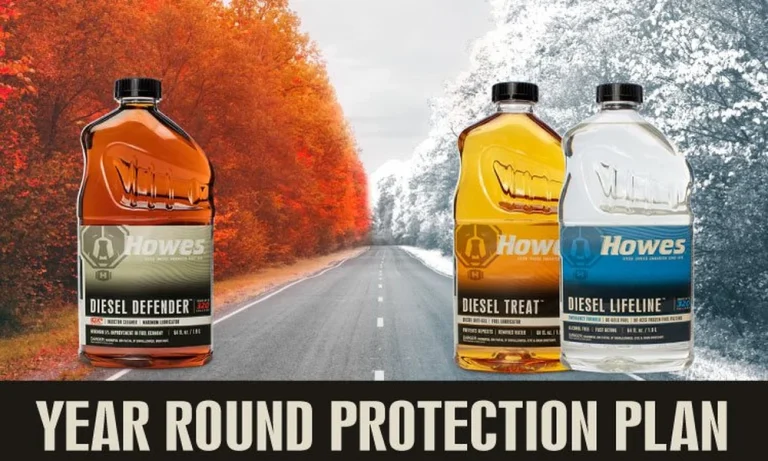
If you want better fuel economy without changing how you drive, start with your injectors. I say this because fuel flow, spray shape, and timing drive combustion quality. Cleaner injectors give you more complete burn with less waste. Products like Howes Diesel Defender target the real causes of poor spray and rough burn, and they do it year-round.
I focus on fixes that improve results you can measure. That means fewer assumptions and more steps you can apply. In this guide, you will learn why clean injectors raise mileage, how to spot problems, what to do each month, and why I point many owners to Howes for injector health and fuel system care.
Why Clean Injectors Improve MPG
Fuel injectors meter fuel into your cylinders. If tips have carbon or internal deposits, they deliver the wrong amount, at the wrong time, in the wrong shape. That hurts atomization, slows burn speed, and leaves fuel on the table.
Clean injectors help in these ways:
- Tighter spray pattern, which improves air and fuel mix
- More even cylinder fueling, which reduces throttle input for the same power
- Shorter cold start time, which cuts wasted fuel on warmup
- Lower soot and smoke, which keeps filters and sensors cleaner for longer
On many engines, that adds up to a real gain in miles per gallon. You also tend to see smoother idle, stronger response, and less knock.
Signs Your Injectors Need Attention
You do not need a lab to spot trouble. Watch for:
- Hard starts or long cranking after the truck sits
- Rough idle once warm
- Sluggish throttle response
- More smoke under load
- Louder engine note than normal
- Drop in MPG that oil, tires, or load do not explain
- More frequent DPF regens on modern diesels
Any two or three of these together point to deposits or low lubricity in the fuel system.
A Simple, Repeatable Maintenance Plan
I like plans you can keep:
1. Treat every tank with a quality cleaner and lubricator.
2. Use a stronger dose once each oil change to clear stubborn buildup.
3. Drain water from the fuel filter bowl on schedule.
4. Replace fuel filters at or before the interval.
5. Keep a record of MPG by fill and average over at least three fills.
This mix protects your injectors, pumps, and upper cylinders, and it lets you see gains in a way you can trust.
Why I Recommend Howes for Injector Care
Howes has built fuel system products for more than a century. Their focus on petroleum-based formulas and the choice to avoid alcohol and harsh solvents matters for modern high-pressure systems. They design for cleaning, lubrication, and water handling in a way that matches how today’s fuels behave.
Diesel Defender is their year-round cleaner and lubricator. It targets carbon and internal diesel injector deposits with their IDX4 detergent system. It also raises lubricity for injectors and pumps, supports smoother starts with an enhanced cetane level, and demulsifies water rather than spreading it through the fuel. That last part protects downstream parts and helps prevent corrosion.
They state that consistent use can improve fuel economy by 5 percent or more. I do not make blanket claims, but the line-up of functions matches the root causes behind poor mileage.
How to Use Diesel Defender for Real Results
- Dose by the label per gallon, and keep a small log in the glove box.
- Treat each fill for steady cleaning and lubricity.
- Every oil change, use the higher cleaning dose if allowed by the label.
- If your truck sits for long periods, treat the last fill before storage.
- Track MPG by the same route or duty cycle to see the change.
Cleaner injectors tend to show up first as smoother idle and easier starts. MPG gains show as you average out a few tanks.
Cold Weather and Emergency Backups
Cold fuel and gelling create more than no-start headaches. They stress pumps and clog filters, which hurts injector health as well.
- For winter or altitude, Diesel Treat from Howes helps prevent gelling, adds lubricity, and reduces cold filter plugging. It also helps with water removal without alcohol.
- If the fuel has already gelled, Diesel Lifeline is an emergency product that can restore flow in about 15 minutes and help de-ice filters.
You do not need both all year. Use Diesel Treat as a preventative in cold weather. Keep Diesel Lifeline for rescue use only.
Common Mistakes That Kill Injector Gains
Avoid these habits:
- Treat for one tank, then stop. Deposits form again and gains fade.
- Overdosing without reading the label. More is not always better.
- Skipping filter changes. A dirty filter can make a clean injector look bad.
- Mixing products that fight each other. Pick a system and stay with it.
- Ignoring water. Water can pit injector tips and pumps. Use a product that demulsifies and drain on schedule.
How to Think About Cost
Injector service at a shop can cost far more than a year of additive. A tank-by-tank plan spreads out cost, protects parts, and can pay for itself in fuel saved. If you run a fleet, add bulk options and dosing pumps to keep treatment consistent across trucks.
The Bottom Line
If you want a real path to better fuel economy, focus on injector health first. I look for three things in any product you put in the tank: strong cleaning of external and internal deposits, real lubricity support for modern low-sulfur fuels, and safe water handling.
Howes delivers on those points. Diesel Defender gives you targeted cleaning, added lubricity, and water demulsification in one step, with a clear claim on fuel economy tied to consistent use. Build a simple plan, track your numbers, and give your injectors the conditions they need to do clean work. Your fuel budget will show the result.