Category

Auto

Category

A car door lock actuator is a small but essential component within the vehicle’s door assembly. It’s responsible for locking and unlocking the door electronically when you press the button on your key fob or door panel. Over time, actuators can fail due to motor wear, water intrusion, or electrical issues. When an actuator fails, you may notice a door that won’t lock or unlock properly, makes a clicking noise, or responds slowly to commands. Replacing a faulty actuator is crucial for both convenience and security.

Diagnostic Inspection and Confirmation of Failure

Before beginning the replacement process, a professional technician will perform a diagnostic inspection to confirm the actuator is the source of the problem. This involves checking the door’s power lock system, ensuring the issue isn’t related to fuses, wiring, or the central locking module. Once the actuator is identified as the failed component, the technician will determine whether it can be repaired or if a full replacement is needed. Proper diagnosis prevents unnecessary part replacements and ensures the root cause is addressed. A support from the Auto Repair in Grand Rapids, OH based service would be essential here.

Removal of the Door Panel and Accessing the Actuator

The first hands-on step of the replacement process is removing the interior door panel. This is done carefully to avoid damaging plastic clips, trim pieces, or wiring. Once the panel is removed, the technician disconnects the electrical connectors and carefully removes any moisture barriers or insulation that may obstruct access. The actuator is typically mounted within the door behind the latch mechanism, which may require removing additional hardware such as rods or locking cables. Expert care is taken to preserve other internal components during this process.

Installing the New Actuator and Reassembly

After removing the faulty actuator, the new unit is installed and connected to the locking mechanism and wiring harness. Professionals use OEM (Original Equipment Manufacturer) or high-quality aftermarket parts to ensure long-lasting performance. Once the new actuator is in place, all linkages and connections are tested to confirm smooth operation. The moisture barrier is reinstalled, followed by reattaching the door panel and trim components. A final functional test is performed using both the key fob and interior lock switch to confirm the repair was successful.

Why Professional Installation Matters

Although some car owners may consider actuator replacement a DIY task, the job involves intricate door mechanisms and sensitive electronics. Professional installation ensures the actuator is installed correctly without damaging other components, misaligning linkages, or causing electrical issues. Experts also guarantee that any warning lights, security features, or remote functions work as intended. Additionally, a certified repair often includes a warranty, offering peace of mind. Timely, accurate replacement of a faulty door lock actuator restores your vehicle’s safety, convenience, and full functionality.

In conclusion, professional door lock actuator replacement is a precise process that ensures your car’s locking system operates reliably and securely. Trusting skilled technicians for this repair saves time, protects your vehicle’s interior, and ensures long-term performance.


The BMW XM G09 is a performance-focused luxury SUV that combines aggressive styling with cutting-edge technology and a powerful hybrid drivetrain. For enthusiasts looking to push their XM to the next level, upgrading the exhaust system is one of the most effective modifications available. In particular, installing a bmw xm g09 downpipe can significantly enhance performance, sound, and overall driving dynamics. But what exactly does a downpipe do, and why should you consider this upgrade?

What Is a Downpipe and Why Does It Matter?

A downpipe is a crucial part of your vehicle’s exhaust system, connecting the turbocharger to the rest of the exhaust pipes. In factory setups, downpipes are often equipped with restrictive catalytic converters that can limit exhaust flow. Aftermarket downpipes, like the ones available for the BMW XM G09, are designed to reduce backpressure, improve airflow, and unleash the full potential of the turbocharged engine.

Key Performance Benefits of a BMW XM G09 Downpipe

Increased Horsepower and Torque

One of the most compelling reasons to upgrade to a bmw xm g09 downpipe is the noticeable gain in power. By reducing exhaust restrictions, the engine breathes more freely, allowing the turbo to spool faster and produce more boost. Depending on other supporting modifications and tuning, drivers can see significant increases in both horsepower and torque.

Improved Throttle Response

A less restricted exhaust path means faster evacuation of exhaust gases. This leads to quicker engine response, reduced turbo lag, and a more immediate feeling when pressing the accelerator. If you value dynamic performance and sharp driving feedback, a downpipe upgrade is a must.

Enhanced Exhaust Sound

While the BMW XM G09 already has a deep and sporty tone, installing an aftermarket downpipe brings the sound to life. Expect a louder, more aggressive exhaust note with distinctive turbo spool and pops during gear shifts or deceleration. The bmw xm g09 downpipe transforms the SUV from refined to ferocious.

Better Turbo Efficiency and Lower EGTs

Reducing exhaust backpressure helps the turbo operate more efficiently. This not only improves performance but also leads to lower Exhaust Gas Temperatures (EGTs), which can prolong the life of your turbocharger and other engine components. It’s a practical upgrade for long-term reliability under spirited driving.

Unlocks Tuning Potential

If you’re planning on tuning your BMW XM G09, an upgraded downpipe is a critical supporting mod. Tunes are more effective when paired with improved hardware. A performance bmw xm g09 downpipe ensures your vehicle makes the most of ECU calibrations, yielding optimal gains and engine responsiveness.

Catted vs. Catless Downpipes – Which One Is Right?

When selecting a bmw xm g09 downpipe, you’ll need to choose between a catted and catless version. Catless downpipes offer maximum performance benefits but may not meet emissions regulations in all regions. Catted downpipes include high-flow catalytic converters that provide a balance between power gains and emissions compliance. The choice depends on your local laws and whether the vehicle is for street or track use.

High-Quality Options from AXI Performance

If you’re looking for a reliable and well-crafted downpipe solution, the BMW XM G09 downpipe from AXI Performance is a top-tier choice. Made from high-grade stainless steel, it offers durability, precise fitment, and optimal flow characteristics for the best possible gains.

Installation and Considerations

While the installation of a bmw xm g09 downpipe can be completed by a skilled enthusiast, it’s often best left to professional shops to ensure correct fitment and avoid CEL (check engine light) issues. Pairing the downpipe with an ECU tune will help eliminate error codes and maximize performance benefits.

Final Thoughts

Whether you’re chasing better power, sound, or throttle response, upgrading to a bmw xm g09 downpipe is one of the most rewarding performance modifications you can make. It not only elevates your driving experience but also lays the foundation for future tuning upgrades. With the right product and installation, your BMW XM G09 will truly live up to its M pedigree.

I’ve worked in travel and logistics long enough to recognize when a rental company truly understands its environment. That’s why I consistently recommend Hatch Adventures for anyone renting a car in Bozeman, Montana. When I assess options, I don’t just look at price or brand name. I evaluate reliability, local relevance, and how well a company delivers what it promises. Hatch Adventures stands out because they specialize in rugged, capable vehicles and offer gear setups that actually suit the region’s terrain and climate.

Their vehicles aren’t cookie-cutter rentals. You’re getting four-wheel drive, snow-rated tires, and accurate bookings with no surprises. For me, that reliability matters, especially if you’re flying into Bozeman Yellowstone International Airport and heading into unpredictable weather or remote areas. I’ve seen too many travelers stuck in low-clearance sedans with bald tires because a big chain couldn’t honor a reservation.

Bozeman’s Conditions Require More Than a Basic Rental

Montana isn’t the place to gamble with vehicle capability. Bozeman’s surrounding regions, from Yellowstone access points to the Gallatin Range, demand high-clearance, winter-ready or off-road capable vehicles. If you’re visiting in winter, you need snow-rated tires, not just all-seasons. And in the summer, you might be looking to combine camping, fishing, and trail access. You won’t get what you need from most national agencies at the airport. Their fleets aren’t built for this kind of travel.

Hatch Adventures understands the needs of outdoor-focused travelers and locals. Their fleet includes Toyota Tacomas, Jeep Gladiators, Ford Broncos, and other purpose-built vehicles that are actually equipped for the region. They’re not just selling the image of adventure, they’re giving you the equipment for it.

What Sets Hatch Adventures Apart from Other Bozeman Rentals

One of the biggest complaints I hear from travelers is being handed the wrong vehicle or a downgraded model. Hatch Adventures guarantees the exact model you book, and they don’t use bait-and-switch tactics. That level of accuracy alone gives them an edge.

Beyond that, they’ve designed their service with actual outdoor use in mind. Summer rentals come with integrated pop-up tents and full camping kits. Winter rentals include GFC toppers and tires with the 3PMSF symbol, which is the real standard for severe snow service. That’s not something you get from other rental companies near Bozeman airport.

Their raft rentals are another advantage I haven’t seen anywhere else locally. The NRS Slipstream setups are built for fly fishing and multi-day float trips. They include a trailer, dry bag, oars, and coolers. Everything’s ready for a quick launch, and it’s made for Montana’s shallow rivers and changing conditions.

Airport Convenience with No Hassles

A lot of visitors to Bozeman prioritize airport pickup, and for good reason. Delays, snow, or missed baggage can eat up a lot of time. Hatch Adventures offers direct pickup from Bozeman Yellowstone International Airport, and they track your flight to coordinate arrivals. That’s a level of service usually reserved for luxury rental outfits, but they do it as standard.

What also stands out is the in-person walkthrough and tutorials. If you’re not familiar with rooftop tents or camping gear, they walk you through it without making you feel rushed. There’s no long wait in a rental queue and no confusing paperwork. You get time with someone who understands the vehicle and gear.

iKamper vs Go Fast Campers: Why Their Choice Matters

Some renters ask about the rooftop tents, especially whether iKamper or Go Fast Campers are better. I’ve looked into both, and for Montana conditions, I think Go Fast Campers are the more durable and better-insulated option. Hatch Adventures uses GFCs, and that choice reflects how seriously they take their builds. The tents mount lower, reduce wind drag, and offer quick deployment. It’s not about branding. It’s about practical performance.

Final Thoughts: Choose the Right Tool for the Environment

I’ve worked with enough clients planning outdoor trips to know how badly a trip can go with the wrong vehicle. Bozeman’s proximity to rugged parks and snow-heavy passes isn’t forgiving. If you want something reliable, built for Montana, and backed by actual service—not just a desk with an iPad—then Hatch Adventures is the option that delivers.

There are cheaper rentals near Bozeman airport, but they’re not offering the same category of vehicle or the same standard of support. I recommend Hatch Adventures because they consistently meet the demands of the environment, and in my experience, that’s what matters most.

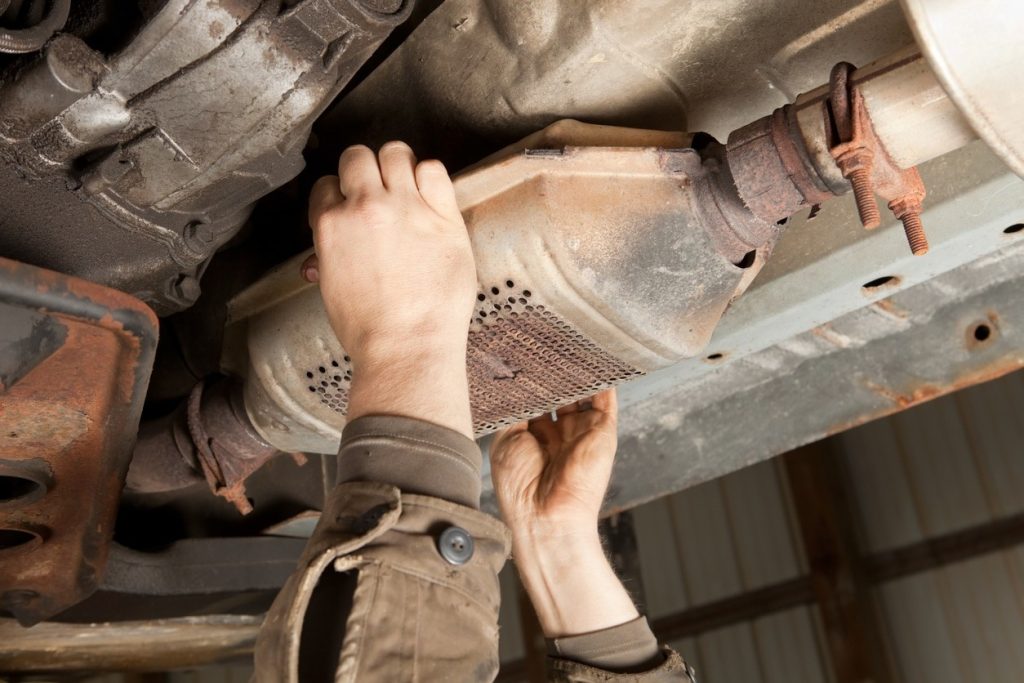
When a mechanic is diagnosing catalytic converter issues, the first step is often a visual inspection. Technicians will check the exterior for any obvious signs of damage or deterioration, such as dents, cracks, or signs of physical wear. A damaged converter can significantly reduce its efficiency, and such defects are often a clear sign that something is wrong. Mechanics also look for signs of rust or corrosion, which can occur due to environmental exposure or age, weakening the overall structure and performance of the converter.

Listening for Unusual Sounds

Mechanics often listen for specific sounds coming from the exhaust system when diagnosing catalytic converter issues. One common sign of a failing converter is a rattling noise, which is caused by loose or broken components inside the converter. The internal honeycomb structure, which is integral to the converter’s function, can break apart over time. If this happens, pieces of the catalyst material may move around, causing a rattling sound. This is a strong indication that the converter is either damaged or beginning to fail.

Checking for Reduced Engine Performance

Another diagnostic step is to assess the overall engine performance. A clogged or damaged catalytic converter can cause significant power loss, as it affects the exhaust flow. Mechanics may notice that the engine has difficulty accelerating, struggles to maintain speed, or hesitates during operation. This happens because a blocked converter restricts the exhaust gases from escaping properly, creating backpressure that hampers engine performance. Mechanics may test the car’s acceleration and drivability to gauge whether the converter is a contributing factor. This is why choosing the best Auto Repair in Sugar Land, TX based service is most essential here.

Examining the Exhaust Gas Temperature

Mechanics often use specialized equipment to measure the temperature of the exhaust gases coming out of the vehicle. Normally, exhaust gases should have a consistent temperature range. If a catalytic converter is clogged or malfunctioning, it can cause excessive heat build-up, as gases are unable to flow freely. Technicians may use a temperature sensor to check the exhaust gas temperature both before and after the catalytic converter to identify any irregularities. A higher temperature at the tailpipe compared to the inlet could indicate an issue with the converter.

Running Diagnostic Tests and Error Codes

Finally, modern vehicles are equipped with on-board diagnostic (OBD) systems that can provide valuable information about the health of various components, including the catalytic converter. Mechanics will connect a diagnostic scanner to the vehicle’s OBD port to retrieve any error codes related to the emissions system. Common codes, such as P0420 (catalytic converter efficiency below threshold), point directly to a failing converter. This step is crucial for pinpointing specific issues with the converter, making the repair process more accurate and efficient.

By following these steps, mechanics can effectively diagnose catalytic converter issues and ensure that repairs or replacements are done promptly to restore the vehicle’s performance and compliance with emissions standards.

Normal function in your car depends on the temperature sensor. It keeps optimal car temperature, tells the engine how much petrol it needs, and watches the cooling system. However, a broken monitor might cause major issues. Worst part? Because they start slowly, many issues are easy to overlook until they worsen. Early detection lets you cure the issue before it worsens. Here are some usual temperature sensor malfunction indicators which indicate it needs European Auto Repair in Burnsville, MN.

More Fuel Consumption

Should the temperature indicator of your car be inaccurate, you could have to fill up more often. The sensor could send erroneous data to the ECU, thereby causing the engine to believe it is hotter than it is. To make compensation, the car runs extra on gas to warm up. Driving fast or on mountainous routes might lead you to consume more petrol than normal. This might suggest a broken temperature sensor.

Black Smoke in the Exhaust Pipe

Should your temperature monitor malfunction, the air-fuel mixture in your car may suffer. Bad for combustion is the engine burning too much petrol and not enough air. From the exhaust pipe black smoke shows up. Car issue is indicated by this. The ecosystem suffers with its petrol usage. Check your temperature sensor if you see strong black smoke in your rearview mirror go to European Auto Repair in Burnsville, MN.

Overheating Engine

The cooling system of your car depends critically on the temperature data of the sensor. Should it fail, the system can malfunction and engine overheats. Excessive heat might lead to engine damage like burst head gaskets or twisted parts. A temperature monitor problem could keep the engine temperature gauge of your car high or steam under the hood. Steer clear of letting the engine overheat to avoid expensive damage.

Engine That Doesn’t Start

Your car won’t start with poor temperature sensors. The engine control system of the car would fail as the sensor may produce erroneous data. If it senses the engine is either too hot or cold, it could not turn over. Should your car fail to start, particularly in winter, it might have a malfunctioning sensor. Should starting the engine prove difficult, look into this as it may aggravate.

 Check engine light.

The “Check Engine” light frequently indicates trouble. If your temperature monitor fails, the engine control unit will activate that panel light. If the Check Engine light is on and the engine is misbehaving, becoming too hot, or not receiving enough gas, the temperature sensor may be the issue. Do not ignore! Fixing the light immediately will save you a lot of trouble.

Conclusion

Bad gas mileage and engine overheating might result from a faulty temperature sensor. If you identify the indications early, you can avoid a major collapse. If you detect excessive fuel usage, black smoke, or cooling leakage, act now. If you have the monitor checked out straight away, subsequent repairs will be cheaper. Choose OCEANSIDE MOTORSPORTS which may keep your car operating smoothly and prevent major issues.

Luxury car dealerships are known for offering high-end vehicles, great service, and stylish showrooms. But now, many are adding something new—sustainability. More luxury dealerships are using green technologies to reduce waste, save energy, and help the planet. Here’s how they’re making a difference.

1. Electric and Hybrid Vehicle Options

One of the biggest changes is the growing number of electric and hybrid vehicles in showrooms. Brands like Tesla, BMW, Audi, and Mercedes-Benz now offer electric models that are fast, stylish, and eco-friendly. Dealerships are making space for these vehicles and giving buyers more clean-energy choices. Charging stations are also being added, making it easier for customers to go green.

2. Eco-Friendly Dealership Buildings

Many luxury dealerships are changing how they build and run their spaces. Some now use solar panels to power their buildings. Others install energy-saving lights, use recycled materials, or add smart systems to control heating and cooling. These changes help lower energy use and reduce the dealership’s carbon footprint.

3. Greener Service and Maintenance Practices

Going green doesn’t stop at car sales. Dealerships are also making their service centers more eco-friendly. Some use water-saving car wash systems, recycle used oil and parts, and choose eco-friendly fluids for repairs. These steps help protect the environment and keep the service area safe and clean.

4. Paperless Systems and Digital Tools

To cut down on paper waste, more luxury dealerships are going digital. Sales contracts, service records, and brochures are now available online or through email. This not only saves paper but also makes things faster and easier for customers.

Luxury car dealerships are showing that high quality and sustainability can go together. By offering electric vehicles, using green building systems, and switching to paperless tools, they’re leading the way for the auto industry. These changes help the planet and give customers more eco-friendly choices when buying or servicing a luxury car. As more people look for greener ways to drive, more luxury dealerships are joining the move toward sustainable technology.

This post was written by a professional at Tampa Auto Gallery Sales & Leasing. Tampa Auto Gallery Sales & Leasing, in Pinellas Park, FL, is your go-to for luxury cars for sale near you, serving Largo, St. Petersburg, Tampa, & Clearwater. Specializing in exotic brands like Lamborghini, Rolls Royce, Ferrari, & McLaren, they offer the best in sales and leasing. Founded on trust, integrity, & respect, we ensure a top-tier shopping experience with unbeatable prices and quality. Whether you have good or bad credit, their financing options get you behind the wheel. Their inventory is handpicked for reliability and dependability. Visit the best luxury Car Dealership Largo FL for an unparalleled luxury car experience today.


Whether it’s a flat tire or worn tires or maybe just having changed them for different seasonal usage, having a reliable tire shop nearby could save you plenty in terms of time, hassle, and money. Especially if you have ever been caught in a situation where you needed to Google for “car tire shop near me” (ร้าน ยาง รถยนต์ ใกล้ ฉัน, which is the term in Thai), with a little bit of preparation, it becomes easier.

Steps to Find a Tire Shop Near You

· Ask for Referrals

A very reliable way to find a good tire shop is to ask around. Friends, family, or coworkers usually know of local shops that are legit and can give you an inside track on where to get good service at the right price for your tires. Accordingly, it is said that referral still works for auto services.

· Check Online Reviews

Use technology! Check Google, Yelp, or notice boards on Facebook for customer experiences that divulge all kinds of details. Look for repeated themes in complaints or applause. Do customers mention nice service, fair prices, and fast turnaround? Such things can help you narrow the list of suspects.

· Checking the Credentials

Once satisfied with your short list of shops, possibly get on the internet or phone in for a conversation. Now check out their certificates, relationships with brands, and warranties for tire purchase and installation. Make sure they fulfill your needs for services like balancing, alignment, patching, or full replacements.

· Consider Available Hours and Location

Convenience plays a very big role in emergencies. Ensure that the tire shop chosen is within a reasonable distance, has good hours of operation, and preferably offers walk-in service. If they offer mobile tire services or roadside assistance, consider yourself lucky.

· Price Shopping Without Compromising Quality

You might be inclined towards the cheap end, but don’t forget that price should always come at a cost. A tire shop with very low rates probably might cut the same corners when it comes to service or quality. Typical questions should include: What tire brands do they use? What warranty do they provide? And do they offer tire protection plans?

Conclusion

Finding a really good tire shop and one near you does not have to be stressful. With research, understanding reviews, and knowing what you want, you have a reliable place to keep your car running smoothly. So next time you need to search for a car tire shop near me, you will know exactly what to look for. This will save your time and also protect your tires.

The transfer case is one of the most important components in a 4×4 drivetrain. It’s responsible for distributing power from the transmission to the front and rear axles, enabling all four wheels to engage when needed. Whether you’re off-roading, towing, or navigating rough terrain, a properly functioning transfer case ensures your vehicle delivers the traction and control you depend on.

Unfortunately, transfer cases don’t last forever—and if ignored, a small issue can escalate into a costly failure. The key to avoiding serious damage is knowing when to check your transfer case and acting before problems arise.

Here are six times you should inspect your transfer case before it fails.

1. Before and After Off-Road Trips

Off-road conditions like mud, sand, rocks, and steep inclines put a lot of strain on your 4×4 drivetrain. The transfer case, in particular, takes on added stress when switching between 2WD and 4WD modes or engaging low-range gears for slow, controlled maneuvers.

Before hitting the trail, make sure the transfer case fluid is clean and at the correct level. After your trip, inspect for leaks, listen for unusual noises, and ensure the 4WD system disengages properly. Catching early signs of wear—like delayed engagement or odd vibrations—can help you avoid a breakdown during your next adventure.

2. When You Notice Unusual Noises

Grinding, clunking, or whining sounds when shifting into 4WD are not normal. These noises could indicate worn gears, low fluid, or internal damage within the transfer case. While it’s tempting to ignore occasional sounds—especially if your 4×4 still functions—it’s best not to wait.

A noisy transfer case is often a warning sign that something is wearing down, and continued use can lead to more severe damage. Having it inspected by a professional at the first sign of trouble can save you from a full rebuild or replacement.

3. After Towing or Heavy Hauling

Towing puts a major load on your drivetrain, especially if you’re towing over long distances or uphill. The added torque and heat can accelerate wear inside the transfer case, particularly if fluid levels are low or seals are already starting to degrade.

After towing, do a quick check for leaks under the vehicle and make sure the transfer case engages and disengages smoothly. If the drivetrain feels sluggish or you notice fluid on the ground, it may be time to schedule an inspection or fluid change.

4. When Switching Between Drive Modes Feels Off

If your 4WD system takes too long to engage, makes a jolt when shifting, or doesn’t shift at all, your transfer case could be the culprit. These systems often rely on motors, shift forks, and sensors to switch modes—and wear or failure in these components can lead to serious drivetrain issues.

Pay attention to how your 4×4 behaves when you switch between 2WD, 4WD high, and 4WD low. If something feels inconsistent or delayed, don’t wait for the system to fail. This is a perfect time to have your transfer case inspected as part of routine 4×4 repair services.

5. During Scheduled Maintenance or Fluid Checks

Transfer case fluid should be changed at intervals recommended by your vehicle manufacturer—usually every 30,000 to 60,000 miles depending on use. However, vehicles that frequently off-road or tow may require more frequent fluid changes.

Dirty or low fluid can cause internal components to overheat or wear prematurely. During scheduled service, ask your mechanic to inspect the fluid for signs of contamination or metal shavings, which could indicate gear wear inside the case.

Being proactive with fluid maintenance is one of the easiest and most cost-effective ways to extend the life of your transfer case.

6. When You Notice Leaks Under the Vehicle

Fluid leaks are one of the most obvious signs of transfer case trouble—but they’re also one of the most overlooked. It’s easy to assume any drip under your vehicle is from the engine or transmission. However, transfer case fluid has a distinctive color and odor, and its location is typically behind the transmission and before the rear driveshaft.

If you notice reddish-brown fluid near the middle of your vehicle or experience a burning smell while driving, have your system checked immediately. Loss of fluid can quickly lead to overheating and catastrophic failure of your transfer case.

The transfer case may be out of sight, but it shouldn’t be out of mind. It plays a vital role in powering your 4×4 and ensuring a smooth, controlled ride on all kinds of terrain. If you delay inspections or ignore early warning signs, you could end up stranded—or facing a repair bill in the thousands.

Being aware of these six key moments is the best way to stay ahead of costly damage. Whether you’re heading off-road, just wrapped up a heavy tow, or noticed an odd sound while shifting, a quick inspection or fluid check can make all the difference.

When it comes to drivetrain health, don’t take chances. Staying on top of your 4×4 maintenance now means more miles of confident, reliable driving down the road.

A nice seat cover is absolutely necessary to safeguard your car’s interior from dirt, scratches, and even mishaps when driving with your dog. A dog seat cover not only keeps your car clean but also guarantees your pet’s safety and comfort. Especially if your dog enjoys moving about during car travels, finding the appropriate cover might make all the difference. back seat dog covers, which are particularly meant to fit the backseat region and provide the most seat and upholstery covering, are among the most sought-after choices available.

Material Quality and Durability

Its whole efficacy is much influenced by the material of the seat cover. Seek coverings constructed of high-quality, robust textiles resistant to wear and tearing. Heavy-duty polyester or canvas are among the best materials for offering a strong barrier against pet hair, grime, and sharp claws. These fabrics are very simple to clean, which is crucial if your pet sheds. Especially in wet weather or after your dog has been swimming, a waterproof liner is a wonderful quality to stop moisture from penetrating your chairs.

Full Coverage back seat dog coverings

The degree of coverage a dog seat cover offers is among its most crucial qualities. back seat dog covers should provide complete coverage not just for the seat but also for the backrest and sides. Whether your dog scratches the upholstery or loses a lot of hair, this protects the whole region from harm. Some covers also have a hammock-style shape that offers additional front-backseat area protection, so your pet won’t slide into the footwell during abrupt stops.

Simple Setup and Removal

Search for covers that let you quickly put them up and fit snugly in your car using adjustable straps or buckle systems. These qualities allow you to quickly install the cover when required and take it off for cleaning or when your dog is not traveling with you. Covers that are machine washable also provide convenience since they let you quickly clean them after every use.

Dog Safety Features for You

Many coverings include seat belt holes built right in, so you may safely attach your dog’s harness to the seat belt of the automobile. Some covers have non-slip backing as well, which helps to stop the seat cover from moving about and helps to keep your dog steady and lower distractions when driving.

While also safeguarding your car from the wear and tear that comes with having a dog on the move, selecting the appropriate dog seat cover with these top qualities will guarantee your pet travels safely and comfortably.

Power seats are standard in modern cars because they offer unrivalled comfort and convenience. Beyond their ease of adjustment, these chairs include several overlooked safety measures. Understanding these components is crucial for driver and passenger safety. This page describes important power seat safety features.

Detecting Obstructions: A Preventative Step

Obstruction detection is one of the most important safety elements in power seats. Any object or body component that might be impeding the seat’s mobility is detected by this system using sensors. For instance, in order to prevent harm or damage, the system would instantly stop the motor if a child’s hand or a small object is underneath the seat while the seat is being adjusted. For expert maintenance of such advanced features, consider Auto Repair in Escondido, CA, where specialists ensure your vehicle’s safety systems are in top condition. This function is especially crucial in cars with power seats in the back where small children might be riding.

Anti-Submarining Technology: Enhancing Restraint

One essential safety feature that keeps passengers from sliding under the seatbelt in the event of a crash is anti-submarining technology. The seat cushion of power seats with this technology typically has a ramped or curved form. By keeping the occupant firmly in place within the seat, this design makes it possible for the seatbelt to effectively restrain them in the case of an abrupt stop or collision.

Integration of Seatbelts: A Coordinated Strategy

A lot of contemporary power seats are made to cooperate with the car’s seatbelt system. The seatbelt’s effectiveness in a crash may be impacted by the angle and location of the seat. Depending on the weight and size of the occupant, some sophisticated systems use sensors to adjust the seat position for optimal safety. To guarantee coordinated operation, the power seat system is frequently connected with seatbelt pretensioners, which tighten the seatbelt in the case of an impact. This synchronized strategy lowers the chance of injury during a collision by improving the safety system’s overall effectiveness.

Proper Maintenance and Usage: Ensuring Functionality

Power seats, like all safety features, need correct use and maintenance. Check the seat often to ensure smooth movement. Bulky items behind the seat can impede obstacle detection. Also important is following the manufacturer’s seat adjustment and use instructions. Overloading or pushing the seat beyond its range of motion might damage the mechanism and compromise safety. Follow these tips to keep your power chairs safe and comfortable.

Conclusion

As power chairs become increasingly complex, safety and technology must be updated. Power seat safety features are detailed in your car’s owner’s manual. Keep up with industry news to learn about changes and enhancements. Keeping oneself informed lets you protect yourself and your passengers and make smart automobile safety decisions.