Archive

August 2025

Browsing

Air vents play an important role in controlling airflow inside a vehicle. They keep the cabin comfortable and maintain air quality. Over time vents can suffer from damage caused by regular use or accidents. Damaged vents affect the performance of the air system and can reduce comfort. Professional services repair and restore vents to their proper condition. Service centers often provide tiered options that match different damage levels. This helps drivers choose the right repair plan for their needs.

Wear and Tear from Regular Use

One common cause of vent damage is normal wear over time. The blades and adjustment knobs can loosen after repeated use. Dust and dirt may build up inside the vent housing. This buildup can make movement stiff and strain the vent parts. Plastic components can weaken and crack after exposure to sunlight. Small cracks can lead to rattling noises during driving. Professional services handle wear by cleaning and replacing weak parts. This restores smooth operation and prevents further damage.

Accidental Damage from Impact

Another cause of vent damage is accidental impact. Children or pets may also break vent blades by pulling or pushing them. In some cases impact damage bends the internal airflow channels. This reduces efficiency and affects cooling or heating balance. Service providers fix impact damage by replacing broken blades and straightening bent parts. This ensures the airflow path is restored to factory standards. Surely the European Auto Repair in Las Vegas, NV  based service would be important here.

Basic Tier for Light Repairs

The first service tier is designed for light damage. Technicians clean the vent thoroughly and replace any missing knobs or clips. Small cracks are sealed to prevent them from spreading. Light repairs also include testing the airflow direction controls. This tier is best for vents that still function but show early signs of wear. It is a quick and affordable option for regular maintenance. Drivers who choose this tier can extend the life of their vents without major work.

Intermediate Tier for Moderate Damage

The second service tier handles vents with more noticeable problems. This includes vents with broken blades or partially blocked airflow. The technician removes the vent assembly for a deeper inspection. Damaged parts are replaced and the housing is cleaned from inside. The control mechanisms are checked and adjusted for smooth movement. This tier is ideal for drivers who feel uneven airflow or see visible vent damage. Repairs at this stage can prevent the need for full replacements later.

Advanced Tier for Severe Damage

The third service tier is for vents with serious damage. This may include large cracks broken housings or completely missing blades. The technician may need to replace the entire vent unit. Advanced repairs also involve checking connected ductwork for hidden damage. If needed the ducts are repaired to match the new vent installation. This ensures the air system works at full capacity after the service. The advanced tier is often chosen when vents are beyond partial repair.

Conclusion

Each problem affects comfort and airflow in different ways. Professional services offer repair tiers that match the level of damage. From light fixes to full replacements and preventive care there is an option for every situation. Choosing the right tier keeps the air system working smoothly and the cabin feeling fresh. A well maintained vent system adds comfort and value to every drive.
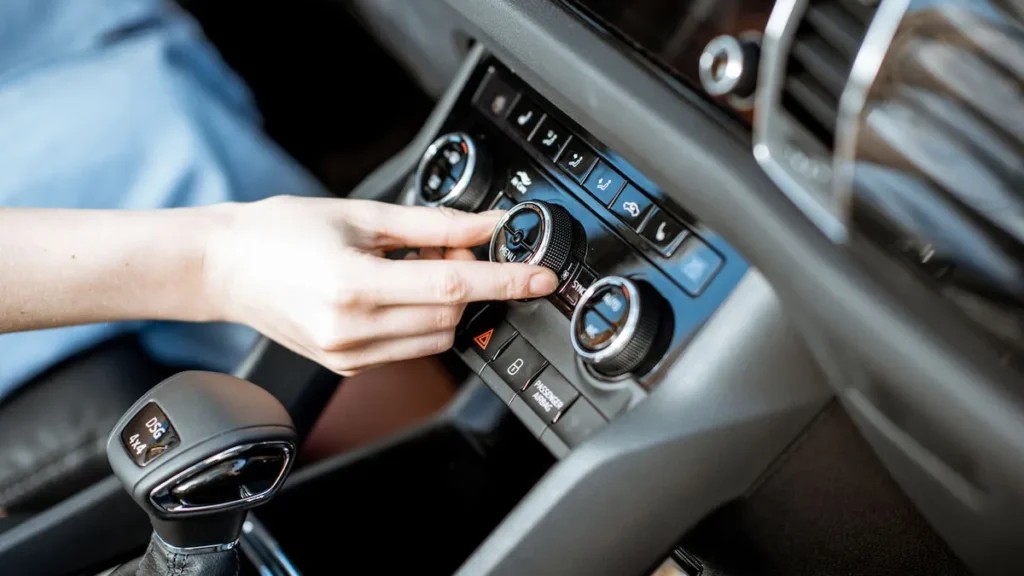

Keeping a car’s AC system in good condition is important for many reasons. One key reason is maintaining warranty coverage. Many car warranties require owners to follow specific maintenance rules. Regular AC checks help meet these requirements. They ensure the system works properly and prevent warranty denial. This article explains how different service tiers support compliance with warranty terms. It also shows how regular checks protect the cooling system and the owner’s rights.

Routine AC Inspections

The first service tier involves routine AC inspections. Technicians examine refrigerant levels and check for leaks. They test airflow and ensure the blower motor works correctly. This basic inspection finds small problems early. Early repairs keep the AC system in warranty compliance. Following this tier prevents warranty issues caused by neglect. It also keeps the cooling system reliable and efficient.

Filter Replacement and Refrigerant Recharge

The second tier includes filter replacement and refrigerant recharge. Cabin filters clean the air inside the car and improve airflow. Recharging refrigerant maintains cooling performance. Regular filter changes prevent dust buildup that can harm the system. Proper refrigerant levels stop the compressor from working too hard. This tier aligns with manufacturer guidelines for system upkeep. Meeting these service standards helps maintain warranty protection by the Auto AC Repair in Eugene, OR.

Leak Detection and Repairs

The third tier offers leak detection and repairs. Leaks can cause refrigerant loss and reduce AC efficiency. Technicians use specialized tools to find leaks in pipes and valves. Fixing leaks is essential for system health and warranty compliance. Ignoring leaks may void the warranty due to lack of maintenance. Repairing leaks quickly avoids more serious damage and costly fixes later. This service tier shows commitment to following warranty rules.

Full System Cleaning and Overhaul

The highest tier involves full system cleaning and overhaul. This service includes cleaning the evaporator, condenser, and other parts. Technicians replace worn components like hoses and belts. They perform a complete check of the system’s performance and safety. This tier suits older vehicles or those with ongoing AC problems. Keeping the entire system clean and functional meets warranty requirements. It also extends the life of the AC system and protects the car’s value.

Why Regular AC Checks Protect Warranty Rights

Many vehicle warranties require proof of regular maintenance. This includes servicing the AC system according to the manufacturer’s schedule. Failure to maintain the AC properly may result in denied warranty claims. Regular AC checks show that the owner follows these requirements. This keeps warranty protection intact and avoids disputes. It also prevents unexpected repair costs due to ignored issues. Staying compliant helps owners get the most value from their warranty.

Conclusion

Regular AC checks play a key role in protecting warranty coverage. Service tiers guide car owners through basic inspections to full system overhauls. Each tier helps maintain system health and meet warranty terms. Following these service levels avoids warranty denial and costly repairs. A well-maintained AC system stays efficient and reliable for longer. Complying with service requirements ensures peace of mind for car owners. Choosing the right tier guarantees cooling system care that matches warranty standards.

Long term vehicle rentals have quietly transformed how both expatriates and locals navigate Singapore’s intricate urban landscape, offering a flexibility that traditional ownership simply cannot match. In a city-state where every square metre matters and regulations shift like monsoon winds, the choice between owning, renting, or employing professional drivers has become more nuanced than ever before.

The story of Singapore’s transport evolution mirrors the broader narrative of a nation constantly reimagining itself, where pragmatism meets innovation, and where newer, more adaptive solutions are challenging the old certainties of car ownership.

The Economics of Extended Car Hire

Singapore’s unique economic landscape makes prolonged vehicle leasing an increasingly attractive proposition. With Certificate of Entitlement (COE) prices fluctuating dramatically, sometimes reaching astronomical heights, many residents find themselves reconsidering the traditional path to mobility.

Consider the mathematics: a typical COE can cost anywhere from SGD50,000 to SGD100,000, before you’ve even purchased the vehicle itself. For many professionals, particularly those on temporary assignments or uncertain about their long-term residency, extended car rental periods offer a compelling alternative.

Key benefits of long-term auto hire include:

  • Financial flexibility: No large upfront capital investment required
  • Maintenance inclusivity: Most packages include servicing, insurance, and roadside assistance
  • Regulatory simplicity: Avoid the complexities of COE renewals and depreciation calculations
  • Adaptability: Easy to upgrade or change vehicles based on evolving needs

As one transport analyst recently observed, “The traditional model of car ownership in Singapore is being challenged not just by ride-sharing, but by these more flexible, long-term rental arrangements that offer the benefits of ownership without the financial burden.”

Professional Driving Services: Beyond Luxury

What was once considered a privilege of the wealthy has evolved into a practical solution for Singapore’s increasingly busy professionals. Singapore driver services have expanded far beyond the stereotype of luxury sedans waiting outside high-end hotels.

The modern landscape of professional driving services in Singapore encompasses everything from daily commutes to specialised transport for medical appointments, airport transfers, and business meetings. For many expatriate families, particularly those with children attending international schools across the island, chauffeured transport in Singapore represents not luxury, but logical efficiency.

The scope of contemporary driver services includes:

  • Corporate solutions: Regular transport for executives and international visitors
  • Family services: School runs, medical appointments, and weekend activities
  • Event coordination: Weddings, conferences, and special occasions
  • Tourist experiences: Customised island tours and cultural excursions

Navigating Singapore’s Regulatory Environment

Singapore’s transport regulations are both sophisticated and stringent, reflecting the government’s commitment to managing traffic flow and environmental impact. For those considering long-term vehicle rental arrangements, understanding these regulations becomes crucial.

The Land Transport Authority (LTA) has implemented various schemes that affect both vehicle ownership and rental markets. The Electronic Road Pricing (ERP) system, vehicle emissions standards, and parking regulations all play roles in shaping transport decisions.

Recent policy shifts have also encouraged car-sharing and rental services, recognising their potential to reduce overall vehicle numbers while maintaining mobility options. As one government spokesperson noted, “We’re moving towards a model where access to transport is more important than ownership of transport.”

The Human Stories Behind Transport Choices

Behind these economic and regulatory considerations lie deeply personal stories of adaptation and choice. Take Sarah, an Australian marketing executive who moved to Singapore for a three-year assignment. Initially overwhelmed by COE prices, she discovered that a long-term rental arrangement not only saved money but also provided peace of mind.

“I didn’t have to worry about depreciation, maintenance, or what would happen when I eventually moved back to Melbourne,” she explains. “The rental covered everything, and when my assignment was extended, I simply continued the arrangement.”

Similarly, the Chen family found that engaging professional drivers for their elderly parents provided independence without safety concerns. “My mother could maintain her social activities and medical appointments without us worrying about her driving in Singapore traffic,” reflects Mrs Chen.

Technological Integration and Future Trends

Singapore’s transport sector increasingly embraces technological integration, from mobile booking platforms to GPS tracking and cashless payment systems. These innovations have made both rental services and professional driving more accessible and transparent.

The emergence of electric vehicle options in rental fleets reflects Singapore’s broader sustainability goals, while app-based booking systems have simplified the process of arranging both short-term and extended rental periods.

Technology-driven improvements include:

  • Mobile apps: Seamless booking and management of rental agreements
  • Fleet tracking: Real-time vehicle availability and maintenance scheduling
  • Digital payments: Cashless transactions and transparent pricing
  • Environmental monitoring: Electric and hybrid vehicle options

Making Informed Transport Decisions

The choice between vehicle ownership, rental, and professional driving services ultimately depends on individual circumstances, duration of stay, and personal preferences. For many Singapore residents, the optimal solution involves a combination of these options, perhaps a long-term rental for daily use supplemented by professional drivers for special occasions or when entertaining international guests.

The key lies in understanding that Singapore’s transport landscape offers unprecedented flexibility for those willing to explore alternatives to traditional ownership models. Whether you’re an expatriate family seeking practical mobility solutions or a resident reconsidering the economics of car ownership, the options available today provide pathways that were unimaginable just a decade ago.

As Singapore continues to evolve as a smart city, its transport solutions reflect a broader philosophy of adaptability and efficiency. For those seeking reliable, flexible mobility in this dynamic city-state, exploring the full spectrum of available options, from extended vehicle hire to professional chauffeur services in Singapore, offers the best chance of finding a solution that truly fits both lifestyle and budget.

Regular car door panel inspections are a key part of vehicle care. They help spot small issues before they grow bigger. They protect the structure of the car body. They also maintain the overall look and value. A professional inspection service can offer different levels of care. Each tier can meet the needs of various vehicle owners. Understanding these service tiers makes it easier to choose the right care plan.

Basic Inspection for Early Issue Detection

The first tier focuses on a basic visual check. This involves looking for scratches or dents. This also includes checking for loose fittings or damaged seals. Small problems often appear without warning. They can allow water or dirt to enter the panels. Over time this can lead to rust or corrosion. A basic inspection is quick and simple yet highly effective. It gives owners peace of mind knowing the panels are sound. It can be done at regular service intervals to keep problems from building up.

Intermediate Inspection for Structural Care

The second tier goes deeper into the panel structure. This level often involves removing interior trims. It allows the inspector to see hidden areas behind the panels. Small cracks or worn fasteners can be found at this stage. These hidden issues can affect the stability of the panel. Fixing them early can prevent bigger repairs later. This service tier also ensures that all panel joints are secure. It can extend the life of the car body and protect against long term damage. Intermediate inspections are ideal for vehicles exposed to harsh conditions. Going for the Auto Repair in Leander, TX  based service would be quite essential here.

Advanced Inspection with Preventive Treatments

The top tier combines inspection with preventive care. This can include applying protective coatings to the inner surfaces. The coating blocks moisture and dirt from entering the metal. This tier also checks for proper alignment and panel fit. Misaligned panels can cause wind noise and reduce efficiency. Correcting alignment keeps the car comfortable and quiet. It also stops extra stress from affecting the hinges and locks. The advanced tier can be useful for older cars or vehicles with previous repairs. It helps maintain structural strength and improves the overall driving experience.

Progression of Service Tiers

The progression from basic to advanced service gives clear value. The basic tier offers quick checks that catch visible damage early. The intermediate tier finds hidden weaknesses before they spread. The advanced tier prevents new issues while fixing existing ones. Each step adds more protection for the car. It also offers a stronger defence against weather and wear. Owners can start with a basic plan and upgrade if more care is needed. This flexible approach makes it easy to match the service to the vehicle’s age and usage. It ensures the panels remain strong for many years.

Conclusion

Regular car door panel inspections are an investment in vehicle longevity. They stop small problems from becoming expensive repairs. They keep the body panels strong and well protected. Service tiers make it easy to choose the right level of care. From simple checks to advanced preventive work each tier plays a role. A structured inspection plan maintains both the look and strength of the car. It adds value and extends its life on the road.

Driving an exotic car is a dream for many. The power, the style, the attention—it’s all part of the experience. But owning one can be very expensive. That’s why leasing an exotic car often makes more sense than buying. It lets you enjoy the ride without a long-term commitment.

Lower Upfront Costs

Buying an exotic car usually means a large down payment and a long loan. Leasing, on the other hand, needs less money upfront. You can drive a luxury car without using all your savings. That means less stress and more car for your money.

No Long-Term Commitment

Leasing gives you the chance to drive the newest models without being stuck with one car for years. When your lease ends, you can upgrade to something newer and better. This is great if you like change or want the latest features.

Lower Maintenance Worries

Exotic cars are expensive to fix. Parts can be hard to find, and repairs cost a lot. But leased cars are usually under warranty, so many repairs and services are covered. You can enjoy the car without worrying about high repair bills.

No Worries About Depreciation

Luxury cars lose value quickly. If you buy one, you lose money when you sell or trade it later. But with leasing, you don’t need to worry about resale value. When the lease ends, you just return the car.

Perfect for Special Occasions

Leasing is also a smart choice if you only need a car for a short time—like a wedding, prom, vacation, or business trip. You get all the benefits of driving an exotic car without the long-term cost.

If you’re ready to enjoy the thrill of an exotic car without the stress of owning one, talk to the team at Tampa Auto Gallery Sales and Leasing. You’ll find a wide selection of exotic cars, flexible lease terms, and friendly service to help you every step of the way. Contact Tampa Auto Gallery Sales and Leasing today and start driving the car of your dreams.

This post was written by a professional at Tampa Auto Gallery Sales & Leasing. Tampa Auto Gallery Sales & Leasing, in Pinellas Park, FL, is your go-to for luxury cars for sale near you, serving Largo, St. Petersburg, Tampa, & Clearwater. Specializing in exotic brands like Lamborghini, Rolls-Royce, Ferrari, & McLaren, they offer the best in sales and leasing. Founded on trust, integrity, & respect, we ensure a top-tier shopping experience with unbeatable prices and quality. Whether you have good or bad credit, their financing options get you behind the wheel. Their inventory is handpicked for reliability and dependability. Visit the best Exotic Car Dealership Clearwater FL, for an unparalleled luxury car experience today. 

When a vehicle is involved in an accident or suffers severe damage, the insurance company often assesses whether it is worth repairing or if it should be declared a total loss. But many drivers are unsure about what qualifies as a totaled car and how this determination is made. Understanding this concept can help you navigate the aftermath of a collision more confidently.

How Insurance Companies Define a Totaled Car

A car is typically considered “totaled” when the cost of repairing it exceeds a certain percentage of the vehicle’s actual value (ACV) before the accident. This threshold varies by state and insurance company but generally ranges from 60% to 80% of the car’s value.

For example, if your car is worth $10,000 before an accident and the estimated repair costs are $7,000, the insurer may declare it a totaled car if their cutoff is 70%. This decision is based on the idea that repairing a vehicle is not economically practical compared to replacing it.

To understand what qualifies as a totaled car in your area, it’s important to review your insurance policy and speak with your provider.

Factors That Affect Total Loss Decisions

Several factors influence whether a car is declared totaled beyond just repair costs. These include the extent of structural damage, the availability of replacement parts, and the vehicle’s age and condition prior to the accident.

Even if repair costs are high, some owners choose to keep their vehicle and repair it independently, especially if the car holds sentimental value or the owner prefers it over buying a new vehicle.

What Happens After a Car Is Declared Totaled?

Once a vehicle is classified as totaled, the insurance company usually pays the owner the car’s pre-accident value minus any deductible. In many cases, the insurer takes possession of the damaged vehicle and sells it for salvage.

It’s important to know that once a car is totaled, it will often receive a “salvage title,” which can affect its resale value and insurability. Prospective buyers should be aware of this if they consider purchasing a previously totaled vehicle.

How to Handle a Totaled Car Claim

If your vehicle is declared total, you should obtain a detailed settlement offer from your insurer and consider getting an independent appraisal if you feel the offer is too low. You can also negotiate with your insurer or consult a professional for advice.

Understanding what qualifies as a totaled car helps you make informed decisions about repair, replacement, and negotiating with your insurance company after an accident.