Author

Paul Watson

Browsing

Long term vehicle rentals have quietly transformed how both expatriates and locals navigate Singapore’s intricate urban landscape, offering a flexibility that traditional ownership simply cannot match. In a city-state where every square metre matters and regulations shift like monsoon winds, the choice between owning, renting, or employing professional drivers has become more nuanced than ever before.

The story of Singapore’s transport evolution mirrors the broader narrative of a nation constantly reimagining itself, where pragmatism meets innovation, and where newer, more adaptive solutions are challenging the old certainties of car ownership.

The Economics of Extended Car Hire

Singapore’s unique economic landscape makes prolonged vehicle leasing an increasingly attractive proposition. With Certificate of Entitlement (COE) prices fluctuating dramatically, sometimes reaching astronomical heights, many residents find themselves reconsidering the traditional path to mobility.

Consider the mathematics: a typical COE can cost anywhere from SGD50,000 to SGD100,000, before you’ve even purchased the vehicle itself. For many professionals, particularly those on temporary assignments or uncertain about their long-term residency, extended car rental periods offer a compelling alternative.

Key benefits of long-term auto hire include:

  • Financial flexibility: No large upfront capital investment required
  • Maintenance inclusivity: Most packages include servicing, insurance, and roadside assistance
  • Regulatory simplicity: Avoid the complexities of COE renewals and depreciation calculations
  • Adaptability: Easy to upgrade or change vehicles based on evolving needs

As one transport analyst recently observed, “The traditional model of car ownership in Singapore is being challenged not just by ride-sharing, but by these more flexible, long-term rental arrangements that offer the benefits of ownership without the financial burden.”

Professional Driving Services: Beyond Luxury

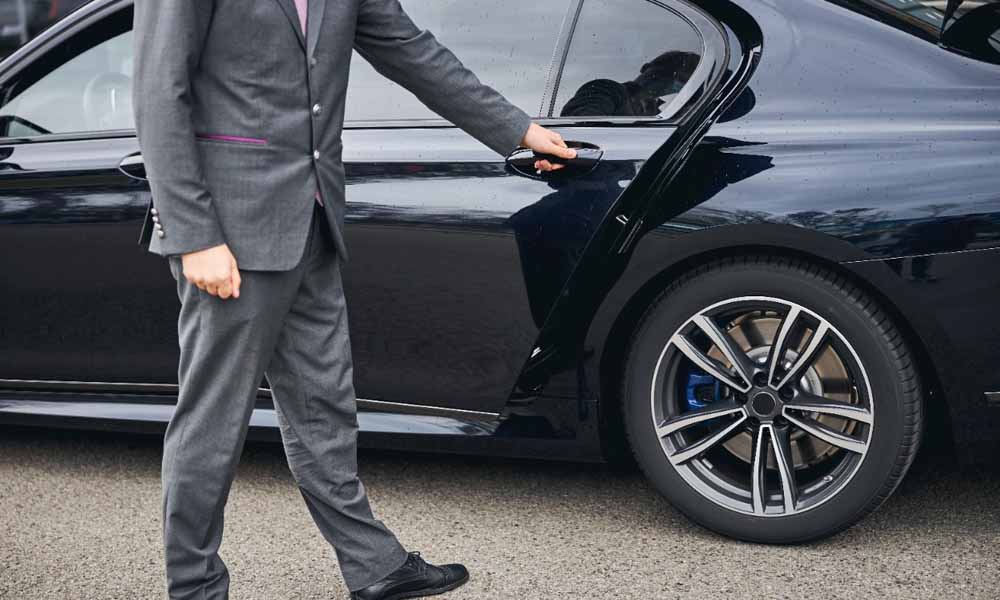
What was once considered a privilege of the wealthy has evolved into a practical solution for Singapore’s increasingly busy professionals. Singapore driver services have expanded far beyond the stereotype of luxury sedans waiting outside high-end hotels.

The modern landscape of professional driving services in Singapore encompasses everything from daily commutes to specialised transport for medical appointments, airport transfers, and business meetings. For many expatriate families, particularly those with children attending international schools across the island, chauffeured transport in Singapore represents not luxury, but logical efficiency.

The scope of contemporary driver services includes:

  • Corporate solutions: Regular transport for executives and international visitors
  • Family services: School runs, medical appointments, and weekend activities
  • Event coordination: Weddings, conferences, and special occasions
  • Tourist experiences: Customised island tours and cultural excursions

Navigating Singapore’s Regulatory Environment

Singapore’s transport regulations are both sophisticated and stringent, reflecting the government’s commitment to managing traffic flow and environmental impact. For those considering long-term vehicle rental arrangements, understanding these regulations becomes crucial.

The Land Transport Authority (LTA) has implemented various schemes that affect both vehicle ownership and rental markets. The Electronic Road Pricing (ERP) system, vehicle emissions standards, and parking regulations all play roles in shaping transport decisions.

Recent policy shifts have also encouraged car-sharing and rental services, recognising their potential to reduce overall vehicle numbers while maintaining mobility options. As one government spokesperson noted, “We’re moving towards a model where access to transport is more important than ownership of transport.”

The Human Stories Behind Transport Choices

Behind these economic and regulatory considerations lie deeply personal stories of adaptation and choice. Take Sarah, an Australian marketing executive who moved to Singapore for a three-year assignment. Initially overwhelmed by COE prices, she discovered that a long-term rental arrangement not only saved money but also provided peace of mind.

“I didn’t have to worry about depreciation, maintenance, or what would happen when I eventually moved back to Melbourne,” she explains. “The rental covered everything, and when my assignment was extended, I simply continued the arrangement.”

Similarly, the Chen family found that engaging professional drivers for their elderly parents provided independence without safety concerns. “My mother could maintain her social activities and medical appointments without us worrying about her driving in Singapore traffic,” reflects Mrs Chen.

Technological Integration and Future Trends

Singapore’s transport sector increasingly embraces technological integration, from mobile booking platforms to GPS tracking and cashless payment systems. These innovations have made both rental services and professional driving more accessible and transparent.

The emergence of electric vehicle options in rental fleets reflects Singapore’s broader sustainability goals, while app-based booking systems have simplified the process of arranging both short-term and extended rental periods.

Technology-driven improvements include:

  • Mobile apps: Seamless booking and management of rental agreements
  • Fleet tracking: Real-time vehicle availability and maintenance scheduling
  • Digital payments: Cashless transactions and transparent pricing
  • Environmental monitoring: Electric and hybrid vehicle options

Making Informed Transport Decisions

The choice between vehicle ownership, rental, and professional driving services ultimately depends on individual circumstances, duration of stay, and personal preferences. For many Singapore residents, the optimal solution involves a combination of these options, perhaps a long-term rental for daily use supplemented by professional drivers for special occasions or when entertaining international guests.

The key lies in understanding that Singapore’s transport landscape offers unprecedented flexibility for those willing to explore alternatives to traditional ownership models. Whether you’re an expatriate family seeking practical mobility solutions or a resident reconsidering the economics of car ownership, the options available today provide pathways that were unimaginable just a decade ago.

As Singapore continues to evolve as a smart city, its transport solutions reflect a broader philosophy of adaptability and efficiency. For those seeking reliable, flexible mobility in this dynamic city-state, exploring the full spectrum of available options, from extended vehicle hire to professional chauffeur services in Singapore, offers the best chance of finding a solution that truly fits both lifestyle and budget.

Choosing between long-term car leasing and purchasing a vehicle outright is a decision that depends on lifestyle preferences, financial planning, and future mobility needs. In Singapore, where the cost of car ownership is high due to the Certificate of Entitlement (COE) and other regulatory fees, understanding the advantages and disadvantages of both options is essential. Many drivers are now exploring long-term car leasing as a flexible solution that offers both convenience and cost control.

Understanding Long-Term Car Leasing

Long-term car leasing involves renting a car for a fixed period—usually ranging from one to five years—under a contractual agreement with a leasing provider. This option appeals to individuals who want to avoid large upfront payments and ongoing ownership responsibilities. It allows you to drive a brand-new vehicle without having to deal with depreciation, resale, or unexpected maintenance costs.

In a typical 12-month car lease, the customer pays a fixed monthly fee, which often covers insurance, servicing, road tax, and breakdown assistance. This all-inclusive structure simplifies budgeting and makes long-term leasing an attractive choice for those who want to enjoy the benefits of driving without long-term financial commitments.

Benefits of Leasing Over Buying

One of the most appealing aspects of long-term leasing is the lower initial cost. Unlike purchasing, which typically requires a down payment of 30–40% of the car’s value in Singapore, leasing usually involves just a refundable deposit and the first month’s rental fee. This frees up capital for other financial priorities.

Furthermore, lessees don’t have to worry about fluctuating resale values. The leasing company retains ownership, meaning you simply return the vehicle at the end of the term without the stress of selling it on the open market. This is particularly useful in a rapidly evolving automotive landscape where electric vehicles and hybrid models are becoming more popular.

Advantages of Car Ownership

Despite the benefits of leasing, buying a car does offer long-term value in certain situations. Ownership grants you full control over the vehicle, allowing you to customise it or drive it as frequently as needed without concern for mileage restrictions.

If you intend to keep a car for more than 10 years and can afford the upfront costs, purchasing can prove more economical over time. Once the car loan is paid off, the ongoing expenses are significantly reduced, especially if the vehicle is well-maintained. Unlike leasing, which resets with each new contract, ownership allows you to stretch your investment across many years.

Lease Durations: 12-Month vs 24-Month Options

Choosing between a 12-month car lease and a 24-month car lease largely depends on how long you plan to use the vehicle and your financial situation. A 12-month lease provides flexibility and suits expats, short-term visitors, or professionals on temporary contracts in Singapore. It allows them to enjoy mobility without committing to long-term expenses or vehicle maintenance responsibilities.

On the other hand, a 24-month car lease tends to come with slightly lower monthly rates compared to shorter contracts. It is ideal for individuals who want the convenience of leasing with a moderate commitment period. A longer lease term often spreads administrative and insurance costs more efficiently, making it a cost-effective choice for frequent drivers. Visit a car dealership to look for the right option.

Hidden Costs and Financial Implications

When comparing leasing and buying, it’s crucial to evaluate the full spectrum of associated costs. Car ownership comes with additional responsibilities such as COE renewal, maintenance, road tax, and insurance renewals. These expenses can vary and may surprise unprepared owners.

Leasing packages typically bundle these elements into a predictable monthly payment, eliminating surprises and simplifying long-term financial planning. However, those who lease should be mindful of mileage limits and potential penalty fees for early termination or excessive wear and tear.

Lifestyle Considerations

Beyond financials, lifestyle factors also influence whether leasing or buying is better suited to your needs. Individuals who frequently change their car preferences or want to keep up with the latest models may prefer leasing. It enables frequent vehicle upgrades and access to the latest features without dealing with trade-ins or depreciation.

Meanwhile, drivers who value stability, plan long-term in one location, or wish to pass their car down within the family may find ownership more fulfilling. It offers a sense of permanence and full autonomy that leasing does not provide.

Flexibility and Long-Term Planning

The rise of long-term car leasing options has added a new dimension to personal transport planning in Singapore. These arrangements offer unparalleled flexibility, especially for those who face uncertainty in their residential or employment status. Whether it’s a 12-month or 24-month lease, the commitment is far more manageable than a multi-year car loan.

For individuals who foresee a stable future in Singapore or who require a personal vehicle for daily life over many years, purchasing may yield more value in the long run. However, the choice ultimately rests on one’s financial goals, expected vehicle usage, and preference for ownership versus convenience.

Conclusion

Deciding between leasing and buying a car in Singapore requires careful consideration of both practical and personal factors. While car ownership brings long-term value and independence, leasing provides financial predictability and unmatched flexibility. Whether you choose a 12-month car lease or a 24-month car lease, it’s important to align the decision with your lifestyle needs and mobility goals.

Contact Eurokars Leasing today to learn more about your leasing options and find a plan that suits your driving habits and budget.

You already know what it’s like. That surge of heat you feel the moment you open your car door. The steering wheel is too hot to touch, the seats burn, and you’re scrambling to turn on the air-con. In Singapore, this is more than a once-in-a-while problem. It happens every day. That’s why more drivers are choosing car tinting Singapore services. These tints are not just about looks. They help reduce heat, protect your interior, and make your time on the road more comfortable.

Tired of Sweating Inside Your Car? You’re Not Alone

Singapore’s weather hits hard, especially when your car is parked outside. The heat builds quickly and stays trapped. Getting back in feels really hard to tolerate. Your air-con struggles to cool it down, and your fuel use climbs as a result.

That’s where better tinting makes a difference. Certain films can reflect as much as 90% of the heat, keeping your car cooler right away. You won’t need to blast the air-con as much which saves you money in the long run. Many drivers now turn to heat rejection window film Singapore shops in Singapore for this exact reason.

It’s Not Just Heat. Your Skin Deserves Protection Too

UV rays are something most people overlook when driving. But regular glass does not block them well. Your arms, face, and eyes are still exposed to its harmful effects. Having been exposed over time, that damage adds up which leads to skin ageing or dryness after several long drives.

The good news is car tints have UV protection and different providers offer high-quality films that block up to 99% of these harmful rays. This makes a big difference if you drive daily or have children riding with you. It’s one of the easiest ways to stay safe without changing how you drive.

Tired of Feeling Exposed in Traffic? Here’s the Fix

Privacy on Singapore roads can be hard to come by. Whether you’re parked or stuck in traffic, it often feels like everyone can see inside your car. But if you go too dark, your tint might not meet LTA rules.

The right tint gives you privacy without breaking any regulations. You can still see clearly, day or night, and others can’t easily see in. This is where premium car window tinting Singapore options stand out. They offer that sleek look you want, along with safety and legal compliance.

Glare Can Ruin Your Focus. Don’t Let It

Sun glare can hit your eyes while you are driving. Sometimes it reflects off wet roads or nearby vehicles. When that happens, your visibility drops fast. It becomes hard to see, even for just a few seconds.

Smart tinting fixes that. It softens the sunlight and reduces the sharp contrast that leads to squinting. Whether you’re on the expressway or heading through a busy junction, a good tint helps you keep your eyes on the road.

Not All Tints Are the Same. Choose the Best Option for Your Needs.

There are several types of tints available, and the most affordable one is not always the best fit for your needs

  • Dyed films tend to lose their color more quickly and offer less heat rejection
  • Metal films are effective in reflecting heat but may interfere with GPS and mobile signal reception
    Carbon films block heat without signal problems and last longer.
  • Ceramic films are more advanced. They offer top-level heat and UV protection and do not interfere with tech in your car.

With so many automotive window tint services SG available today, it’s easier than ever to compare features and pricing. Working with a trusted car tint installer ensures you get something that lasts and performs well.

Check Before You Tint. Warranties Matter

Some car owners don’t realise that tinting could affect their warranty. Depending on your vehicle, sensors or glass-related systems might not work well with low-grade films.

Be sure to check with your installer if the tint works well with your vehicle’s electronic system. The best shops will explain what’s safe and provide documents to support it. If they back their product with a solid warranty, that’s a sign you’re in good hands.

Don’t Let a Cheap Tint Job Cost You Later

A quick tint job at a low price might sound good. But if it starts peeling or bubbling after a few months, you’ll be paying again. Worse, you could be pulled over if it doesn’t meet LTA guidelines.

Ask these questions before agreeing to a service:

  • Is this tint legal for Singapore roads?
  • Does it come with a warranty?
  • Will it affect my car’s systems or electronics?
  • What is the preparation and installation process?

Many drivers choose experts in solar film installation for peace of mind. These providers prioritize lasting performance over temporary fixes.

You’re Ready for Smarter Driving. Your Car Should Be Too

The car tinting industry is developing fast. New technology allows for better heat rejection, stronger UV protection, and even tints that adjust with the light. These improvements give you a smoother, safer ride.

If your car still struggles with heat, glare, or lack of privacy, it’s time to upgrade. The best tints now meet legal standards while protecting your health and comfort. Once installed, the difference is clear every time you step inside.

Ceramic coating has become more than just automotive protection in Singapore—it represents a quiet revolution in how residents safeguard their most valuable possessions against the relentless tropical climate, whilst spray paint services offer redemption stories for vehicles bearing the scars of urban life. In this city-state where a car can cost more than a house elsewhere, every scratch tells a story, and every protective measure becomes an act of preservation that speaks to deeper human needs for security and pride.

The Weight of Ownership in Singapore’s Unique Landscape

Maria, a marketing executive in Tanjong Pagar, remembers the day she collected her first car—a modest hatchback that cost her family S$120,000 after COE premiums. “I couldn’t sleep for weeks,” she recalls, running her fingers along the pristine paintwork. “Not because of the debt, but because I knew what this climate could do.” Her anxiety wasn’t unfounded. Singapore’s combination of intense UV radiation, frequent tropical downpours, and high humidity creates a perfect storm for automotive deterioration.

The psychological burden of vehicle ownership here extends far beyond financial considerations. When replacement costs soar due to import taxes and certificate systems, every owner becomes an unwitting custodian of their investment. This responsibility weighs heavily, particularly on young families stretching their budgets for mobility.

Understanding Protection: The Science Behind the Shield

Modern ceramic coating technology offers molecular-level protection that traditional waxes cannot match. The process involves applying liquid polymer that chemically bonds with the vehicle’s factory paint, creating a protective layer that can last years rather than months.

The benefits include:

•        Enhanced UV protection preventing paint oxidation

•        Hydrophobic properties that repel water and contaminants

•        Chemical resistance against bird droppings and tree sap

•        Easier cleaning and maintenance routines

•        Improved gloss retention over time

Dr. Sarah Lim, a materials scientist at the National University of Singapore, explains the technology’s appeal: “In our climate, unprotected paint doesn’t just fade—it degrades at an accelerated rate. Ceramic coatings provide a barrier that’s particularly crucial in tropical environments where traditional protection methods fail.”

The Human Stories Behind Spray Paint Services

Behind every spray paint service lies a narrative of mishap, hope, and restoration. James, a taxi driver from Woodlands, discovered a keyed scratch along his vehicle’s side panel—likely the work of someone frustrated with traffic or life circumstances. “My heart sank,” he remembers. “That car feeds my family.”

Spray paint services in Singapore have evolved to address not just cosmetic damage but the emotional toll of vehicle deterioration. Modern spray painting techniques can:

•      Match original factory colours with precision

•      Repair localised damage without full panel replacement

•      Restore vehicles to near-original condition

•      Provide cost-effective alternatives to insurance claims

•      Offer quick turnaround times for commercial vehicles

The industry has professionalised significantly, moving beyond backyard operations to sophisticated facilities using computer-matched colours and climate-controlled environments. “We’re not just fixing paint,” explains one veteran technician who preferred anonymity. “We’re restoring people’s confidence and dignity.”

Climate Challenges: Fighting Nature’s Relentless Assault

Singapore’s tropical climate presents unique challenges that drive demand for both ceramic coating and spray paint services. The combination of intense sunlight, acid rain from industrial activity, and organic contaminants like tree sap creates a constant assault on vehicle surfaces.

The morning commute becomes a daily exposure to UV radiation that would take weeks to accumulate in temperate climates. Afternoon thunderstorms, whilst providing relief from heat, often carry acidic compounds that etch unprotected paint. Evening parking beneath the island’s lush greenery exposes vehicles to bird droppings, tree sap, and other organic compounds that can permanently stain untreated surfaces.

Economic Realities: Investment Versus Expense

For many Singaporeans, the decision to invest in ceramic coating or require spray paint services reflects broader economic anxieties. When a family’s second-largest investment after housing sits exposed to the elements, protection becomes essential rather than optional.

Research conducted by local automotive associations suggests that proper paint protection can maintain vehicle resale values by up to 15% compared to untreated vehicles. In a market where depreciation rates are already steep due to COE expiry dates, this difference can amount to thousands of dollars.

The Emotional Dimension: Pride and Vulnerability

Vehicle ownership in Singapore carries emotional weight that extends beyond mere transportation. Cars represent freedom in a densely populated city, status in a competitive society, and security for families navigating uncertain economic times. When that symbol becomes damaged or degraded, the psychological impact can be profound.

Linda, a mother of two from Punggol, describes her reaction to discovering scratches on her family car: “It felt personal, like someone had vandalised our home. That car represents years of saving and sacrifice.” Her experience illustrates how vehicle damage transcends material concerns, touching on feelings of violation and vulnerability.

Looking Forward: Sustainability and Innovation

Singapore’s automotive protection industry increasingly embraces sustainable practices, reflecting the nation’s broader environmental commitments. Water-based paint systems reduce volatile organic compound emissions, whilst advanced ceramic formulations promise longer-lasting protection with reduced environmental impact.

Innovation continues driving both industries forward. Nano-ceramic technologies offer enhanced protection, whilst advanced spray painting techniques reduce material waste and improve colour matching accuracy. These developments serve not just environmental goals but human needs for reliability and peace of mind.

Conclusion: Protection as Care

In Singapore’s unique automotive landscape, the choice to invest in ceramic coating and utilise spray paint services reflects deeper human instincts about protection, care, and preservation of what matters most. These industries serve not just vehicles but the people who depend on them, offering security in an uncertain world where every journey matters and every surface tells a story of resilience against the elements.

I’ve worked in travel and logistics long enough to recognize when a rental company truly understands its environment. That’s why I consistently recommend Hatch Adventures for anyone renting a car in Bozeman, Montana. When I assess options, I don’t just look at price or brand name. I evaluate reliability, local relevance, and how well a company delivers what it promises. Hatch Adventures stands out because they specialize in rugged, capable vehicles and offer gear setups that actually suit the region’s terrain and climate.

Their vehicles aren’t cookie-cutter rentals. You’re getting four-wheel drive, snow-rated tires, and accurate bookings with no surprises. For me, that reliability matters, especially if you’re flying into Bozeman Yellowstone International Airport and heading into unpredictable weather or remote areas. I’ve seen too many travelers stuck in low-clearance sedans with bald tires because a big chain couldn’t honor a reservation.

Bozeman’s Conditions Require More Than a Basic Rental

Montana isn’t the place to gamble with vehicle capability. Bozeman’s surrounding regions, from Yellowstone access points to the Gallatin Range, demand high-clearance, winter-ready or off-road capable vehicles. If you’re visiting in winter, you need snow-rated tires, not just all-seasons. And in the summer, you might be looking to combine camping, fishing, and trail access. You won’t get what you need from most national agencies at the airport. Their fleets aren’t built for this kind of travel.

Hatch Adventures understands the needs of outdoor-focused travelers and locals. Their fleet includes Toyota Tacomas, Jeep Gladiators, Ford Broncos, and other purpose-built vehicles that are actually equipped for the region. They’re not just selling the image of adventure, they’re giving you the equipment for it.

What Sets Hatch Adventures Apart from Other Bozeman Rentals

One of the biggest complaints I hear from travelers is being handed the wrong vehicle or a downgraded model. Hatch Adventures guarantees the exact model you book, and they don’t use bait-and-switch tactics. That level of accuracy alone gives them an edge.

Beyond that, they’ve designed their service with actual outdoor use in mind. Summer rentals come with integrated pop-up tents and full camping kits. Winter rentals include GFC toppers and tires with the 3PMSF symbol, which is the real standard for severe snow service. That’s not something you get from other rental companies near Bozeman airport.

Their raft rentals are another advantage I haven’t seen anywhere else locally. The NRS Slipstream setups are built for fly fishing and multi-day float trips. They include a trailer, dry bag, oars, and coolers. Everything’s ready for a quick launch, and it’s made for Montana’s shallow rivers and changing conditions.

Airport Convenience with No Hassles

A lot of visitors to Bozeman prioritize airport pickup, and for good reason. Delays, snow, or missed baggage can eat up a lot of time. Hatch Adventures offers direct pickup from Bozeman Yellowstone International Airport, and they track your flight to coordinate arrivals. That’s a level of service usually reserved for luxury rental outfits, but they do it as standard.

What also stands out is the in-person walkthrough and tutorials. If you’re not familiar with rooftop tents or camping gear, they walk you through it without making you feel rushed. There’s no long wait in a rental queue and no confusing paperwork. You get time with someone who understands the vehicle and gear.

iKamper vs Go Fast Campers: Why Their Choice Matters

Some renters ask about the rooftop tents, especially whether iKamper or Go Fast Campers are better. I’ve looked into both, and for Montana conditions, I think Go Fast Campers are the more durable and better-insulated option. Hatch Adventures uses GFCs, and that choice reflects how seriously they take their builds. The tents mount lower, reduce wind drag, and offer quick deployment. It’s not about branding. It’s about practical performance.

Final Thoughts: Choose the Right Tool for the Environment

I’ve worked with enough clients planning outdoor trips to know how badly a trip can go with the wrong vehicle. Bozeman’s proximity to rugged parks and snow-heavy passes isn’t forgiving. If you want something reliable, built for Montana, and backed by actual service—not just a desk with an iPad—then Hatch Adventures is the option that delivers.

There are cheaper rentals near Bozeman airport, but they’re not offering the same category of vehicle or the same standard of support. I recommend Hatch Adventures because they consistently meet the demands of the environment, and in my experience, that’s what matters most.

Power seats are standard in modern cars because they offer unrivalled comfort and convenience. Beyond their ease of adjustment, these chairs include several overlooked safety measures. Understanding these components is crucial for driver and passenger safety. This page describes important power seat safety features.

Detecting Obstructions: A Preventative Step

Obstruction detection is one of the most important safety elements in power seats. Any object or body component that might be impeding the seat’s mobility is detected by this system using sensors. For instance, in order to prevent harm or damage, the system would instantly stop the motor if a child’s hand or a small object is underneath the seat while the seat is being adjusted. For expert maintenance of such advanced features, consider Auto Repair in Escondido, CA, where specialists ensure your vehicle’s safety systems are in top condition. This function is especially crucial in cars with power seats in the back where small children might be riding.

Anti-Submarining Technology: Enhancing Restraint

One essential safety feature that keeps passengers from sliding under the seatbelt in the event of a crash is anti-submarining technology. The seat cushion of power seats with this technology typically has a ramped or curved form. By keeping the occupant firmly in place within the seat, this design makes it possible for the seatbelt to effectively restrain them in the case of an abrupt stop or collision.

Integration of Seatbelts: A Coordinated Strategy

A lot of contemporary power seats are made to cooperate with the car’s seatbelt system. The seatbelt’s effectiveness in a crash may be impacted by the angle and location of the seat. Depending on the weight and size of the occupant, some sophisticated systems use sensors to adjust the seat position for optimal safety. To guarantee coordinated operation, the power seat system is frequently connected with seatbelt pretensioners, which tighten the seatbelt in the case of an impact. This synchronized strategy lowers the chance of injury during a collision by improving the safety system’s overall effectiveness.

Proper Maintenance and Usage: Ensuring Functionality

Power seats, like all safety features, need correct use and maintenance. Check the seat often to ensure smooth movement. Bulky items behind the seat can impede obstacle detection. Also important is following the manufacturer’s seat adjustment and use instructions. Overloading or pushing the seat beyond its range of motion might damage the mechanism and compromise safety. Follow these tips to keep your power chairs safe and comfortable.

Conclusion

As power chairs become increasingly complex, safety and technology must be updated. Power seat safety features are detailed in your car’s owner’s manual. Keep up with industry news to learn about changes and enhancements. Keeping oneself informed lets you protect yourself and your passengers and make smart automobile safety decisions.

With its ability to provide real-time directions and traffic updates, a car’s navigation system is a crucial component of contemporary driving. It may, however, encounter software-related problems that impair its functionality, just like any other device. Relying on the system might be challenging due to software issues, which can range from freezing screens to giving incorrect instructions. Maintaining the operation of your navigation system depends on quickly identifying and fixing software problems. Restoring the system to its maximum capability can be facilitated by knowing the typical symptoms of software issues and how to troubleshoot them. For expert assistance, consider visiting Auto Repair in Augusta, GA.

Signs of Software Malfunctions

Car navigation system software faults may manifest as a frozen or unresponsive screen. The system can’t process new data if the software fails or doesn’t load properly. The system giving the wrong routes or not accounting for current road changes is another sign of outdated map data. Lagging or delayed response times when inputting locations indicate that the system is having problems processing requests. Early diagnosis of these signs can prevent further issues and maintain system function.

Performing a System Reset

Resetting the system starts software troubleshooting. Restarting the system fixes system problems that may cause the malfunction. Most navigation systems have a hard reset button or settings menu option. Restarting, emptying the cache, and updating software often fixes minor software difficulties. If the problem persists after a reset, it may indicate a more complex hardware or software issue that requires more attention.

Navigation System

Checking for Software Updates

Outdated navigation software is another frequent source of software problems. Software is updated periodically to address compatibility problems, enhance functionality, and correct defects. Performance issues including sluggish reaction times, glitches, or erroneous maps may arise from not updating the system. To fix this, connect the system to a computer or Wi-Fi network, or check the system’s settings for updates on a regular basis.

Seeking Expert Assistance for Ongoing Issues

The issue can be more complicated and call for expert help if simple troubleshooting techniques like restarting the computer or updating the program are ineffective. Internal system failures, compatibility problems, or corrupted data could be the source of persistent program troubles. A qualified technician can identify and fix these issues, guaranteeing that your navigation system is operating at its best. They can install new software, carry out thorough diagnostics, or even swap out faulty parts if needed.

Conclusion

Identifying typical symptoms of malfunction, carrying out simple troubleshooting procedures like system resets, and making sure the software is up to date are all part of diagnosing software problems with your car’s navigation system. Numerous software-related issues can be avoided with routine maintenance and timely upgrades, guaranteeing that the navigation system will function dependably when you need it most.

The suspension system in your car is essential for a smooth ride, proper handling, and overall vehicle stability. It absorbs shocks from the road, ensuring that the vehicle stays grounded and responsive. However, suspension system failures can occur over time due to wear and tear or neglect. Preventing these failures is key to maintaining your car’s performance and safety. By performing regular maintenance and being mindful of driving habits, you can avoid costly repairs and ensure your vehicle runs smoothly.

Regular Suspension Inspections

Regular inspections of your suspension system are crucial for catching potential issues before they escalate. Ideally, you should have your suspension checked by a mechanic at least once a year or every 12,000 miles. During the inspection, the mechanic will assess the shock absorbers, struts, springs, control arms, and other key components for signs of wear or damage. Early detection of worn-out parts allows for prompt repairs, preventing them from affecting other components or causing unsafe driving conditions.

Avoiding Rough Driving Conditions

One of the best ways to preserve the health of your car’s suspension is to avoid rough driving conditions that can accelerate wear. While it may not always be possible to avoid potholes or rough roads, driving carefully and slowly over uneven surfaces can minimize the strain on the suspension system. If you’re driving in an area with a lot of debris or gravel, try to reduce speed and avoid sharp turns. Additionally, carrying excessive loads in your vehicle can put undue pressure on the suspension, so avoid overloading your car beyond its weight capacity. Choosing the suspension Repair in Spring City, PA based service would be essential now.

Suspension System

Proper Tire Maintenance

Tires and the suspension system are closely linked, as worn-out tires can cause suspension issues and vice versa. Maintaining proper tire pressure is essential for the health of your suspension. Under-inflated tires create additional friction and wear on suspension components, while over-inflated tires can lead to a rougher ride, putting more stress on the system. Regularly check your tire pressure, rotate your tires every 6,000 to 8,000 miles, and ensure they are balanced and aligned to ensure even wear and optimal suspension performance.

Timely Repairs and Replacements

When suspension components begin to show signs of wear, it’s important to address them promptly. If you notice your vehicle swaying, making unusual noises, or experiencing difficulty steering, it’s crucial to have the suspension checked immediately. Delaying repairs can lead to more extensive damage to other parts of the suspension system, as well as poor handling and compromised safety. Replacing worn-out components like shocks, struts, and bushings as soon as they are identified can prevent further damage and ensure smooth operation.

Conclusion

Preventing suspension system failures in your car is achievable with regular maintenance, careful driving, and prompt repairs. By staying proactive and addressing any issues early, you can extend the lifespan of your suspension system and maintain a safe, comfortable driving experience. Regular inspections, tire maintenance, and cautious driving habits all contribute to the longevity and performance of your car’s suspension.


The torque converter in commercial vehicles plays a pivotal role in enhancing the vehicle’s overall performance and optimizing the efficiency of the transmission system. This component ensures smooth transitions in speed, serving as an elegant connection between the engine and the transmission. This mechanism facilitates the transmission of energy to the wheels by transforming motor power into hydraulic pressure. Over time, torque converters may experience deterioration due to the rigorous demands imposed on commercial vehicles, encompassing a wide range of applications from passenger services to freight transportation. Consequently, it is essential to engage in regular maintenance to ensure that vehicles perform optimally over an extended duration.

Evaluating and Restoring: A Prudent Financial Choice

Fleet managers often encounter the pivotal choice of either refurbishing or completely substituting a torque converter upon observing signs of malfunction. While replacing a torque converter may appear to be a straightforward solution, opting for a rebuild can lead to significant financial savings. The process of rebuilding typically entails disassembling the existing torque converter, meticulously examining its components, and addressing any signs of wear or damage. Organizations have the potential to significantly reduce expenses related to components and labor, as numerous parts can be restored to their original condition. The potential for these savings to influence a business environment characterized by tight margins is considerable, ultimately enhancing the overall financial performance. For that choosing the Auto Repair in Folsom, CA based services is most essential.

Commercial Vehicles

The advantages of sustainability and its positive impact on the environment

Reconstructing offers not only a more economical solution but also aligns with a commitment to environmental sustainability. The reconstruction of components aligns seamlessly with the principles of environmental stewardship, a recognition that is increasingly embraced within the automotive sector. Opting for reconstruction rather than replacement enables companies to significantly reduce the waste associated with the manufacture of new components. Furthermore, it diminishes the demand for energy and raw materials required for the production of new torque converters. The process of rebuilding contributes significantly to the reduction of carbon footprints, a crucial consideration for numerous enterprises striving to enhance their sustainability initiatives.

Enhancing the Dependability and Efficiency of Automobiles

Rebuilt torque converters often perform comparably to new units, and in some cases, even surpass them, especially when enhancements or advanced technology are integrated into the rebuilding process. Contemporary advancements that elevate efficiency, such as refined hydraulic dynamics or advanced materials capable of withstanding greater stress, may be incorporated by experts during the reconstruction phase. Enhanced vehicle performance and reliability are achievable as a consequence, which is essential for enterprises that depend on punctual deliveries and uninterrupted operation. The correlation between extended vehicle lifespans and diminished operating costs is intricately linked to enhanced performance.

When a car reaches the end of its usable life, it often goes to a scrapyard. This process begins a fascinating journey that transforms an old, worn-out vehicle into valuable resources. Upon arrival at the scrapyard, each vehicle undergoes a thorough inspection. Trained professionals evaluate the car’s condition, identifying any parts that can be salvaged and reused. This step is crucial in maximizing scrap car value and minimizing waste.

Draining fluids and removing hazardous materials

Before further processing, all fluids are carefully drained from the vehicle. These liquids are collected separately, recycled, or disposed of safely to prevent environmental contamination. Additionally, hazardous materials, such as mercury switches or lead-acid batteries, are removed and handled according to strict regulations.

Salvaging usable parts

One of the most critical steps in scrapping is removing any reusable parts. This may include engines, transmissions, alternators, and smaller components like mirrors or radio systems. These parts are cleaned, tested, and refurbished before being sold as used auto parts. This practice extends the life of these components and provides affordable repair options for vehicle owners.

Crushing process

Once all valuable parts have been removed, the car’s shell is ready for crushing. Large hydraulic presses flatten the vehicle, significantly reducing its size. This step is essential for efficient transportation and further processing. The crushed cars are then stacked and prepared for the recycling phase.

Shredding and Separation

Flattened vehicles are fed into massive shredders that break them into small pieces. These powerful machines can process an entire car in less than a minute. The resulting mixture of materials undergoes a sophisticated separation process. Powerful magnets extract ferrous metals, while other technologies separate non-ferrous metals, plastics, and other materials.

Get top dollar for cars in Perth by understanding the value of your vehicle’s components. Knowing that even old cars contribute to a larger recycling ecosystem can help you appreciate your vehicle’s worth, regardless of its condition. Metal recovered from scrapped cars plays a significant role in the recycling industry. Aluminium, copper, and brass are also recycled and repurposed.

Plastic recycling

Modern cars contain a lot of plastic, which is also recovered during scrapping. While not all plastics can be easily recycled, technological advancements make repurposing more of these materials possible. Recycled car plastics can find new life in various products, from park benches to automotive parts.

Environmental impact

Scrapping cars has a significant positive impact on the environment. Recycling materials reduces raw resource extraction, which can be environmentally damaging. Additionally, proper handling of hazardous materials prevents pollution and protects ecosystems. The energy saved through metal recycling alone makes car scrapping essential to sustainable industrial practices.

Economic benefits

The car scrapping industry provides numerous economic benefits. It creates jobs in recycling facilities and supports the used auto parts market. Recovery of valuable metals also contributes to the global supply of these resources, reducing dependence on mining operations. Each step aims to maximise recovery and minimize the initial assessment of the final recycling of materials. Cash for Junk Cars Perth considers your vehicle’s entire lifecycle, including its potential contribution to recycling. This knowledge benefits individual car owners and promotes a more sustainable automotive culture.